
Choosing Between Gemstone Size and Quality
Is it better to choose a larger gemstone or a better one? For most colored gemstones, color quality has the biggest effect on beauty, so many buyers pick the best color and cut they can afford and then choose the largest stone that meets that standard. Size becomes the priority for statement pieces, for gems that look best in larger sizes, or simply because you love the look. Remember that carat measures weight, not dimensions, so compare millimeters as well as carats.
How Gemstone Value Works
For most colored gemstones, value is shaped by several factors:
- Color, usually the most important, including hue, tone, and saturation.
- Clarity, meaning the presence and visibility of inclusions.
- Cut, which affects brightness, color display, and proportions.
- Carat weight, the stone’s mass.
- Treatment and origin, which can also influence value significantly for some gems.
These factors interact. A large stone with poor color will not usually command the same price per carat as a smaller stone with exceptional color.
Price Per Carat Rises With Size
For many gems, price per carat increases as size increases, because large, high-quality rough is rarer. This means a 2-carat stone of a given quality typically costs more than twice as much as a 1-carat stone of the same quality. The increase varies by gem type and quality, and some gems, such as amethyst or citrine, are widely available in large sizes at more modest prices.
Carat Weight Is Not the Same as Size
Carat measures weight, not dimensions, and gemstones differ in density, so the same carat weight can look very different. Corundum (sapphire and ruby) is dense, while emerald, aquamarine and amethyst are lighter and look larger per carat. Cut proportions matter too: a deep, heavy stone may weigh more yet look smaller face-up than a well-proportioned stone of lower weight.
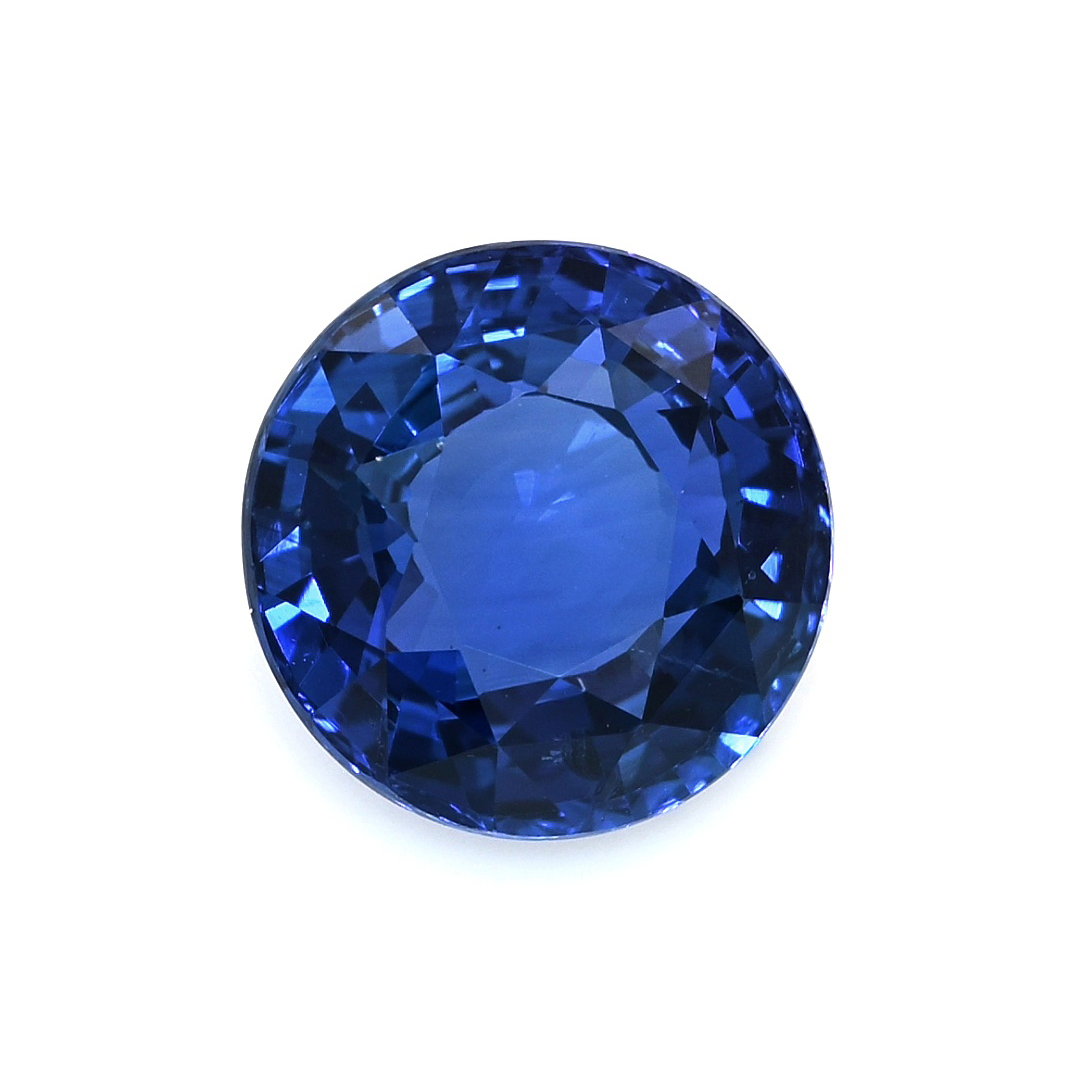
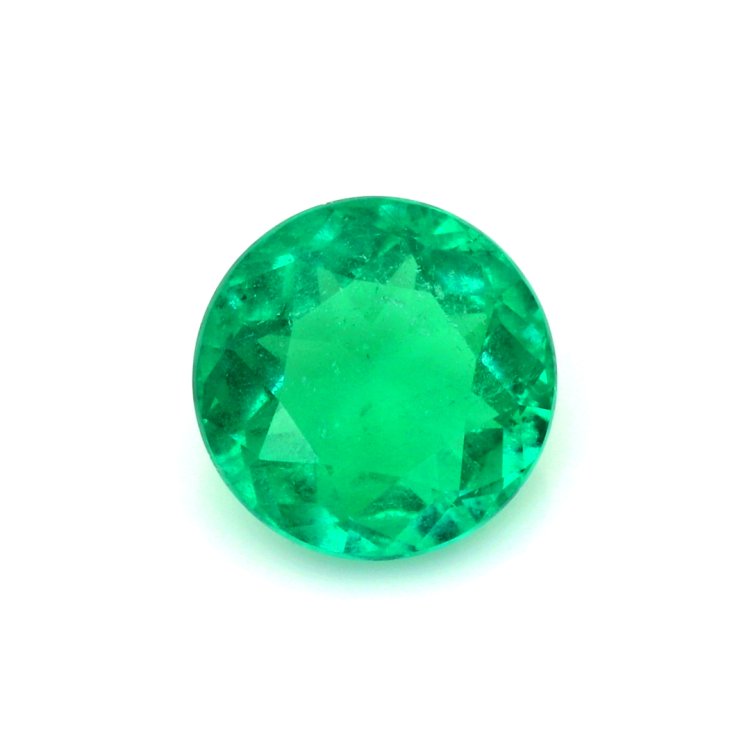
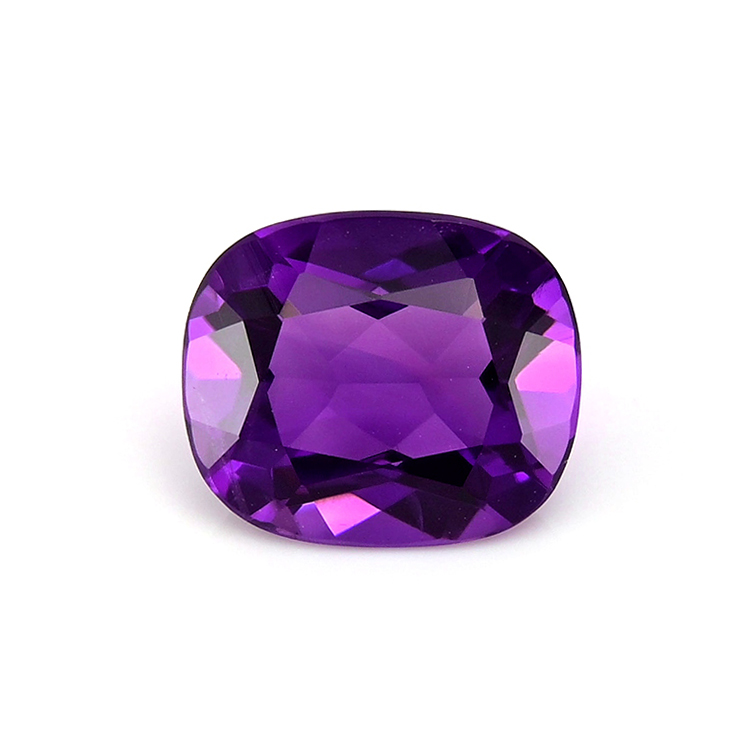
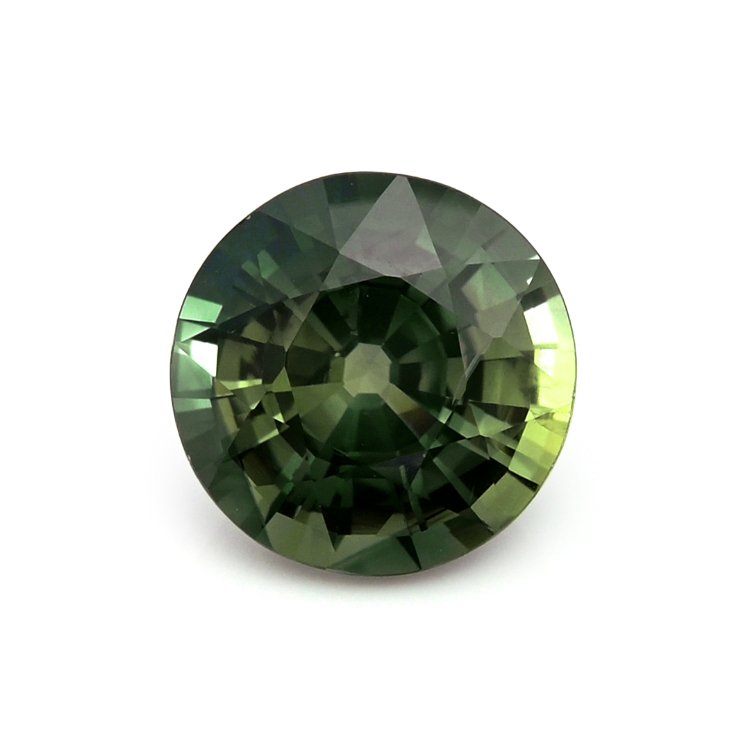
Real stones show it clearly. The 4.32 ct Ceylon blue sapphire S23917 measures 9.43 × 9.31 mm, and the 2.71 ct Colombian emerald S5007 measures 9.43 × 9.40 mm, so two round stones of the same face-up size differ by about 1.6 carats. At 4.42 carats, the Brazilian amethyst K2250 (a cushion) measures 12.01 × 10.13 mm, while the Madagascar sapphire S13396 (a round) measures 9.97 × 9.89 mm. Shape plays a part in that second pair, but the amethyst clearly covers more area for the same weight. Always compare millimeters before comparing carats.
When Quality Should Come First
If Color Is Your Priority
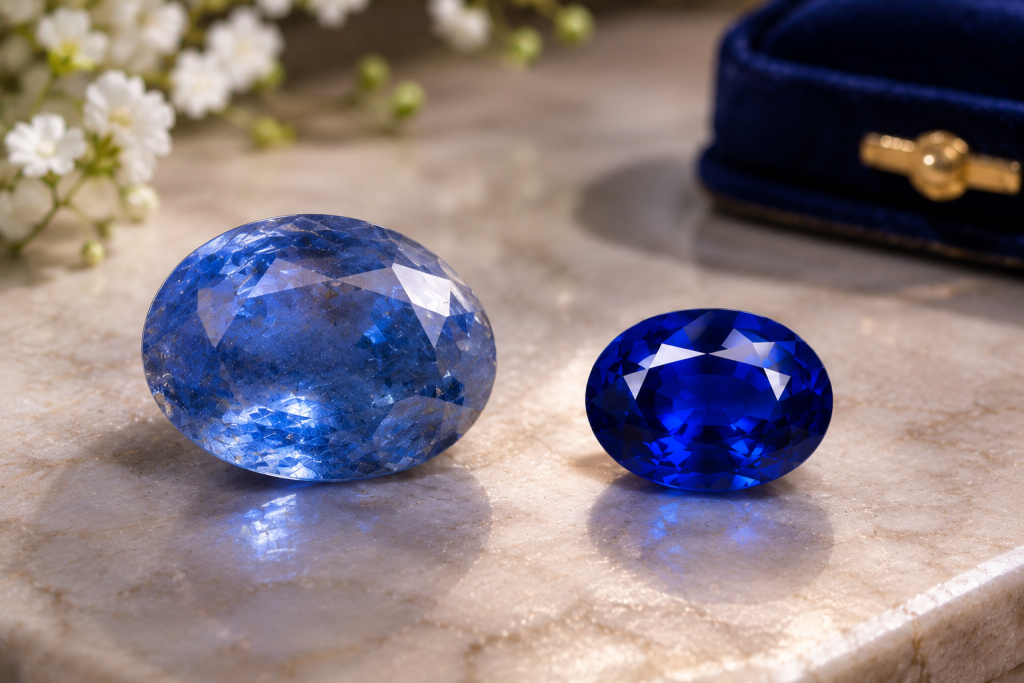
For colored gemstones, color quality has the greatest influence on beauty. A vivid, saturated color often makes a smaller stone look more striking than a larger stone with weak or dull color.
An example is the 1.56 ct Ceylon blue sapphire S11898: at 7.06 mm it is a modest size, yet it is listed as Vivid blue and Eye Clean, and the strong color is what you notice first. Our team can help you compare it with larger, paler options.
If the Stone Will Be Worn Every Day
Durability matters for daily wear. A stone with significant surface-reaching fractures may be more vulnerable, regardless of size. Prioritizing clarity and good structure can make sense for engagement rings and everyday pieces.
If Long-Term Value Matters to You
Higher-quality gemstones are typically more sought after than lower-quality stones, and fine color tends to remain desirable. Gemstones should be bought for enjoyment rather than as an investment, but quality generally holds its appeal.
When Size Might Come First
Statement Pieces
For cocktail rings or pendants meant to be seen from a distance, size and presence can matter more. Minor inclusions or slightly lighter color may be less noticeable in a bold design.
Gems With Naturally Lighter Colors
Some gems, such as aquamarine and morganite, often show deeper color in larger sizes because the light travels through more material. In these cases, a larger stone may display better color than a smaller one of similar material.
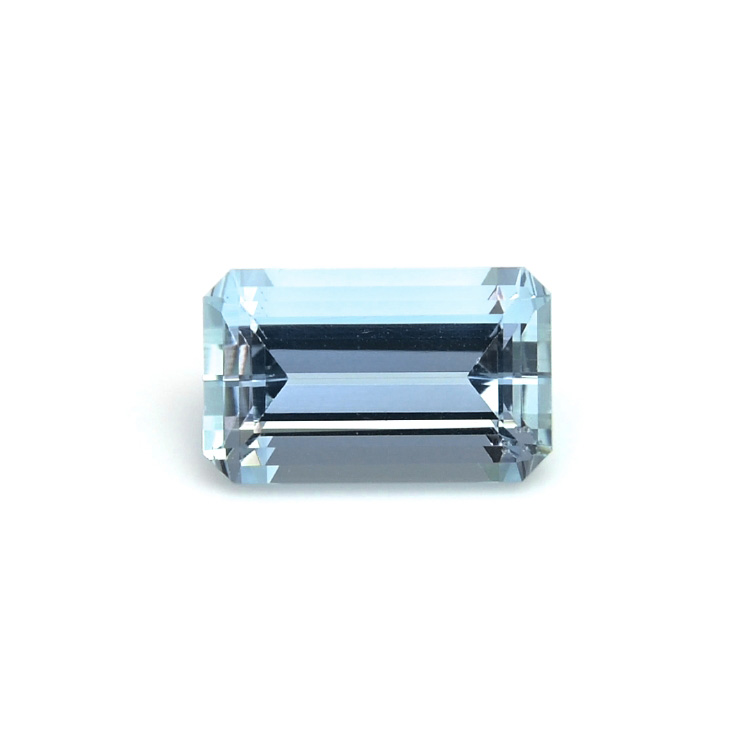
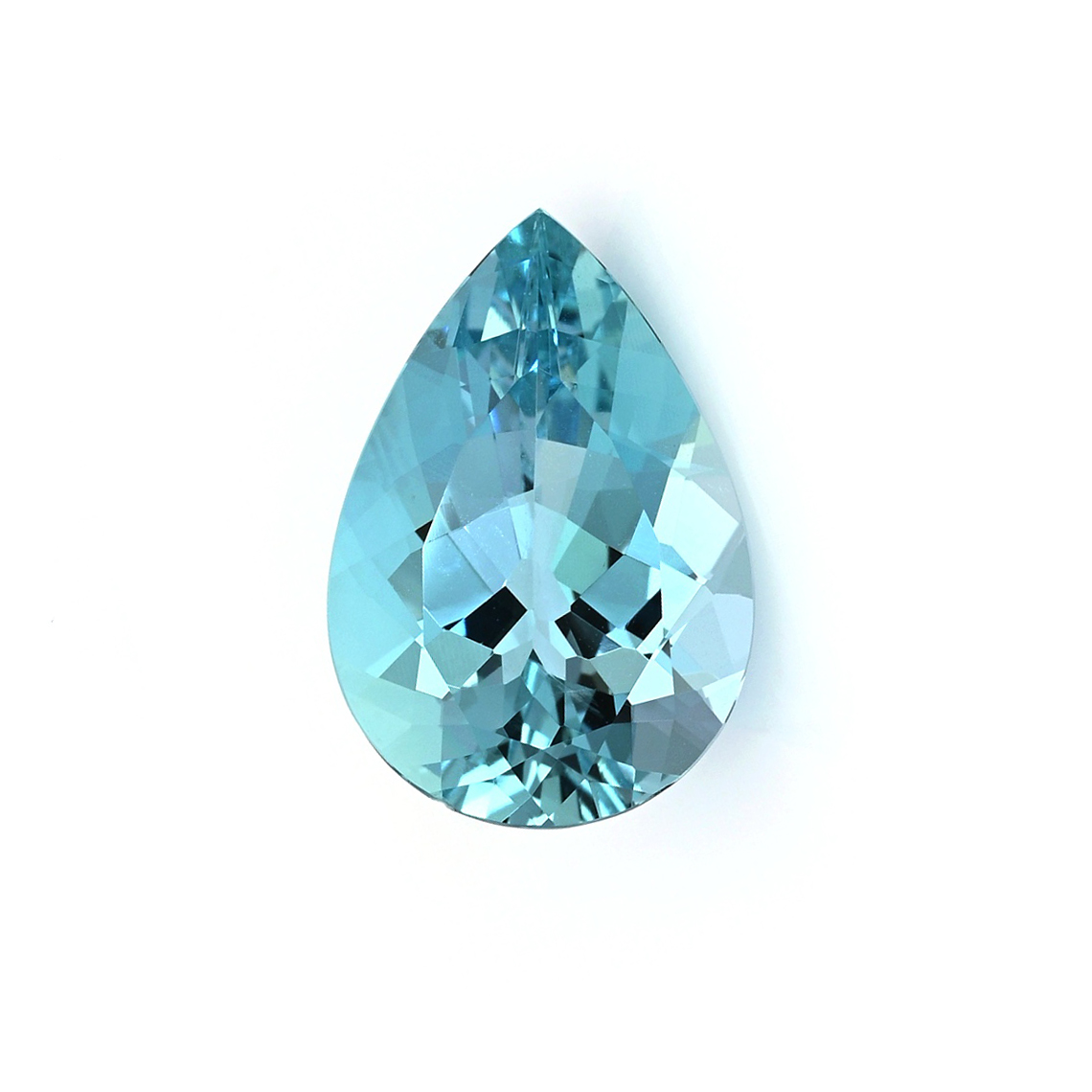
Our aquamarines show this. The 1.11 ct Mozambique aquamarine K10572 is listed as Light blue, while the 7.48 ct Brazilian aquamarine K11417 is listed as Intense blue. Both are heat treated, and they come from different origins, so size is not the only difference, but it illustrates why a larger aquamarine can show deeper color than a small one.
Personal Preference
Some people simply love the look of a larger stone. That is a perfectly valid reason to prioritize size, as long as the stone still looks attractive to you.
Big Stones in Hand: Handheld Videos
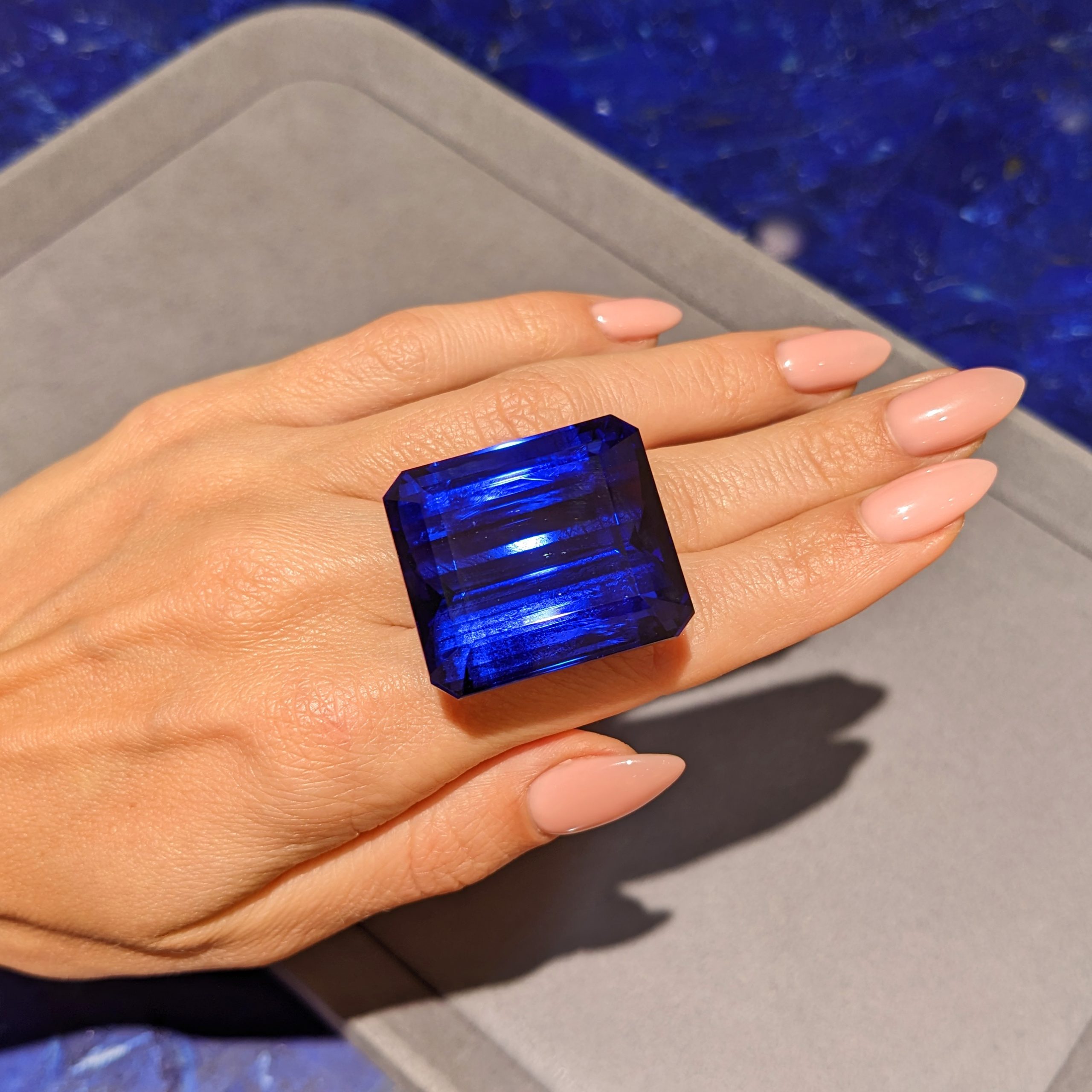
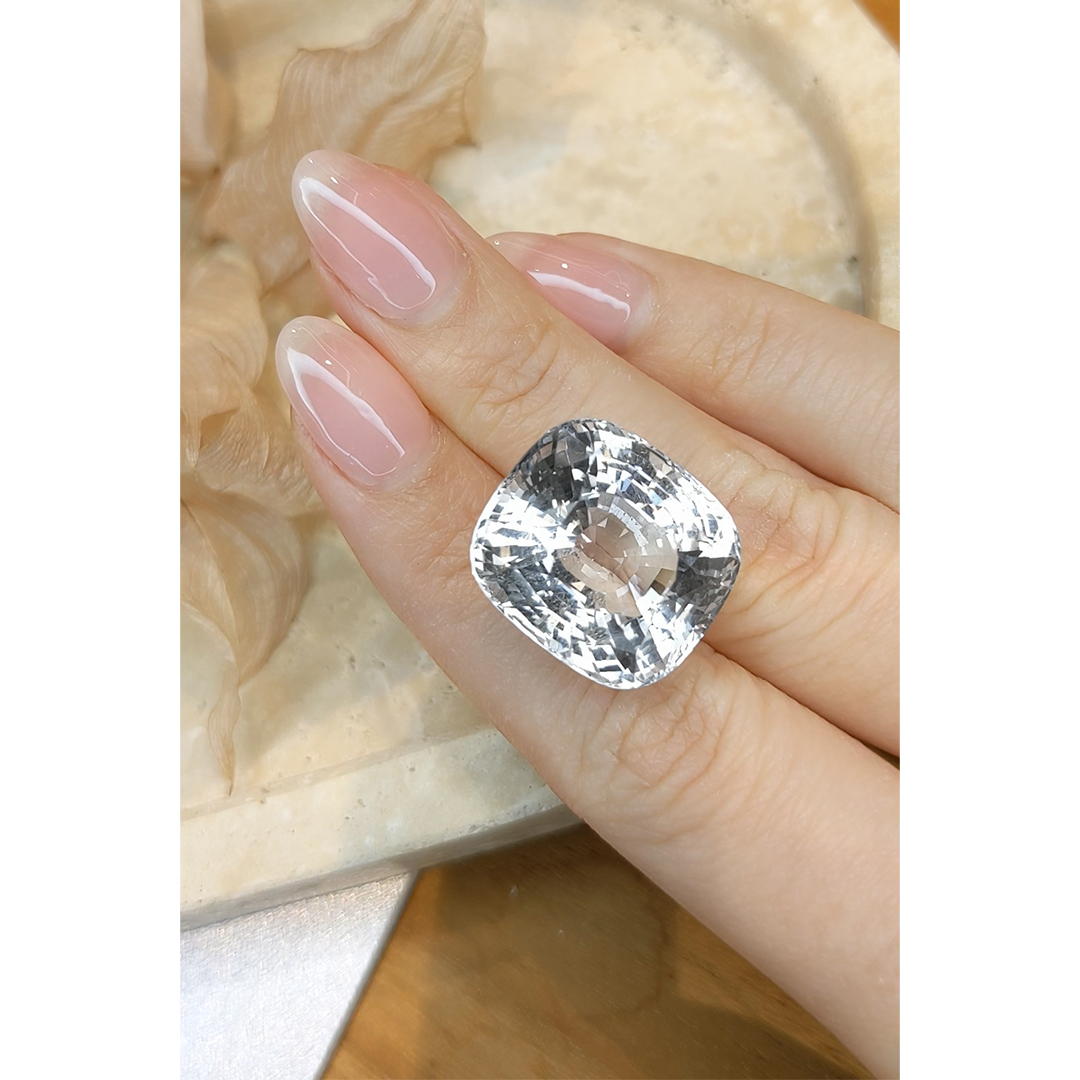
Carat weight is easiest to judge when you see a stone against a hand. These three are among the largest stones in our listings.
Finding the Sweet Spot
Many buyers find their best balance by setting minimum standards for quality and then choosing the largest stone that meets them within their budget.
Consider “Just Under” Sizes
Prices sometimes step up at popular weights, such as 1 carat or 2 carats. Stones just under these weights may cost noticeably less while looking almost identical.
Choose Eye-Clean, Not Flawless
For most colored gems, look for a stone that appears clean to the unaided eye rather than one that is flawless under magnification. This can free up budget for better color or size.
Prioritize Cut
A well-cut stone shows its color and brightness to full advantage. Avoid stones with large windows (washed-out centers) or excessive dark areas, even if they are larger.
Explore Alternative Gems
If a particular gem is beyond your budget in the size you want, consider alternatives with similar colors. For example, spinel, tourmaline, or garnet may offer beautiful color at different price points.
Size in Context: Our Highest-Priced Stones
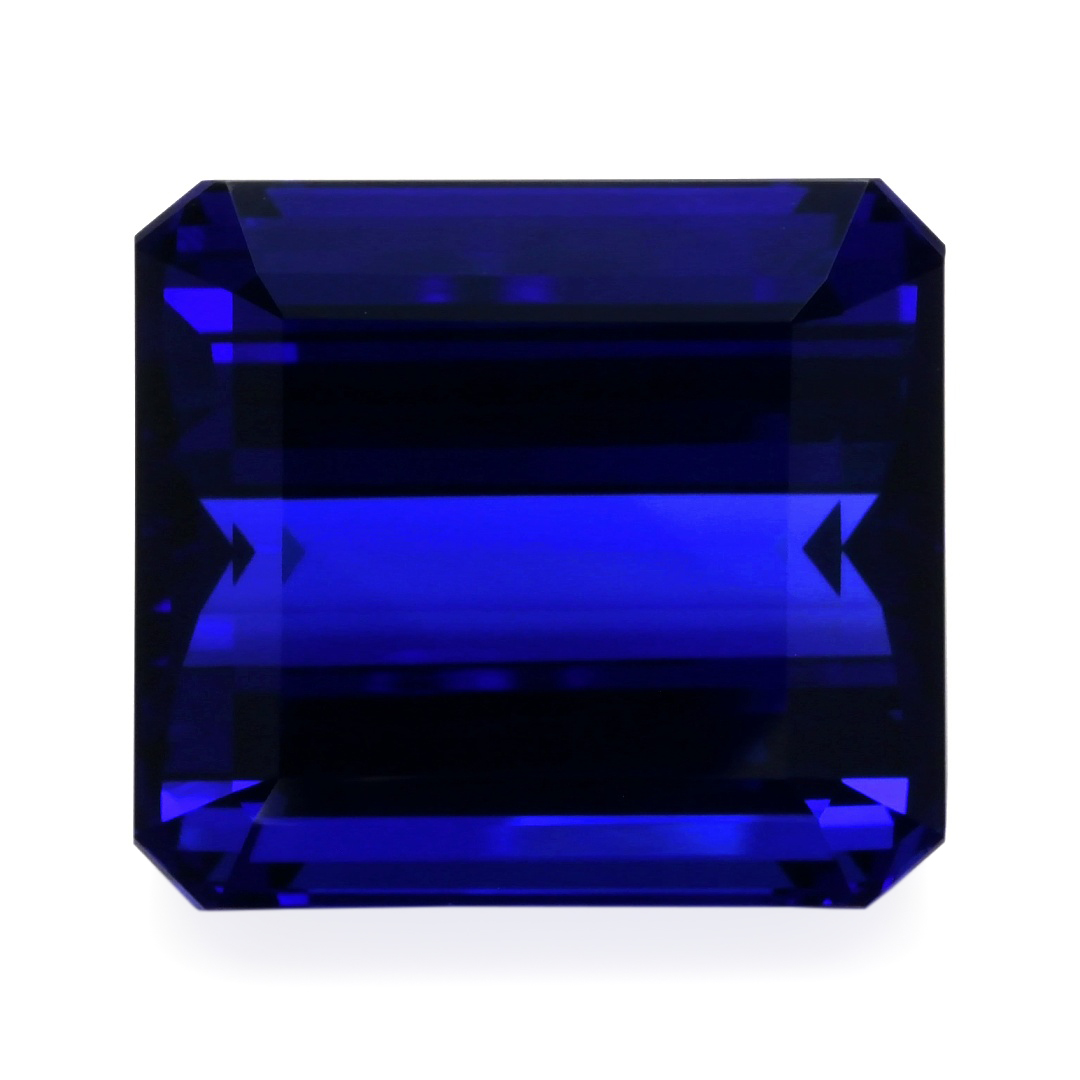
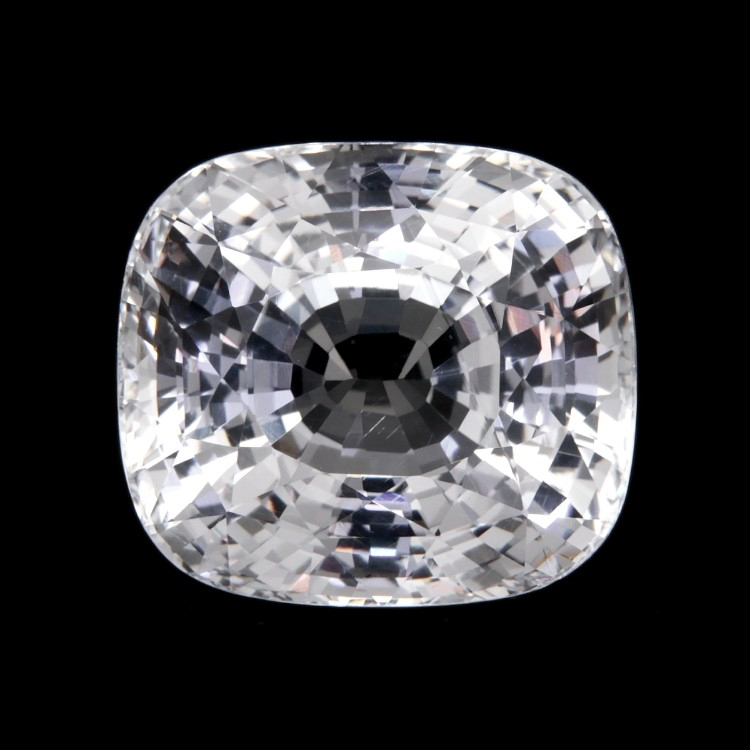
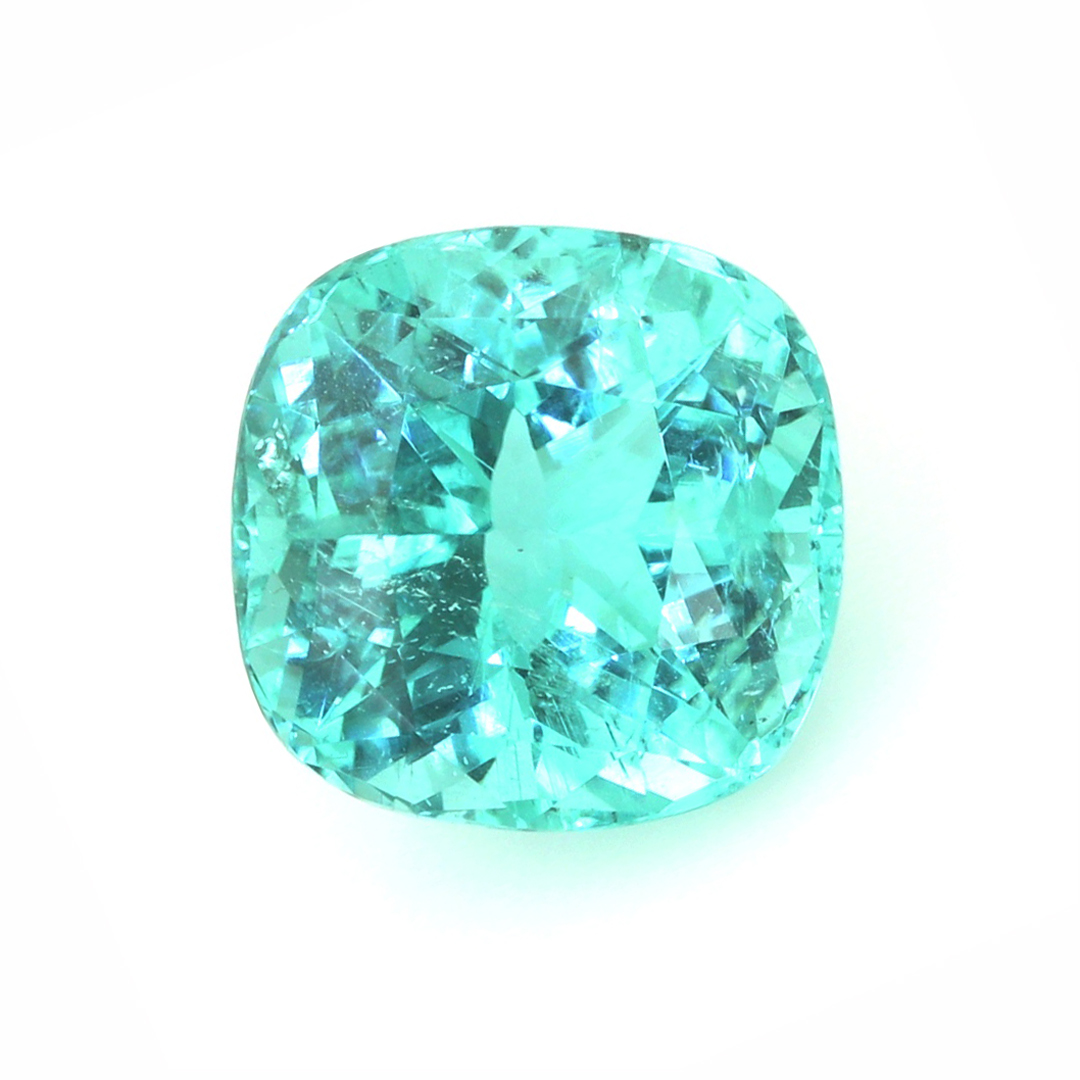
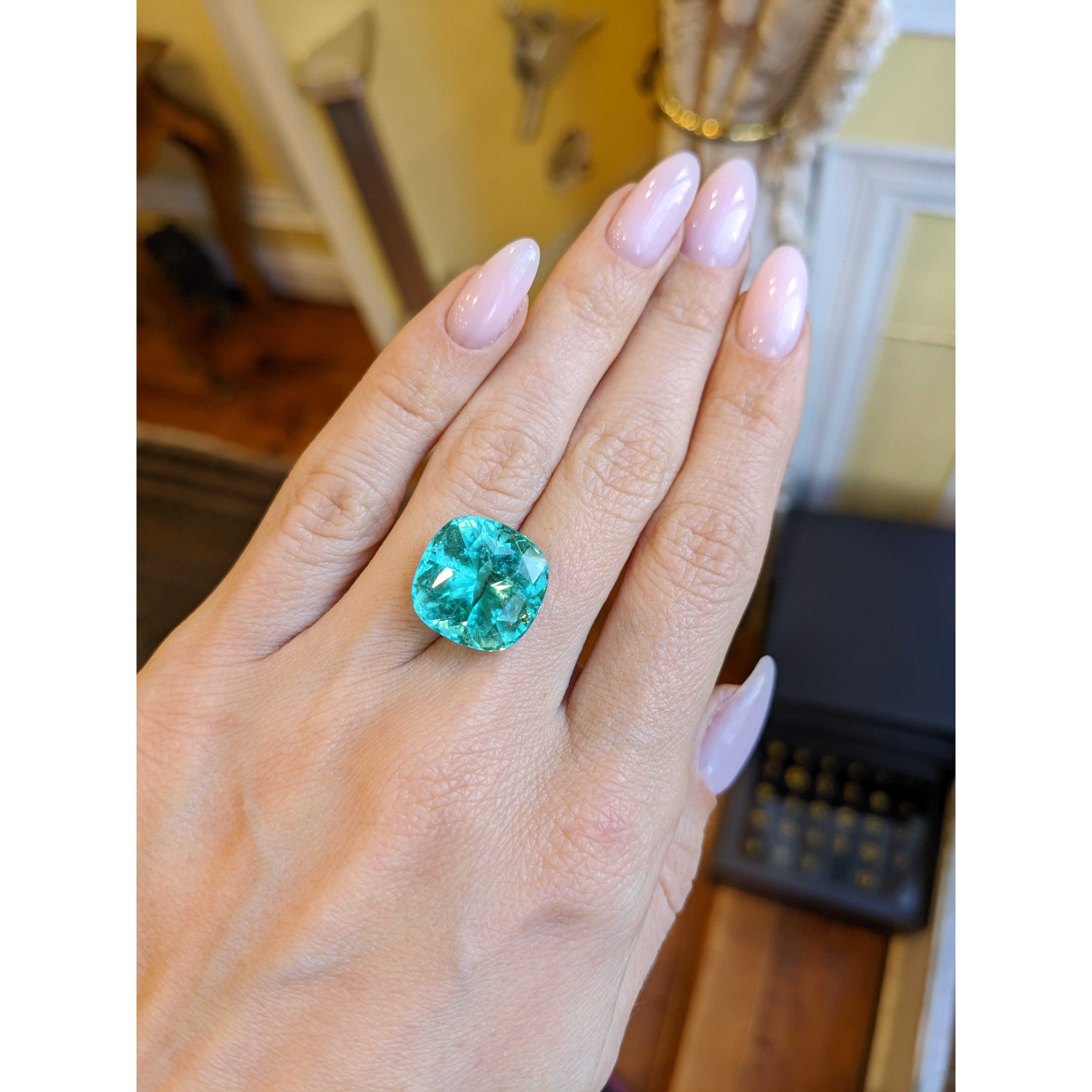
Three of our highest-priced stones are also among our largest: a 159.41 ct tanzanite, a 38.08 ct jeremejevite and a 14.45 ct Paraiba tourmaline. Photos on white and on the hand help show how carat weight translates to size. Use the links for current details.
How the Setting Can Help
Design choices can make a gem look larger or smaller, from halos and thin prongs to elongated shapes, and we cover them in How Settings Change Gemstone Appearance.
Frequently Asked Questions
Is it better to buy a bigger gemstone or a better one?
It depends on your priorities. For colored gems, color quality usually has the greatest impact on beauty. Many people choose the best color they can afford, then the largest size within that budget.
Why does a 1-carat emerald look bigger than a 1-carat sapphire?
Emerald is less dense than sapphire, so the same weight takes up more volume and appears larger.
Do larger gemstones always have better color?
Not always. Larger stones can show deeper color in pale gems, but in darker gems, larger size can make a stone look too dark.
What is the most important quality factor for colored gems?
For most colored gemstones, color is considered the most important factor, followed by clarity, cut, and carat weight.
How can I compare gemstone sizes fairly?
Use the millimeter measurements, not only carat weight. For example, K2250 and S13396 both weigh 4.42 carats, yet the amethyst measures 12.01 × 10.13 mm and the round sapphire 9.97 × 9.89 mm.
Conclusion
Choosing between gemstone size and quality is a personal balance. Color usually matters most for colored stones, durability matters for daily wear, and size can make a statement. By understanding how these factors interact, and by comparing stones in person or through detailed photos and videos, you can find a gem that looks beautiful and fits your life.
If you would like help weighing size and quality for a particular gemstone, our team at The Natural Gemstone Company would be glad to guide you. Explore our collection at naturalgemstones.com.