
The Hidden Secrets of Moonstone
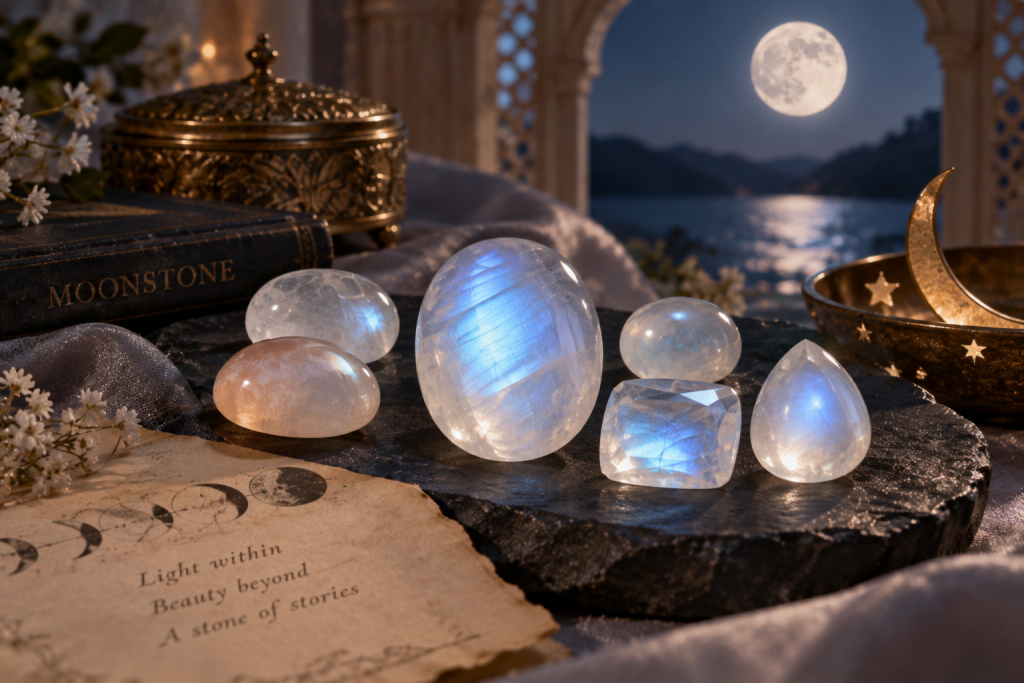
The Hidden Secrets of Moonstone begin with its appearance, which is unlike most other gemstones. At first glance, it may seem colorless, white, peach, gray, or even nearly transparent. But when the stone moves under light, a soft glow can appear to float beneath its surface.
This mysterious light is one of the reasons moonstone has fascinated people for centuries. Behind its beauty lies an interesting combination of mineral structure, optical phenomena, history, and symbolism.
So, what are the hidden secrets of moonstone, and what creates its distinctive glow?
Moonstone Is a Feldspar Gemstone
Moonstone belongs to the feldspar mineral group, one of the most abundant mineral groups in the Earth’s crust.
Traditional moonstone consists of intergrown feldspars with slightly different compositions. As the mineral forms and cools, extremely fine internal layers can develop within the gemstone.
These layers are responsible for moonstone’s most famous characteristic: its floating glow.
Despite its name, moonstone does not come from the Moon. The name refers to its visual resemblance to soft moonlight.
The Secret Behind Moonstone’s Glow
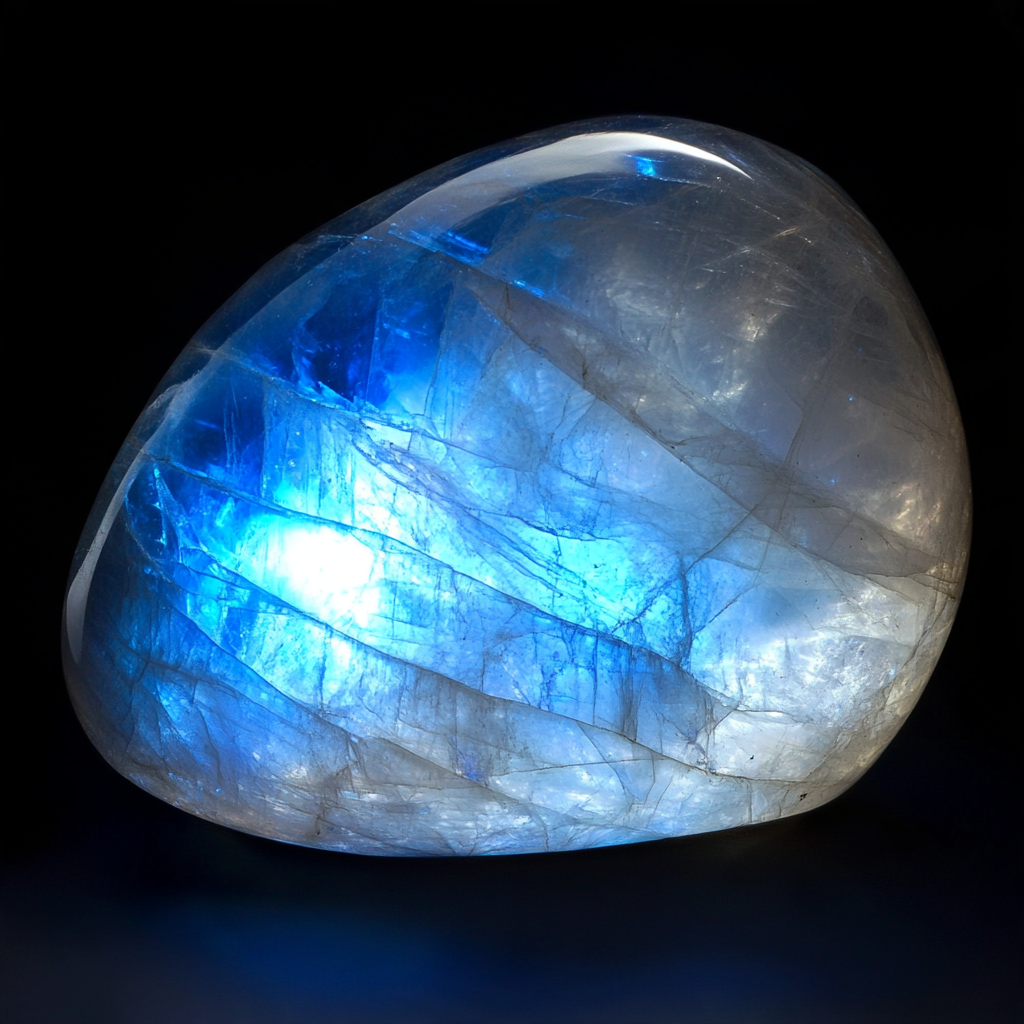
The beautiful light seen inside moonstone is called adularescence.
Adularescence is an optical phenomenon created when light enters the gemstone and interacts with its fine internal feldspar structures. The light is scattered and reflected within these layers before returning to the observer.
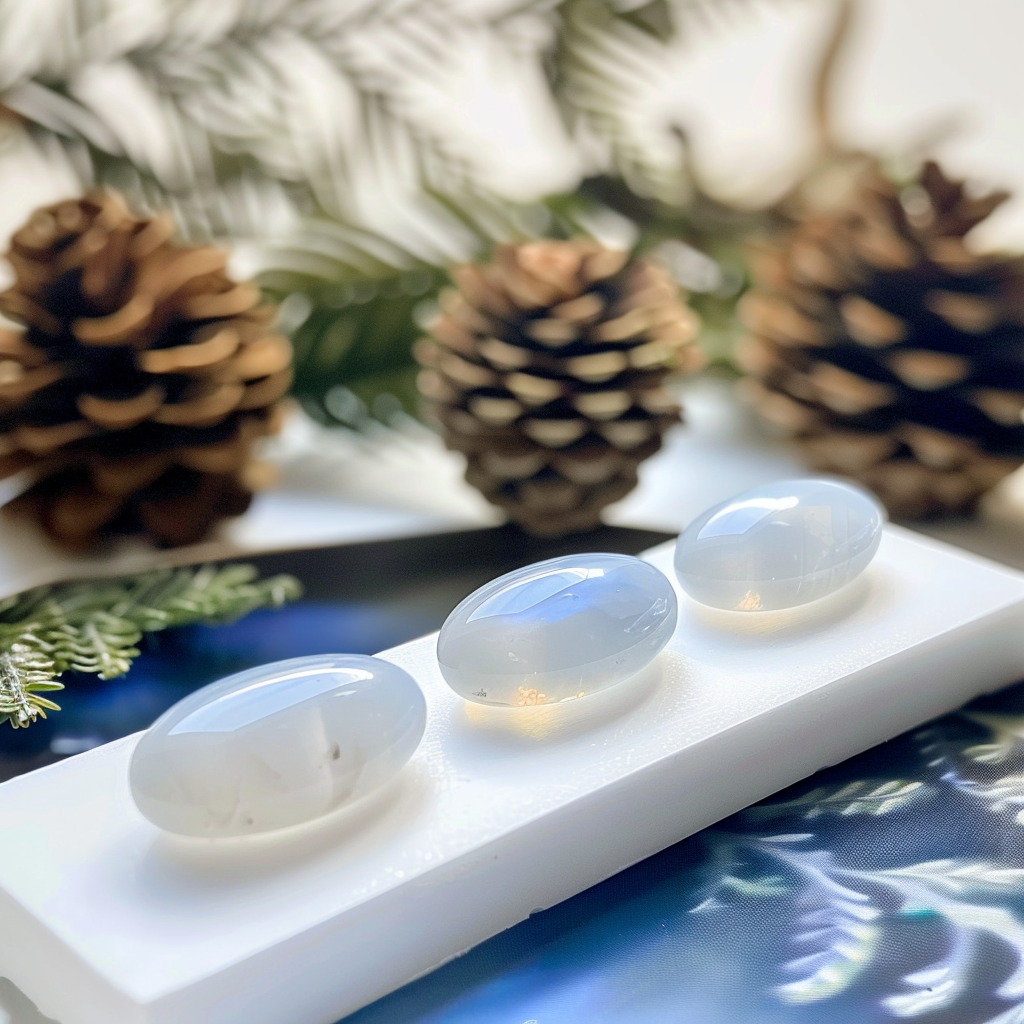
The result can appear as a soft white or bluish glow floating beneath the surface.
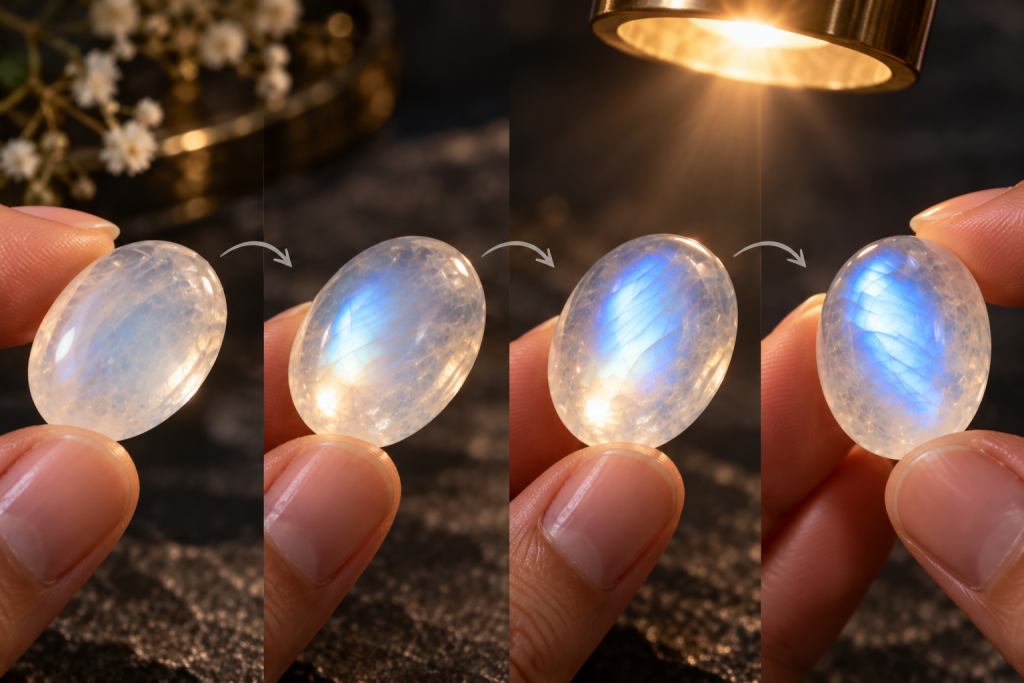
Unlike an ordinary surface reflection, adularescence seems to move as the gemstone is tilted.
This gives moonstone its almost three-dimensional appearance.
Why Does Some Moonstone Glow Blue?
Not every moonstone displays the same adularescence.
Some stones show a white or silvery sheen, while fine examples can display a beautiful blue glow.
The appearance depends on factors including the size and arrangement of the microscopic internal structures that interact with light.
Fine transparent moonstone with strong blue adularescence is especially admired because the blue sheen appears to float clearly against the relatively transparent body of the gemstone.
How to See Adularescence
Moonstone should be viewed in motion.
Hold the gemstone beneath a direct light source and slowly tilt it from side to side. The sheen should appear to travel across or beneath the surface.
This is also why photographs do not always capture moonstone particularly well. A still image records only one viewing angle, while much of moonstone’s beauty comes from movement.
Videos and 360° views can therefore be especially helpful when selecting moonstone online.
Cutting Moonstone Requires Skill
The way a moonstone is cut can have a major influence on its appearance.
Moonstones are frequently fashioned as cabochons, with a smooth, rounded surface rather than numerous facets.
The cutter must carefully orient the stone so that the adularescence appears prominently across the top of the finished gem.
Poor orientation can leave the glow weak, off-center, or difficult to see.
A well-cut moonstone, by contrast, can make the light appear to travel beautifully across the entire surface.
Moonstone Comes in Different Colors
Moonstone is often associated with a white or colorless appearance, but its body color can vary considerably.
Natural moonstones may appear:
- Colorless
- White
- Cream
- Gray
- Peach
- Yellowish
- Brownish
The bodycolor and the color of the adularescence are separate characteristics. For example, a relatively colorless stone may display a strong blue sheen.
This combination of bodycolor, transparency, and adularescence gives individual moonstones very different personalities.
Moonstone and Ancient Legends
Moonstone’s unusual appearance naturally inspired stories long before people understood the science behind adularescence.
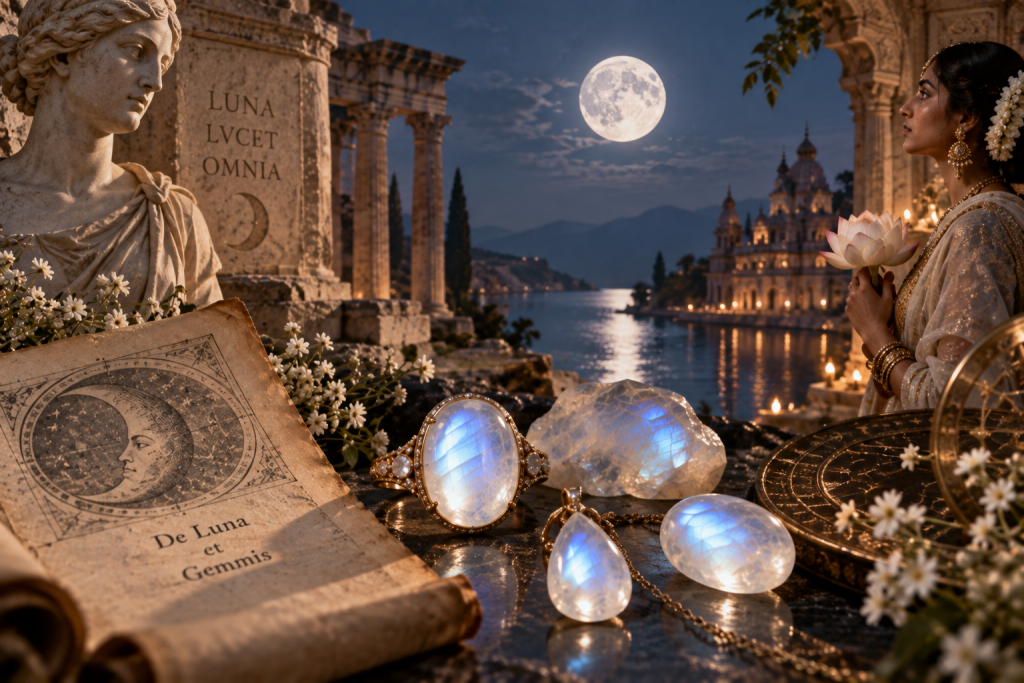
Ancient cultures associated luminous gemstones with celestial bodies, and moonstone became particularly connected with the Moon.
Roman writers linked moonstone-like gems with lunar imagery, while later traditions in India also developed strong associations between moonstone and the Moon.
These beliefs helped establish moonstone as a gemstone connected with intuition, love, good fortune, and new beginnings.
Today, these ideas belong primarily to cultural tradition rather than gemological science, but they remain an important part of moonstone’s history.
Moonstone Became an Art Nouveau Favorite
Moonstone experienced an important revival during the Art Nouveau period around the late nineteenth and early twentieth centuries.
Art Nouveau jewelry emphasized flowing lines, flowers, insects, feminine figures, and natural forms. Moonstone’s soft glow suited this aesthetic beautifully.
French jeweler René Lalique was particularly famous for incorporating unusual gemstones and materials into imaginative Art Nouveau designs.
Rather than relying only on expensive diamonds and traditional precious gemstones, designers could use moonstone for its atmosphere, color, and optical beauty.
Its mysterious glow became part of the artwork.
Moonstone Is a June Birthstone
Moonstone is traditionally recognized as one of the birthstones for June, alongside pearl and alexandrite.
Its connection with the Moon and historical associations with love and new beginnings have also made it popular for sentimental jewelry.
Moonstone can be found in rings, earrings, necklaces, pendants, and bracelets.
Its soft appearance makes it particularly suitable for designs inspired by nature, celestial themes, and vintage jewelry.
Is Rainbow Moonstone Really Moonstone?
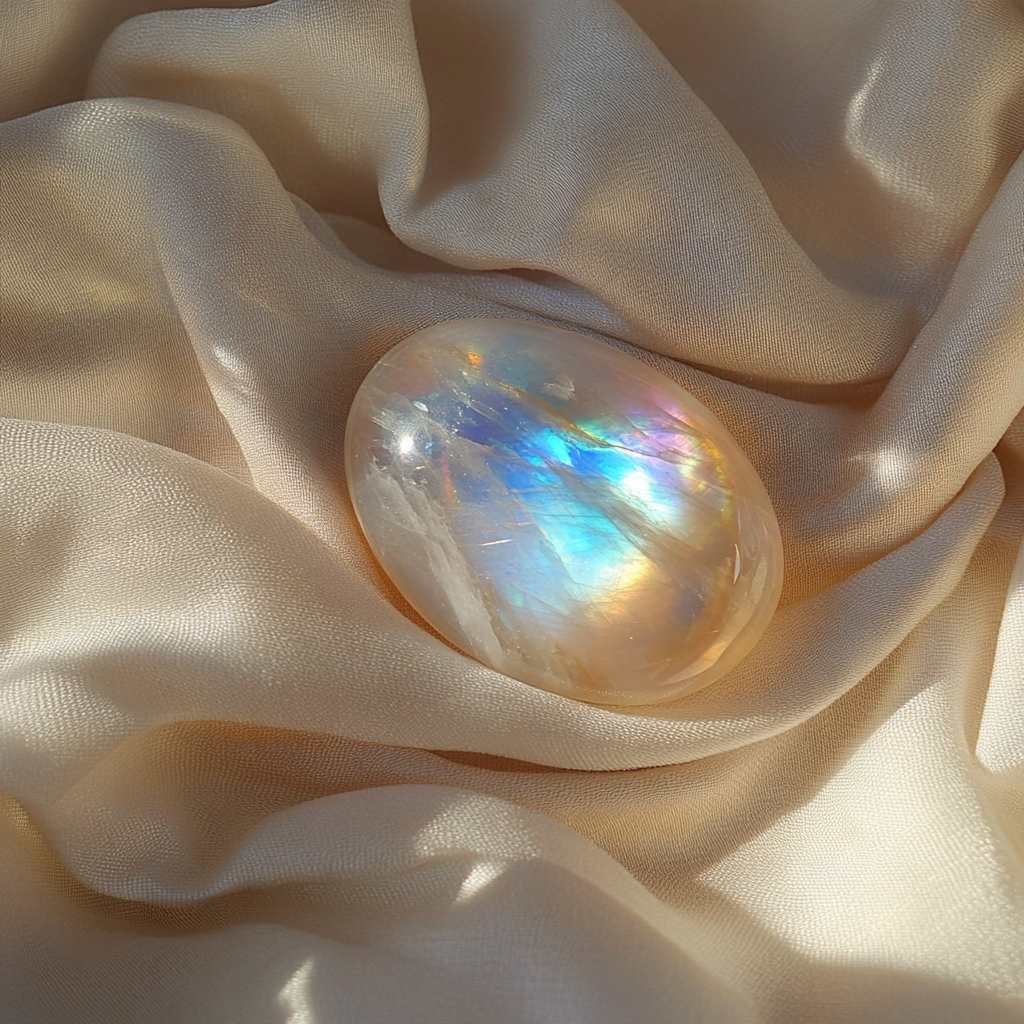
One of the hidden secrets of moonstone is that material commonly sold as rainbow moonstone is generally a transparent variety of labradorite, another member of the feldspar group, rather than traditional moonstone in the strict mineralogical sense.
Rainbow moonstone can display striking blue flashes and sometimes multiple colors. Because its appearance resembles moonstone, the trade name became widely established.
Traditional moonstone and rainbow moonstone therefore belong to the same broad feldspar family but are not exactly the same gemological material.
Moonstone vs. Labradorite
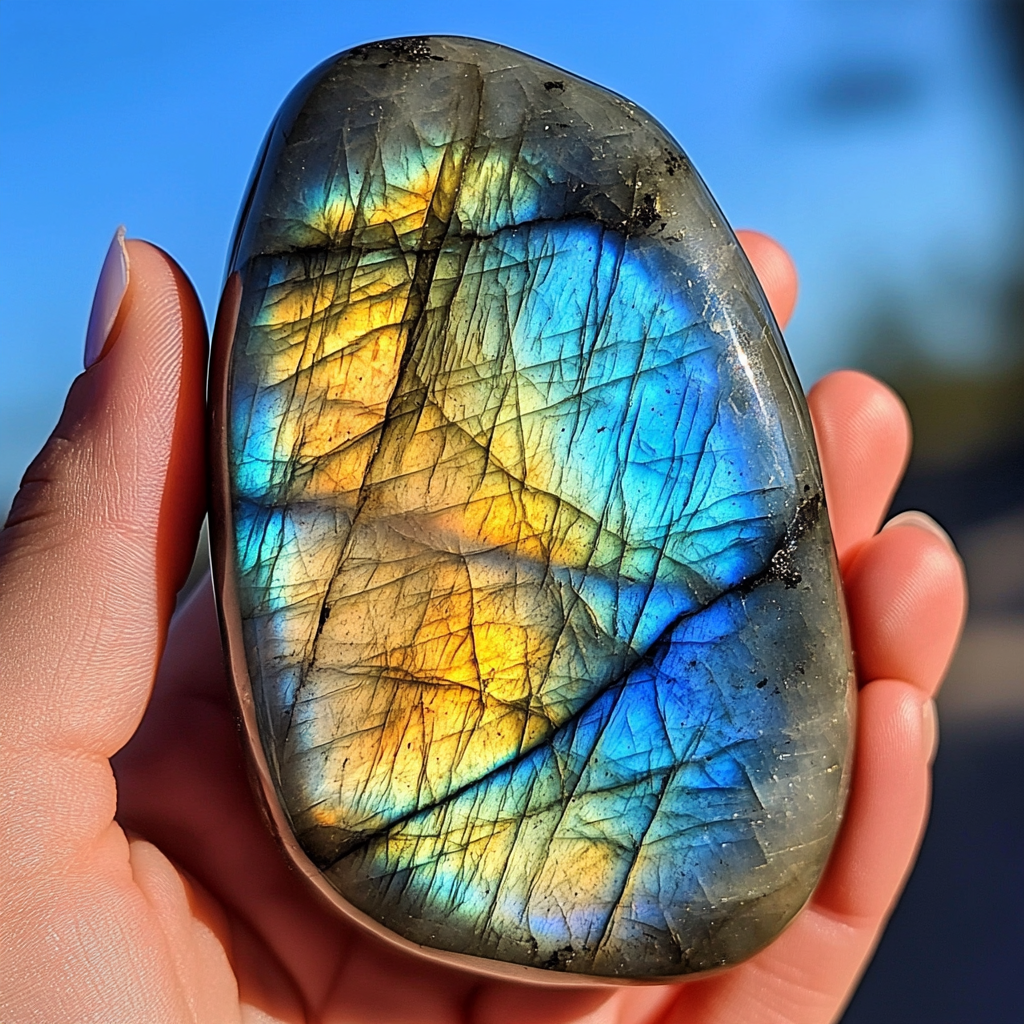
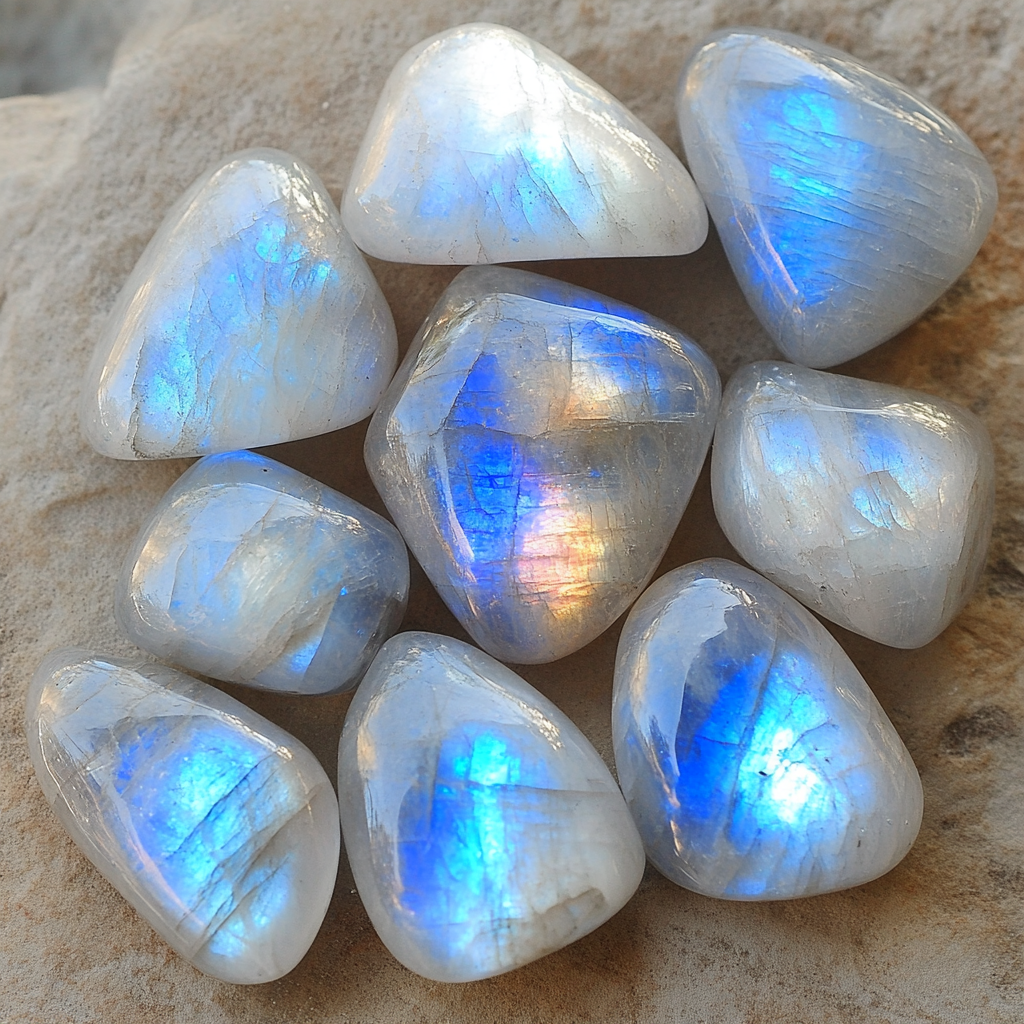
Moonstone and labradorite can also be confused because both belong to the feldspar group and display unusual optical effects.
Moonstone is famous for adularescence, which usually appears as a soft floating white or blue glow.
Labradorite is known for labradorescence, which can produce stronger flashes of blue, green, yellow, orange, and other colors.
The effects may appear similar at first, but they originate from different feldspar structures and usually have noticeably different visual characteristics.
Does Moonstone Have Inclusions?
Like most natural gemstones, moonstone can contain inclusions and internal features.
Some inclusions may help gemologists identify natural moonstone. Characteristic internal features can include tiny stress cracks and other structures associated with feldspar formation.
However, clarity still matters.
Fine moonstone is generally valued for having enough transparency or translucency for its adularescence to appear clearly. Heavy inclusions, fractures, or cloudiness may interfere with the effect.
The goal is not necessarily absolute perfection. It is finding a stone whose internal character allows its glow to be seen beautifully.
Is Moonstone Durable?
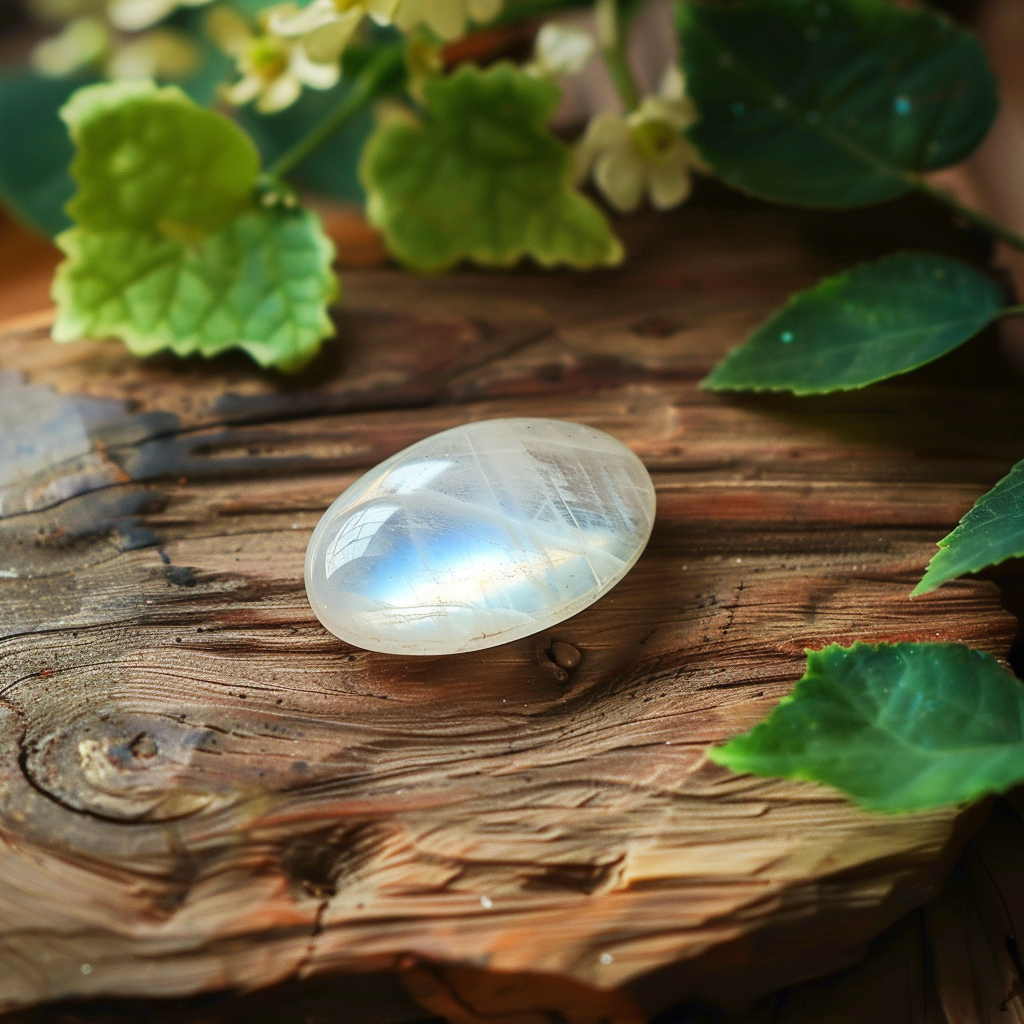
Moonstone has a Mohs hardness of approximately 6 to 6.5.
This makes it softer than gemstones such as sapphire, ruby, spinel, and topaz.
It also has cleavage, meaning a strong impact in the wrong direction can potentially damage the stone.
Moonstone can certainly be worn in jewelry, but it benefits from thoughtful care. Earrings and pendants are generally less exposed to impact than rings.
For a moonstone ring, a protective setting and careful wear can help reduce the chance of damage.
How to Care for Moonstone
Moonstone should be cleaned gently.
Warm water, mild soap, and a soft cloth or brush are generally sufficient for routine cleaning.
Avoid harsh chemicals, sudden temperature changes, and strong impacts. Because of its cleavage and moderate hardness, ultrasonic or steam cleaning should generally be avoided unless a qualified jeweler specifically determines that the individual piece can safely tolerate it.
Moonstone jewelry should also be stored separately from harder gemstones that could scratch its surface.
What Makes a Fine Moonstone?
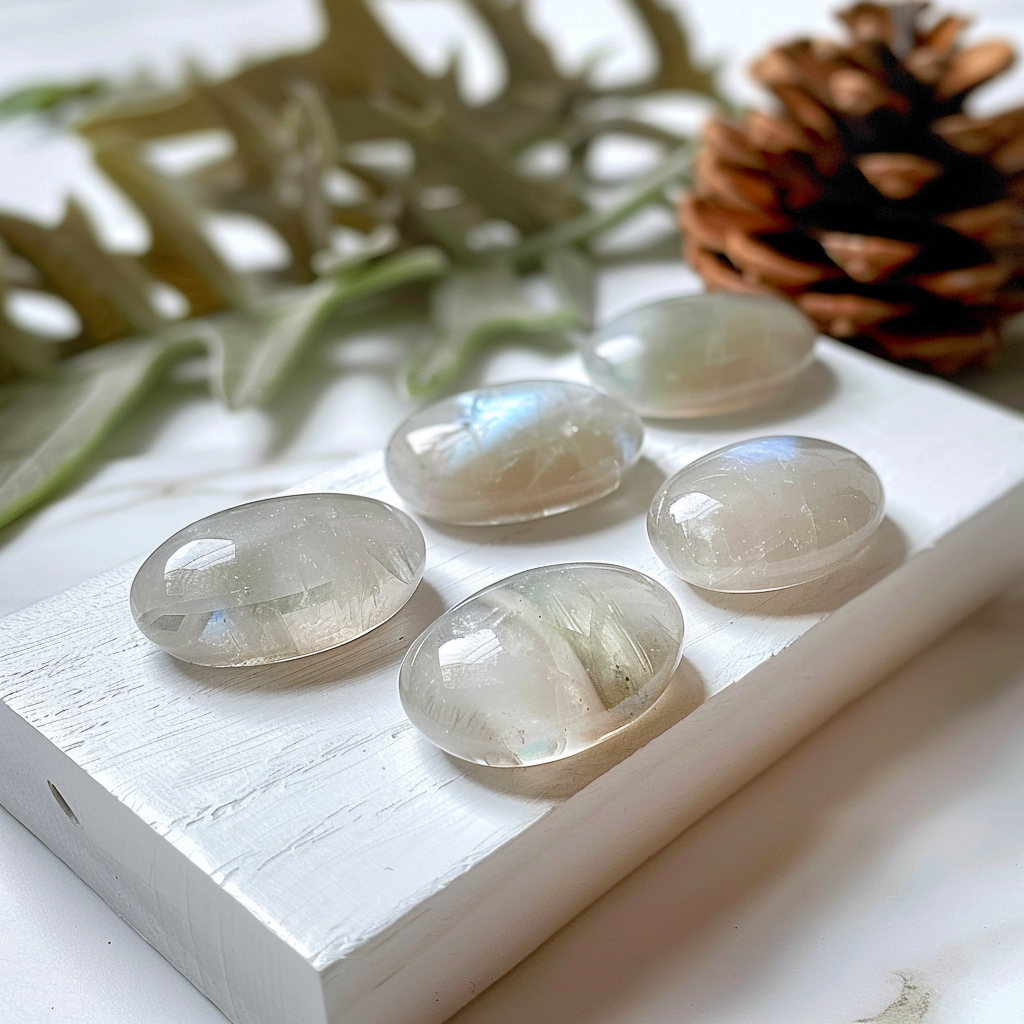
When choosing moonstone, pay particular attention to the optical effect.
A desirable stone should have attractive adularescence that is easy to see and moves well across the gemstone.
Other important characteristics include:
- Sheen: Strong blue adularescence can be especially desirable.
- Transparency: Fine material may have high transparency while still displaying a strong floating glow.
- Cut: The stone should be oriented so the adularescence is well positioned.
- Clarity: Distracting fractures or inclusions can reduce beauty.
- Bodycolor: Colorless material is highly admired, although peach, gray, cream, and other colors have their own appeal.
Ultimately, moonstone should be judged by the complete visual effect rather than any single characteristic.
Did You Know?
Moonstone’s glow is not a color painted onto the surface or an ordinary reflection.
It is created by the gemstone’s microscopic internal structure interacting with light.
That means the most famous feature of moonstone is actually hidden inside it.
Without those tiny structures, there would be no floating moonlight effect.
Why Moonstone Remains So Fascinating
Moonstone demonstrates that a gemstone does not need extreme rarity or intense color to be captivating.
Its beauty is quieter.
The gemstone changes as it moves. A seemingly simple stone can suddenly reveal a blue or silvery glow that appears to travel beneath its surface.
Centuries ago, people explained this appearance through stories about moonlight and celestial influence.
Modern gemology gives us a scientific explanation: adularescence created by light interacting with microscopic feldspar structures.
Knowing the science does not make the effect less mysterious. If anything, it makes moonstone even more fascinating.
Final Thoughts
The Hidden Secrets of Moonstone lie beneath its surface. Its famous glow comes from microscopic structures within the feldspar, while careful cutting determines how beautifully that light is revealed. Its connection with ancient traditions, Art Nouveau jewelry, June birthstones, and celestial symbolism has added layers of history to its natural beauty.
Perhaps moonstone’s greatest secret is also its simplest.
It is not at its best when perfectly still.
Move the gemstone under the light, and what initially appears to be an understated stone can suddenly come alive with a floating glow.
That moment is what has kept people fascinated by moonstone for generations.
Discover the hidden secrets of moonstone for yourself by exploring our finest collection of natural moonstones, each with its own unique glow and beauty.