
How the 4Cs Work Together on Alexandrite
When selecting a gemstone, especially diamonds, understanding the 4Cs Cut, Color, Clarity, and Carat Weight is crucial. These four factors work in tandem to define a gemstone’s overall appearance and value. This introduction explores how these elements interact and influence each other, particularly focusing on How the 4Cs Work Together on Alexandrite. The importance of balancing these 4Cs is emphasized to achieve both value and aesthetic appeal, a concept further exemplified by How the 4Cs Work Together on Alexandrite, offering insights into this unique gemstone’s properties.
Balancing the 4Cs for Value and Beauty
When considering Alexandrite for jewelry or as a collectible gemstone, understanding how to balance the 4Cs—Color, Clarity, Cut, and Carat Weight—is essential. Each of these attributes plays a crucial role in determining the overall value and aesthetic appeal of Alexandrite, a gemstone renowned for its remarkable color-changing properties.
Understanding Alexandrite
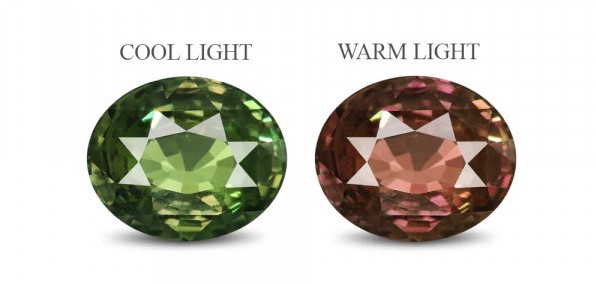
Alexandrite, a rare variety of the mineral chrysoberyl, is celebrated for its unique ability to change color. This gemstone exhibits a striking chromatic phenomenon where its color shifts depending on the lighting. In daylight, Alexandrite appears green or bluish-green, while under incandescent light, it transforms into a reddish-purple or purplish-red hue. This effect, known as the “alexandrite effect,” is a result of chromium impurities in the crystal structure, which absorb light differently under different lighting conditions.
Balancing the 4Cs in Alexandrite
Color: In Alexandrite, color is the paramount factor. The quality and intensity of the color change from green to red or vice versa are the most significant determinants of value. A strong, vivid color change is the most sought-after, with equal importance given to the saturation and hue in both color states.
Clarity: Alexandrite generally exhibits fewer inclusions than other gemstones. While high clarity is prized, some level of inclusion is usually acceptable given the rarity of the stone. Inclusions that do not detract significantly from the stone’s beauty or impede the color change are considered permissible. In some cases, unique inclusions can add character to the stone.
Cut: The cut of Alexandrite is crucial for enhancing its color change and overall brilliance. A skillful cut can optimize the stone’s ability to exhibit its unique color properties under different lighting conditions. The challenge for gem cutters is to strike a balance between maximizing the color change, retaining as much carat weight as possible, and minimizing visible inclusions.
Carat Weight: Alexandrite is often found in smaller sizes, with stones over one carat being quite rare and, therefore, more valuable. However, the weight of the gem should not compromise the quality of its color change or clarity. A smaller Alexandrite with a pronounced color change and good clarity may be more valuable than a larger stone with less distinct color change or notable inclusions.
For Alexandrite, the interplay of the 4Cs is slightly different than in other gemstones due to its unique color-changing characteristic. While color change is the most significant factor, it should not completely overshadow the importance of clarity, cut, and carat weight. Understanding and balancing these elements is key to selecting a beautiful and valuable Alexandrite gemstone.
The Role of Personal Preference in Choosing Alexandrite
Selecting Alexandrite, a gemstone known for its unique and enchanting color-changing properties, is a deeply personal decision. While technical aspects like the 4Cs (Color, Clarity, Cut, Carat Weight) play a crucial role in determining the gemstone’s value, personal preference is often the guiding factor in choosing the right Alexandrite. This section explores how individual tastes and desires influence the selection of Alexandrite for a gemstone website audience.
K1126|play|middle
Understanding Alexandrite’s Unique Appeal
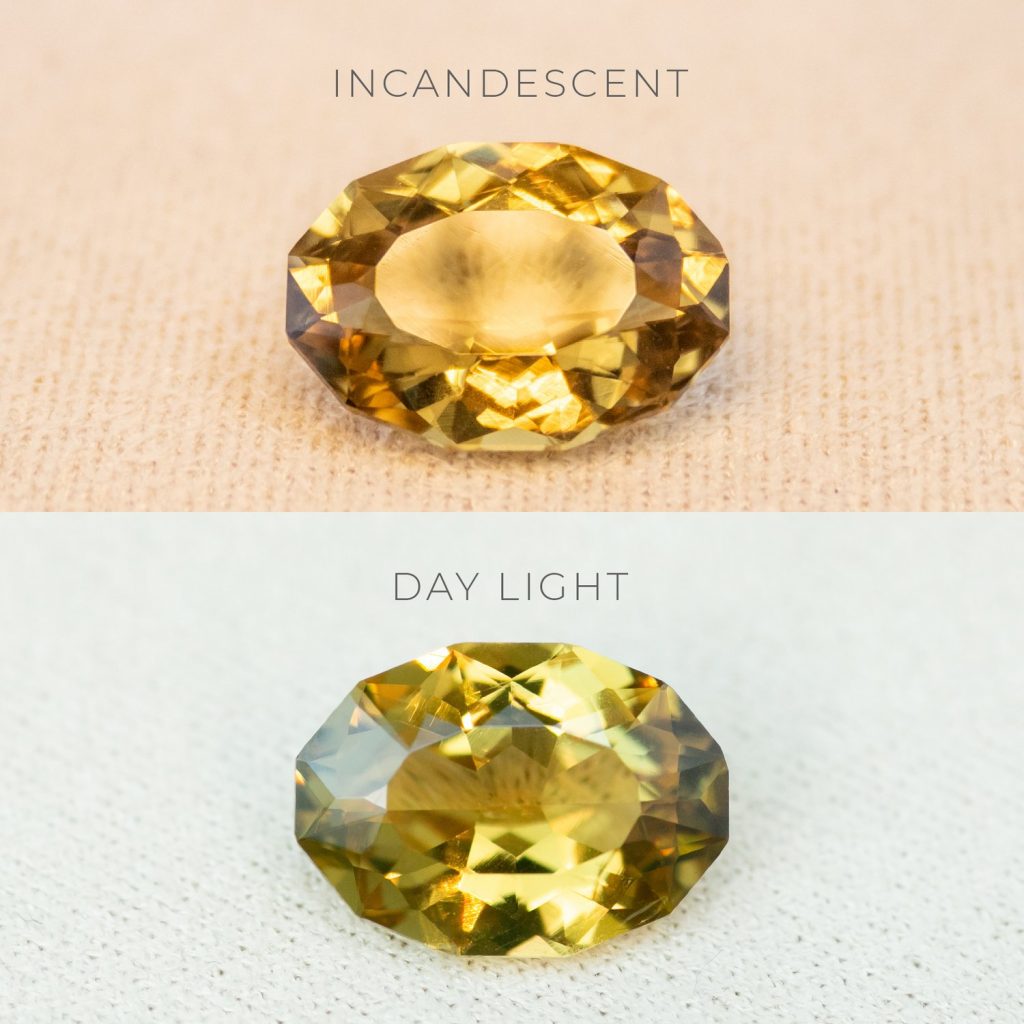
Before diving into personal preferences, it’s essential to appreciate what makes Alexandrite so special. This rare gemstone exhibits an extraordinary phenomenon known as the “alexandrite effect,” where its color changes from green in daylight to red in incandescent light. This dual personality not only makes Alexandrite captivating but also a subject of personal interpretation and appreciation.
Color Preference
The most striking feature of Alexandrite is its color change. Some individuals may prefer a more pronounced shift, such as a vivid green to a deep purplish-red, while others might be captivated by subtler changes. The intensity and quality of the color change can vary significantly between stones, making it a key factor in personal selection.
Clarity and Inclusions
While high clarity is generally preferred, Alexandrite is known to have natural inclusions. Some buyers might find these inclusions detract from the stone’s beauty, while others may appreciate them as natural identifiers or characteristics that add to the gemstone’s uniqueness. Choosing a stone with a level of clarity that aligns with one’s aesthetic preference is a personal decision.
Cut and Shape
The cut of Alexandrite significantly impacts its color change and overall appearance. Personal preference plays a role in selecting the shape and style of the cut. Some may prefer traditional shapes like ovals or cushions that maximize the color change, while others might lean towards more unique cuts that reflect their style.
Size Matters
The carat weight or size of the Alexandrite is often a matter of personal preference balanced against budget considerations. Larger Alexandrites are rare and, therefore, more expensive. Some buyers might prioritize size over other factors, while others may prefer a smaller stone with a more dramatic color change.
Sentimental and Symbolic Value
For many, the choice of Alexandrite goes beyond physical appearance and delves into the realm of sentimental or symbolic value. Alexandrite can represent a birth month, an anniversary, or even a personal milestone. This emotional connection often influences the selection process.
Choosing Alexandrite is a journey that intertwines technical understanding with personal tastes and desires. Each Alexandrite is unique, and its selection should resonate with the individual’s aesthetic preferences, lifestyle, and sentimental values. By acknowledging the role of personal preference, buyers can find an Alexandrite that not only meets the standards of quality but also holds a special meaning and appeal to them.
Which ‘C’ is the Most Important?
In the world of gemstones, particularly when evaluating Alexandrite, the 4Cs—Color, Clarity, Cut, and Carat—are crucial factors that determine the stone’s quality and value. However, for Alexandrite, a unique gemstone known for its stunning color-changing ability, prioritizing among the 4Cs can be a bit different than for other gemstones.
This section delves into understanding which ‘C’ holds the most significance for Alexandrite and why, offering valuable insights for enthusiasts and potential buyers on a gemstone website.

The Paramount Importance of Color in Alexandrite
The Alexandrite Effect: Alexandrite is famed for its dramatic color change—shifting from green in daylight to red in incandescent light. This phenomenon, known as the “alexandrite effect,” is the most defining and sought-after characteristic of this gemstone. Therefore, the quality of the color change, which includes the intensity and purity of colors in different lighting conditions, is often considered the most crucial aspect.
Color Over Clarity: While clarity is important in most gemstones, in Alexandrite, it is often the color change that takes precedence. A stone with a striking color change but with minor inclusions may be more valued than a clearer stone with a less pronounced color change.
The Supporting Role of Clarity, Cut, and Carat
Clarity: Clarity in Alexandrite is important but usually secondary to color. Inclusions that do not significantly impact the color change or the stone’s brilliance are often acceptable. Alexandrite typically has fewer visible inclusions compared to other gemstones.
Cut: The cut of an Alexandrite is crucial as it can enhance the color-changing effect and the overall brilliance of the stone. A well-executed cut can make a significant difference in showcasing the stone’s beauty, though it still ranks behind color and clarity in terms of importance.
Carat Weight: The size of the Alexandrite, while important, is usually the least prioritized of the 4Cs. Large Alexandrites are rare, and while they can command higher prices, the size does not necessarily enhance the desirable color change property.
For Alexandrite, the most important ‘C’ is unquestionably Color. The unique and mesmerizing color change is the star attribute that sets this gemstone apart and is the primary factor influencing its value and appeal. This is a prime example of How the 4Cs Work Together on Alexandrite, where color takes precedence.
While clarity, cut, and carat weight are also significant, they are often considered in the context of how well they support and enhance the stone’s color-changing properties. In understanding How the 4Cs Work Together on Alexandrite, it becomes clear that each ‘C’ contributes to the gem’s overall beauty, with color being the focal point.
Unveil the magic of color-changing gemstones in our captivating Introduction to Alexandrite.