
Clarity

Clarity is a pivotal characteristic in the world of gemstones, illuminating the purity and quality of a stone. At its essence, clarity refers to the presence (or absence) of internal or external imperfections, known as inclusions and blemishes, respectively.
These can range from microscopic flaws barely discernible to the naked eye, to more noticeable defects that impact a gem’s overall appearance and value. A gemstone with few to no inclusions is often considered to be of higher quality.
Delving deeper, clarity refers to the presence, size, and location of internal and external imperfections in the gemstone. These imperfections, known as inclusions or blemishes, can influence both the aesthetic and monetary value of the stone.
The clarity of a gemstone is pivotal, revealing its purity, uniqueness, and determining its intrinsic worth in the eyes of both collectors and connoisseurs.
Understanding Inclusions and Blemishes
In the world of gemstones, the terms ‘inclusions’ and ‘blemishes’ hold significant importance, often serving as key factors in determining a gem’s quality and value. Here’s a quick guide to understanding these intricate characteristics.
Inclusions
Inclusions refer to internal features that are enclosed within a gemstone. These could be minerals, gasses, or even other gemstones. The presence of inclusions can affect the gem’s overall clarity and brilliance. However, in some cases, inclusions can enhance a gemstone’s value—like the ‘star’ in star sapphires or the unique patterns in rutilated quartz.
Blemishes
Blemishes are surface imperfections such as scratches, pits, or nicks. Unlike inclusions, which are internal, blemishes are external features. The fewer the blemishes, the higher the quality of the gemstone, generally speaking.
Grading
Both inclusions and blemishes play a critical role in the grading system of gemstones. A gemstone with minimal inclusions and blemishes will likely receive a higher grade, making it more valuable in the market.
Click here for more information about Understanding Inclusions and Blemishes.
Individual Character
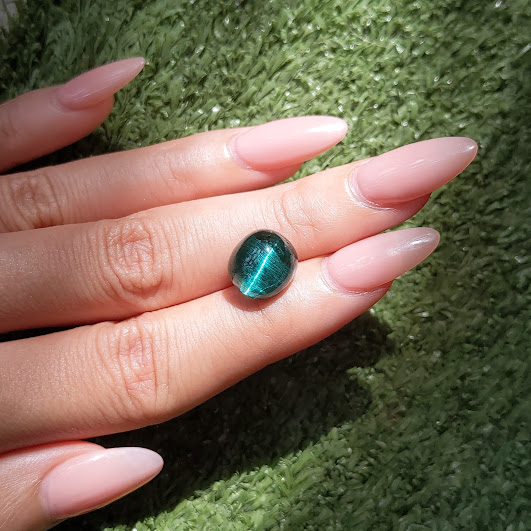
While it may seem counterintuitive, inclusions and blemishes can sometimes add to the ‘story’ of a gem, offering unique identifying markers much like a fingerprint.
This can add a layer of intrigue and individuality to a gemstone, making it a one-of-a-kind piece. Understanding inclusions and blemishes is crucial for anyone considering purchasing or collecting gemstones.
They not only influence the gem’s aesthetic qualities but also impact its monetary worth and structural integrity. So the next time you find yourself marveling at the beauty of a gemstone, remember that its inclusions and blemishes are an integral part of what makes it truly unique.
The Clarity Scale (From Flawless to Included)
When it comes to assessing the quality of gemstones, clarity is a critical factor that can significantly impact a gem’s value and overall appearance. The Clarity Scale serves as a standardized measure for evaluating the purity of a gemstone, describing how free it is from inclusions and blemishes.
| Flawless | A ‘Flawless’ gemstone has no inclusions or blemishes visible under 10x magnification. This is an exceptionally rare grade, even in high-end markets. |
| Internally Flawless (IF) | An ‘Internally Flawless’ gemstone has no inclusions and only minor blemishes that are visible under 10x magnification. The blemishes are generally on the surface and can often be removed via minor polishing. |
| Very, Very Slightly Included (VVS1 and VVS2) | Gemstones in this category have minuscule inclusions that are difficult for a skilled grader to see under 10x magnification. The inclusions are categorized as ‘VVS1’ if they are extremely hard to detect and ‘VVS2’ if they are very hard to detect. |
| Very Slightly Included (VS1 and VS2) | These gemstones contain minor inclusions such as small crystals, clouds, or feathers that are visible under 10x magnification but are generally not visible to the naked eye. The grade is divided into ‘VS1’ and ‘VS2’ based on the visibility and location of the inclusions. |
| Slightly Included (SI1 and SI2) | ‘Slightly Included’ gemstones have inclusions that are visible under 10x magnification and may be visible to the naked eye. These inclusions could be in the form of clouds, knots, or cavities. ‘SI1’ has fewer or smaller inclusions compared to ‘SI2’. |
| Included (I1, I2, and I3) | The ‘Included’ category is for gemstones with inclusions and/or blemishes that are obvious under 10x magnification and usually visible to the naked eye. These inclusions can affect the gemstone’s durability and brilliance. The scale ranges from ‘I1’ (least included) to ‘I3’ (most included). |
Understanding the Clarity Scale is essential for making an informed decision when purchasing or appraising gemstones. It helps you balance aesthetic preferences with budget considerations, ensuring you get the best value for your investment.
How Clarity Affects the Gemstone’s Brilliance
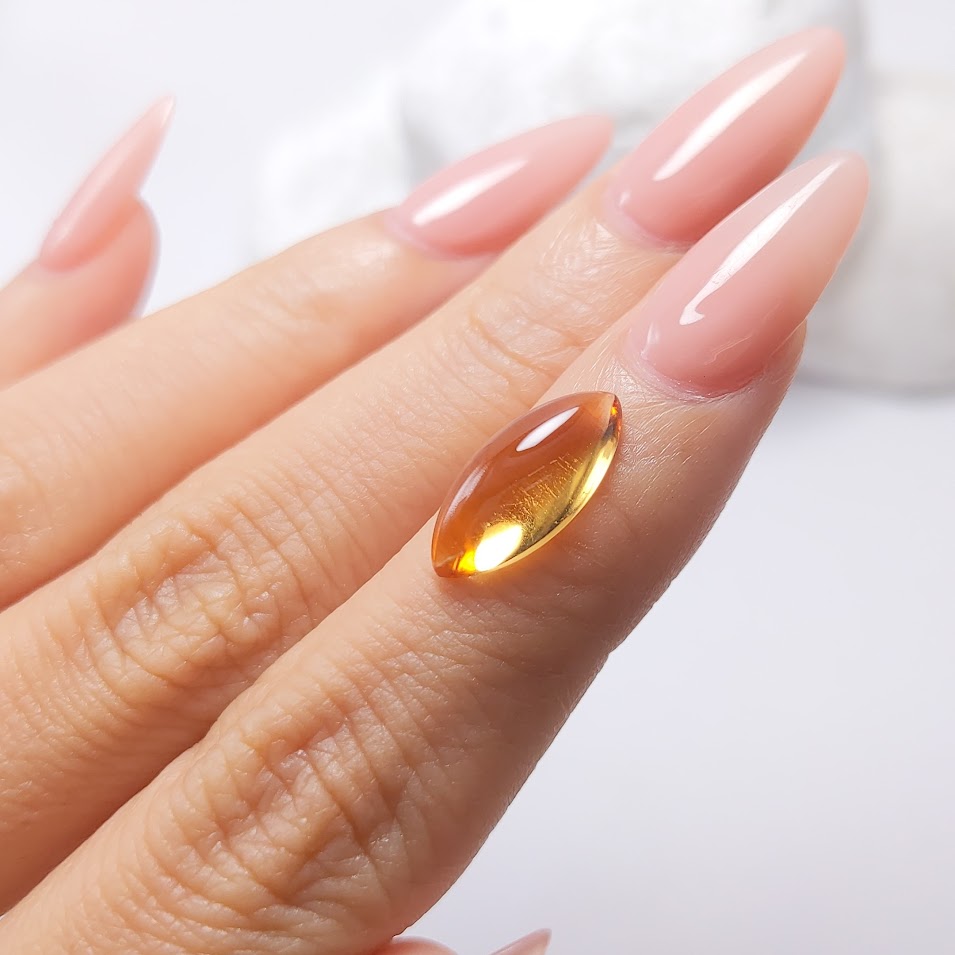
Clarity is one of the “Four Cs” — alongside carat weight, cut, and color — that significantly influences a gemstone’s brilliance, or how well it reflects light. In essence, clarity refers to the absence of inclusions and blemishes within or on the surface of the gemstone. Inclusions are internal imperfections, while blemishes are surface flaws; both can range from microscopic to visible to the naked eye.
The clarity of a gemstone affects its brilliance by impacting how light interacts with the material. High-clarity gemstones have fewer inclusions and blemishes to scatter or absorb incoming light, allowing it to pass through the stone more cleanly. This results in greater sparkle and visual appeal. Conversely, gemstones with numerous or significant inclusions and blemishes can inhibit light passage, making the stone appear dull or muted.
Understanding clarity is crucial for evaluating a gemstone’s quality and brilliance. A high degree of clarity not only enhances a gemstone’s aesthetic appeal but also its value. Therefore, when choosing a gemstone, it’s important to consider its clarity grade to ensure you are making an informed decision.
Importance of Clarity in Different Gemstones
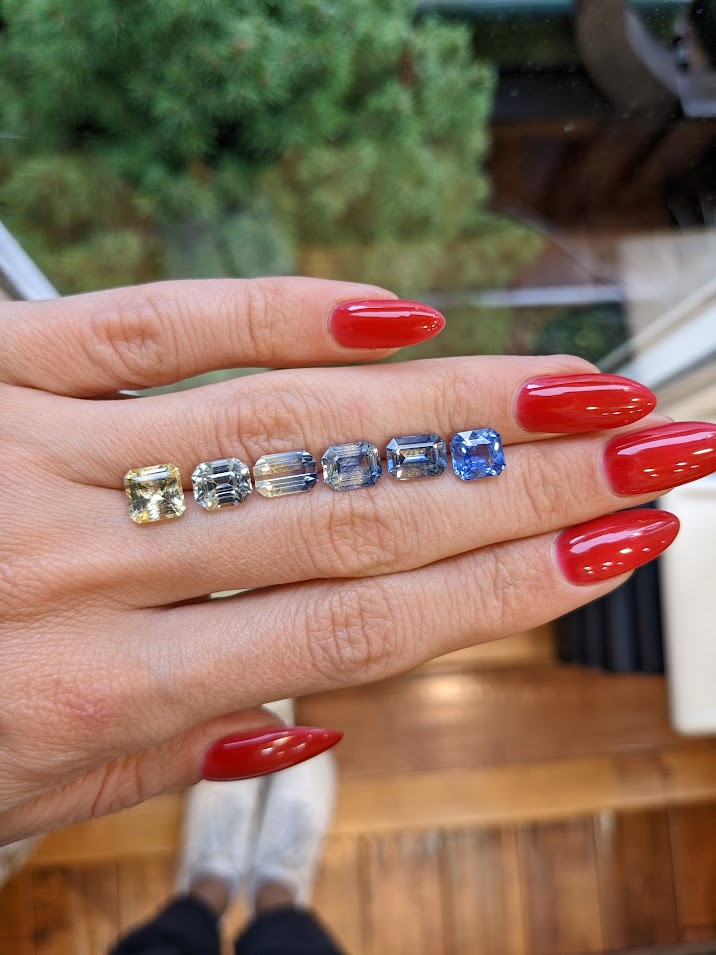
The importance of clarity can vary considerably among different types of gemstones, reflecting the unique properties and expectations associated with each. For diamonds, where brilliance and sparkle are highly prized, clarity is a crucial factor. Even minor inclusions can impact a diamond’s ability to refract and reflect light, thus diminishing its overall appearance and value.
Colored gemstones like sapphires, rubies, and emeralds are somewhat different. While clarity still matters, it is often secondary to color quality and intensity. Inclusions can even be desirable in some colored gems, adding to their uniqueness or creating fascinating visual effects. For example, the “star” in star sapphires and star rubies is caused by inclusions.
Organic gemstones like pearls and amber are judged primarily on their color, size, and shape rather than clarity. Inclusions are generally considered natural features that contribute to their organic charm rather than detracting from their beauty.
Therefore, when assessing the importance of clarity in a particular gemstone, it’s essential to consider the stone’s type, how it will be used, and what characteristics are most valued for that specific gem. This nuanced approach ensures that you appreciate the gemstone for all its natural beauty and unique features.