
Alexandrite: The Natural Gem That Changes Color With the Light
By the gemologist team at The Natural Gemstones Company. Last reviewed: 12 November 2026.
What is alexandrite? Alexandrite is a rare variety of chrysoberyl that appears to change color depending on the light: typically a green or bluish green in daylight, and a red or purplish red under warm incandescent light. The effect comes from trace amounts of chromium and the way the stone absorbs light. It is one of three birthstones for June, alongside pearl and moonstone, it ranks 8.5 on the Mohs scale, and it is one of the few gems that people describe as “emerald by day, ruby by night.” In practice every stone has its own pair of colors, which is why our listings name the exact shift for each one.

Why Does Alexandrite Change Color?
The gem is chrysoberyl, a beryllium aluminum oxide, with a little chromium replacing some of the aluminum. Chromium makes ruby red and emerald green, and in alexandrite it absorbs light in the yellow part of the spectrum and in the blue-violet part, leaving two “windows” of light that pass through: one blue-green and one red.
Which window we see depends on the light:
- Daylight and fluorescent light contain a lot of blue and green, so the blue-green window dominates and the stone looks green.
- Incandescent and candle light is rich in red, so the red window dominates and the stone looks reddish or purplish.
This is why the same stone can seem to be two gems. To see how light changes any gem, read our guide to the best time to view gemstones.
Where Was Alexandrite First Found?
Alexandrite was found in the Ural Mountains of Russia in the 1830s. Popular accounts say it was named for the future Tsar Alexander II, and that its green and red matched the colors of the Imperial Russian military. The exact details, including the date and who found it, differ between sources, so it is best told as a story passed down. What is clear is that the Russian stones were so well liked that alexandrite became linked with Russian imperial culture.
Today the Russian mines are no longer the main source. Natural alexandrite now comes from places such as Sri Lanka, Brazil, India, Madagascar and Zimbabwe, and each source tends to give a different range of colors.


How Do I Judge an Alexandrite?
| Quality | What it means |
|---|---|
| Strength of color change | The more complete the shift from one color to another, the more valued the stone. |
| Color quality | Both colors should be clean and distinct. A muddy or brownish secondary color is less valued than a clean green-to-red or green-to-purple change. |
| Clarity | Eye clean stones show the color change without distraction. |
| Size | Large, clean alexandrite is very rare, so size matters. |
| Origin and treatment | Check the origin and whether the stone is natural with no enhancement. |
Judge an alexandrite in more than one light, ideally outdoors and under a warm lamp, and ask for videos. The textbook “green to red” is the ideal, and few natural stones show it completely. That is why each of our product pages names the stone’s own color range, for example “Greenish to Orangish” or “Green to Purple”: the words describe the actual shift you will see in that stone, not a general promise.
How Can I Tell if Alexandrite Is Real?
Alexandrite is one of the most imitated gems, and the cheap “alexandrite” sold in many birthstone rings is not natural. There are three things it could be instead:
- Lab-created alexandrite. Man-made chrysoberyl with the same chemistry and a genuine color change. As GIA’s Alexandrite Buyer’s Guide notes, it is usually sold as “created” alexandrite, which the US Federal Trade Commission’s Jewelry Guides permit for laboratory-grown material.
- Color-change sapphire or spinel. Often sold as “alexandrite sapphire” or “alexandrite-like”. GIA explains that “alexandrite sapphire” generally means a laboratory-grown sapphire made to imitate the effect.
- Glass or other simulants. These may change color only slightly, or not at all.
How to protect yourself:
- Be wary of a bargain. GIA’s first tip is that an inexpensive gem with a strong red-green change is likely to be synthetic or a simulant. Natural alexandrite with a strong change is rare and priced accordingly.
- Look for “natural” and the treatment status in writing. A clear listing names the gem as natural alexandrite and states whether it has any enhancement.
- Ask for a lab report. For a significant purchase, an independent laboratory report confirms whether the stone is natural or laboratory-grown and names any detectable treatment.
- Expect natural features. Natural stones usually show some inclusions under magnification; a large, flawless stone with a perfect change at a low price is a warning sign.
Every alexandrite we list is natural, and its enhancement status is shown on the product page.
Alexandrite From Our Inventory
This section lists stones in our inventory when this post was last reviewed. Individual stones can sell; the guidance above stays the same.
All stones below are natural alexandrite with no enhancement, as listed. Our alexandrite ranges from small stones of a few hundred dollars to collector stones in six figures; the larger stones shown here sit at the top of that range.
| Stone | Weight | Origin | Listed color | Clarity | Size (mm) |
|---|---|---|---|---|---|
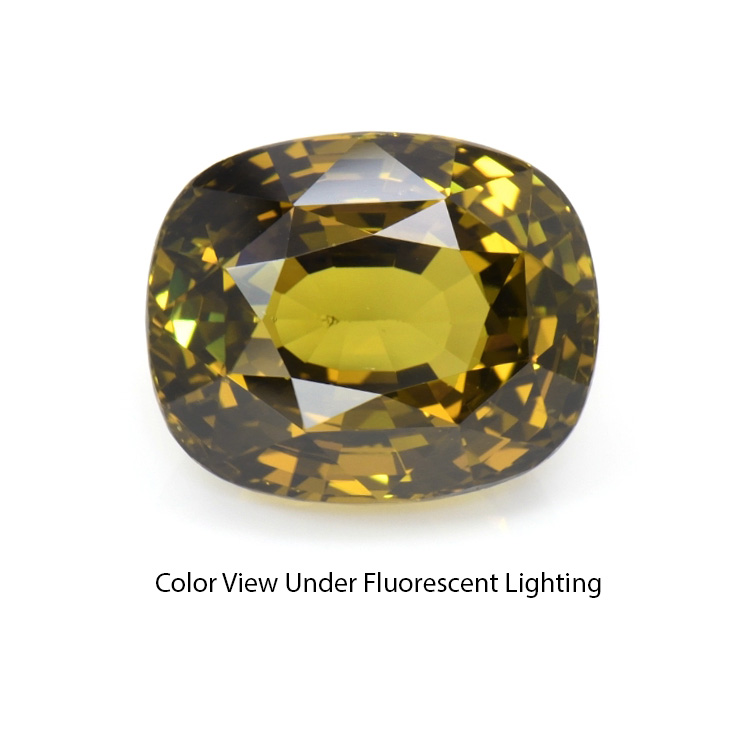
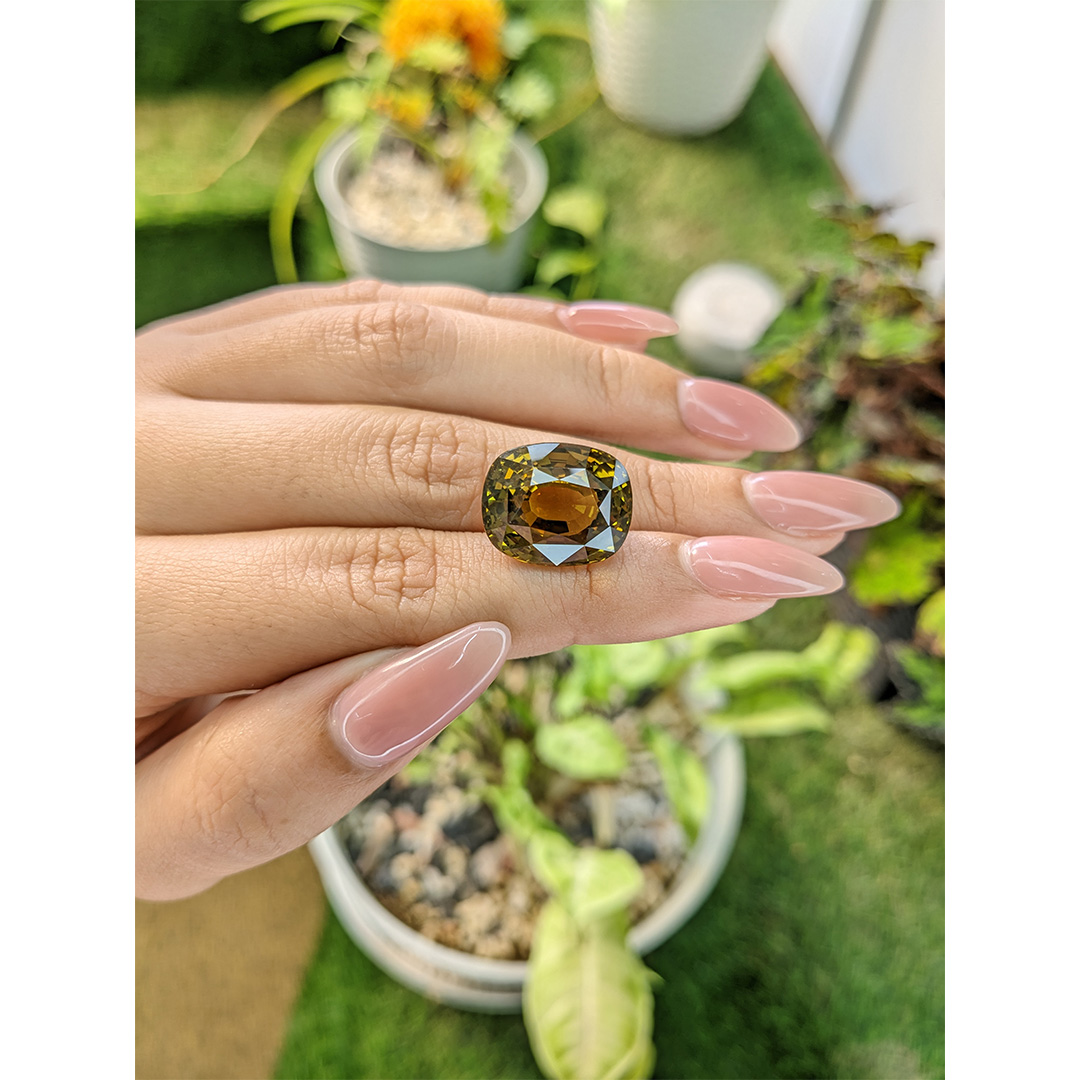
| 24.05 ct Ceylon cushion alexandrite (K17099) | 24.05 ct cushion | Ceylon (Sri Lanka) | Greenish to Orangish, Intense | Very Slightly Included | 16.77 × 13.75 × 11.65 |
| 15.26 ct Ceylon oval alexandrite (K4777) | 15.26 ct oval | Ceylon (Sri Lanka) | Greenish to Orangish, Vivid | Eye Clean | 14.74 × 12.77 × 10.23 |
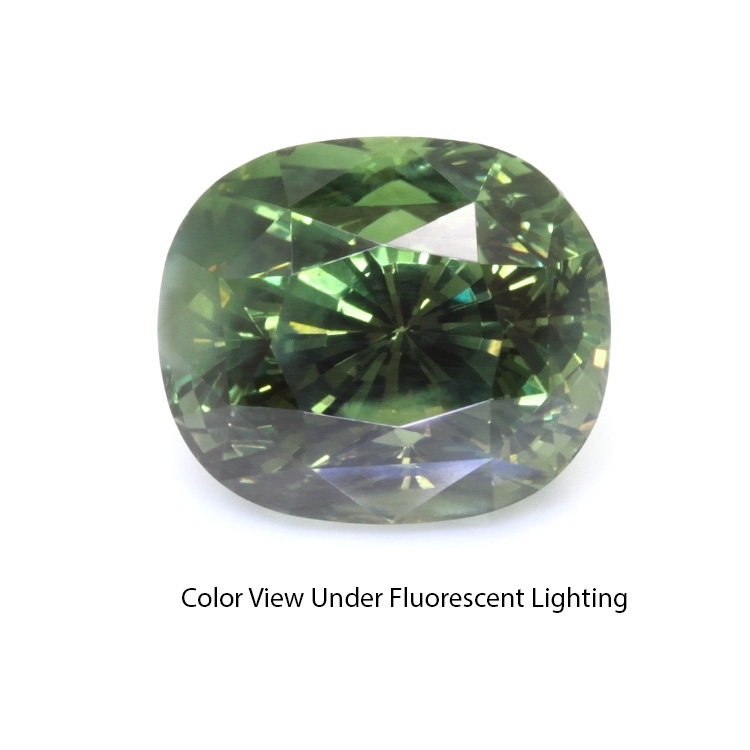
| 11.70 ct Ceylon cushion alexandrite (K15853) | 11.70 ct cushion | Ceylon (Sri Lanka) | Greenish to Orangish, Intense | Eye Clean | 12.71 × 10.88 × 10.71 |
| 5.06 ct Indian oval alexandrite (K18703) | 5.06 ct oval | India | Greenish to Pinkish, Vivid | Very Slightly Included | 10.78 × 9.75 × 5.85 |
| 4.42 ct Brazilian oval alexandrite (K19815) | 4.42 ct oval | Brazil | Greenish to Purplish, Vivid | Eye Clean | 11.22 × 8.38 × 5.74 |
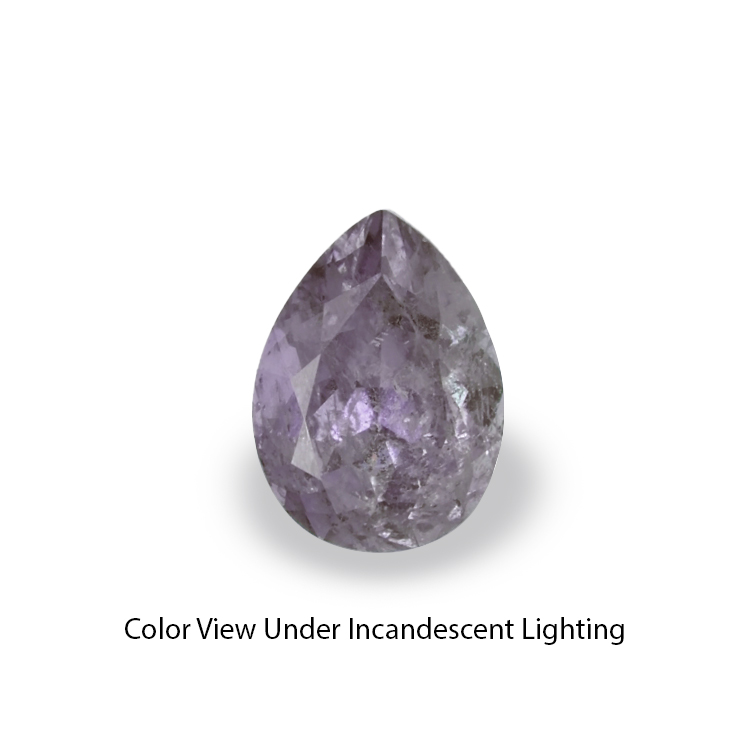
| 1.49 ct Russian pear alexandrite (K4850) | 1.49 ct pear | Russia | Green to Purple, Medium | Included | 8.14 × 5.97 × 4.30 |
The Largest: Our 24.05 ct Cushion
At 24.05 ct, our Ceylon cushion alexandrite (K17099) is the biggest alexandrite we show here, listed as Greenish to Orangish with Intense color.
Same Gem, Different Sources
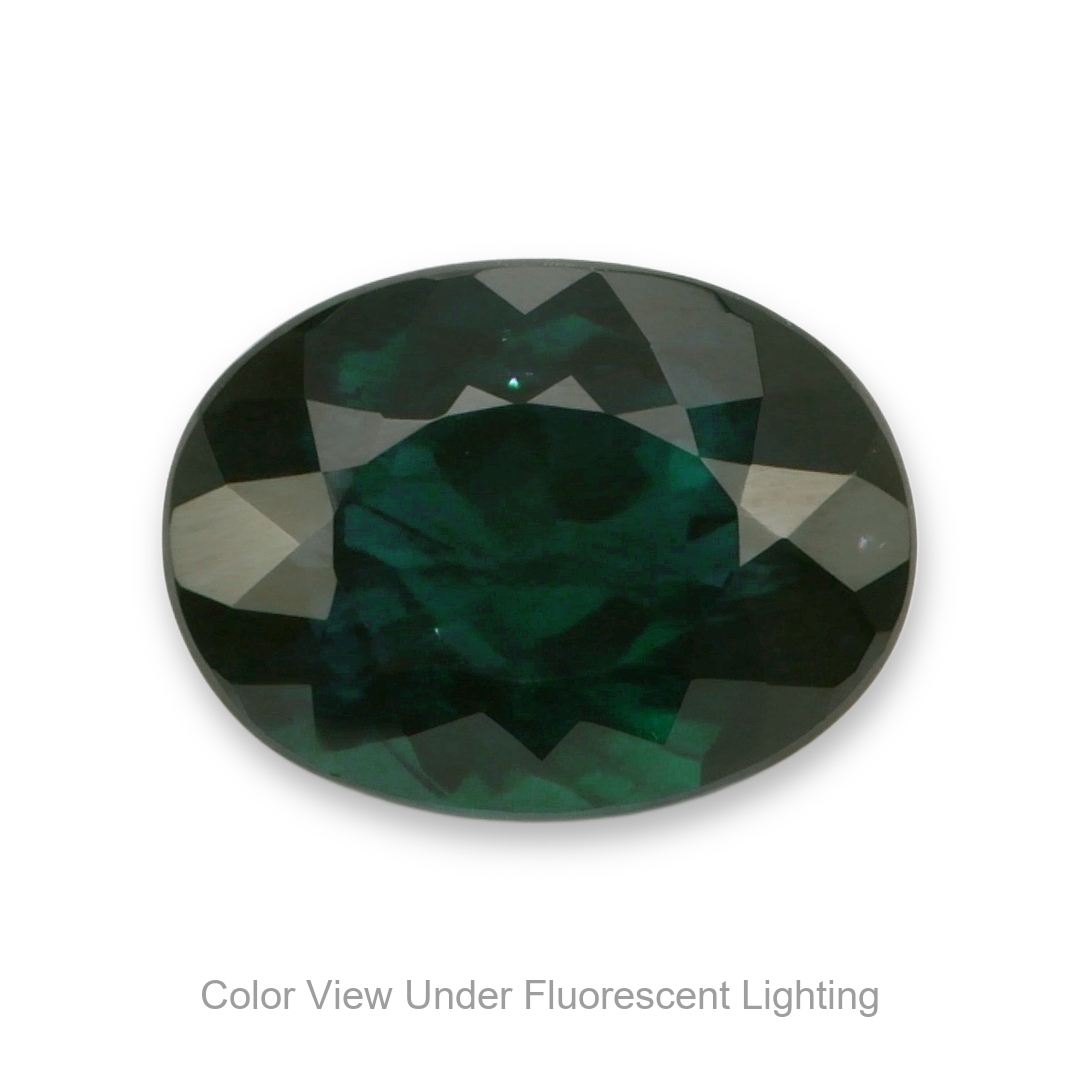
Compare the 11.70 ct cushion from Ceylon, the 5.06 ct oval from India, the 4.42 ct oval from Brazil and the 1.49 ct pear from Russia, the gem’s original source. Their listed color ranges differ: one pairs green with orangish tones, another green with pink, another green with purple, and the Russian stone moves from bluish green to purple, as the two photographs at the top of this post show.
Choosing a Setting
Because alexandrite shows its colors in different light, the setting matters. Open-backed settings let light into the stone, and metal color affects what you see. See how settings change gemstone appearance. With a hardness of 8.5 and good toughness, alexandrite is suited to rings, but it should still be handled with care. For more on why birthstones are loved, read The Psychology of Birthstones, and for the three December stones, see December Birthstones.
Browse all natural alexandrite.
Frequently Asked Questions
How can I tell if alexandrite is real?
Be wary of a low price for a strong color change, look for “natural” and the treatment status in writing, and for an important stone ask for an independent lab report, which states whether it is natural or laboratory-grown. Lab-created alexandrite, color-change sapphire and glass are common substitutes.
Why does alexandrite change color?
Chromium in chrysoberyl makes it absorb yellow and blue-violet light, leaving blue-green and red to pass through, and the light source decides which one we see.
What colors does alexandrite change between?
Typically green or bluish green in daylight and red or purplish red in warm light, but each stone has its own pair of colors. Our listings name the shift for each stone.
What is the birthstone for June?
June has three birthstones: pearl, moonstone and alexandrite.
How much is alexandrite worth?
It depends on size, the strength of the color change and clarity. In our inventory, alexandrite ranges from a few hundred dollars for small stones to six figures for large, clean stones with a strong change.
How hard is alexandrite?
It is 8.5 on the Mohs scale, one of the harder gems after sapphire and diamond.
Where does alexandrite come from?
It was first found in Russia’s Ural Mountains. Today stones also come from Sri Lanka, Brazil, India, Madagascar and Zimbabwe.
Sources: GIA: Alexandrite Buyer’s Guide; GIA: Alexandrite; GIA: June birthstones; American Gem Society: June birthstones.