
The Psychology of Birthstones
Why do birthstones feel so personal? A birthstone ties a gem to the moment someone was born, so it works as a small symbol of identity, with a story, a link to the people we give it to or receive it from, and a way of marking milestones. The tradition has ancient roots and a modern standard list, but its pull is emotional more than scientific. Below we look at the history and the psychology, with a real stone from our inventory for most months.
A Brief History of Birthstones
Ancient Roots
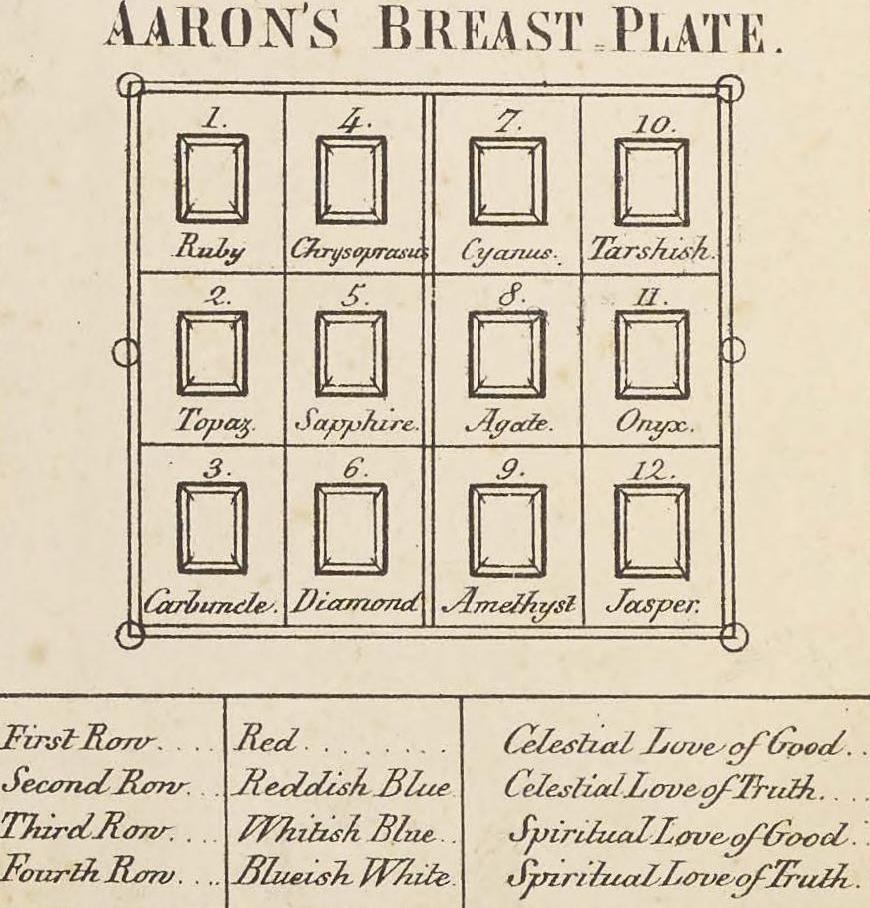
The idea of linking gemstones to time and identity is old. Many historians trace part of the tradition to the breastplate of the high priest described in the Book of Exodus, which held twelve stones associated with the twelve tribes of Israel. Later writers, including the first-century historian Josephus and the fourth- and fifth-century scholar St. Jerome, connected these stones with the twelve months and the signs of the zodiac.
Over centuries, different cultures developed their own lists, and stones identified in ancient texts do not always correspond to the gems we know by those names today.

A Modern Standard
In 1912, the American National Retail Jewelers Association (now Jewelers of America) adopted a standardized birthstone list. It has been updated since, for example with the addition of tanzanite for December and spinel for August. Other countries and organizations maintain their own lists, so variations still exist.
The Modern Birthstone List
A widely used modern list includes:
- January: Garnet
- February: Amethyst
- March: Aquamarine, bloodstone
- April: Diamond
- May: Emerald
- June: Pearl, moonstone, alexandrite
- July: Ruby
- August: Peridot, spinel, sardonyx
- September: Sapphire
- October: Opal, tourmaline
- November: Topaz, citrine
- December: Turquoise, zircon, tanzanite
A Birthstone for Each Month, From Our Inventory
For most months we can show a real example.
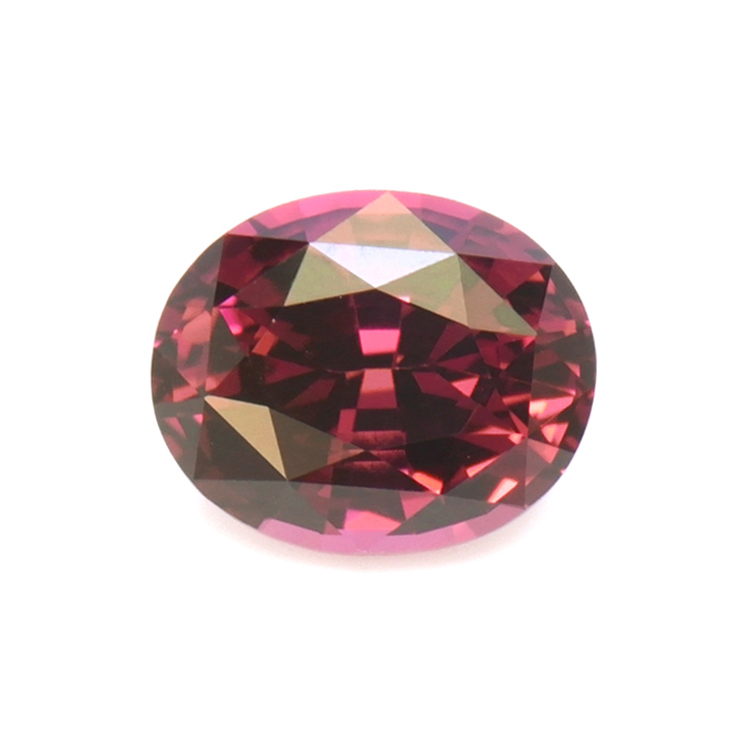
- January: the 0.91 ct Ceylon rhodolite garnet K11801.
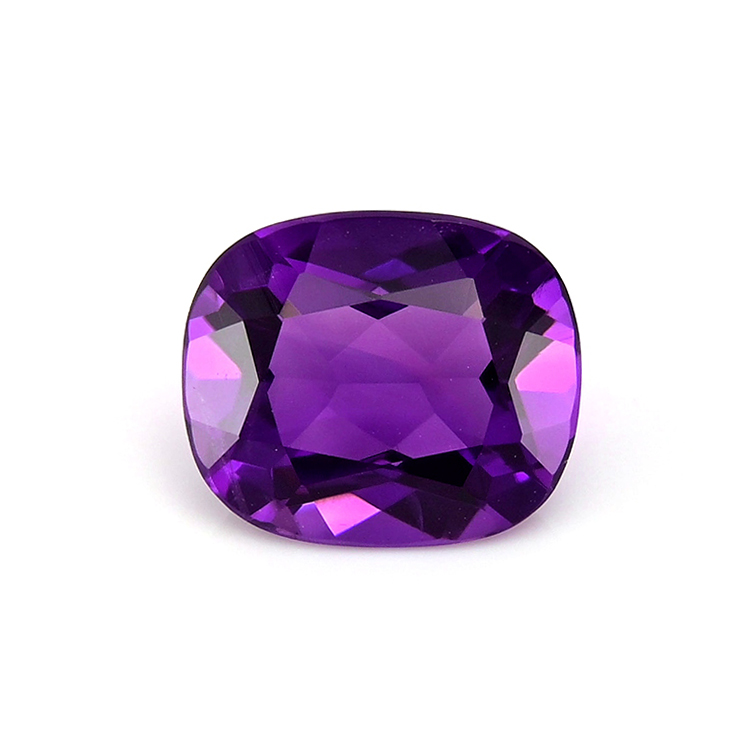
- February: the 4.42 ct Brazilian amethyst K2250.
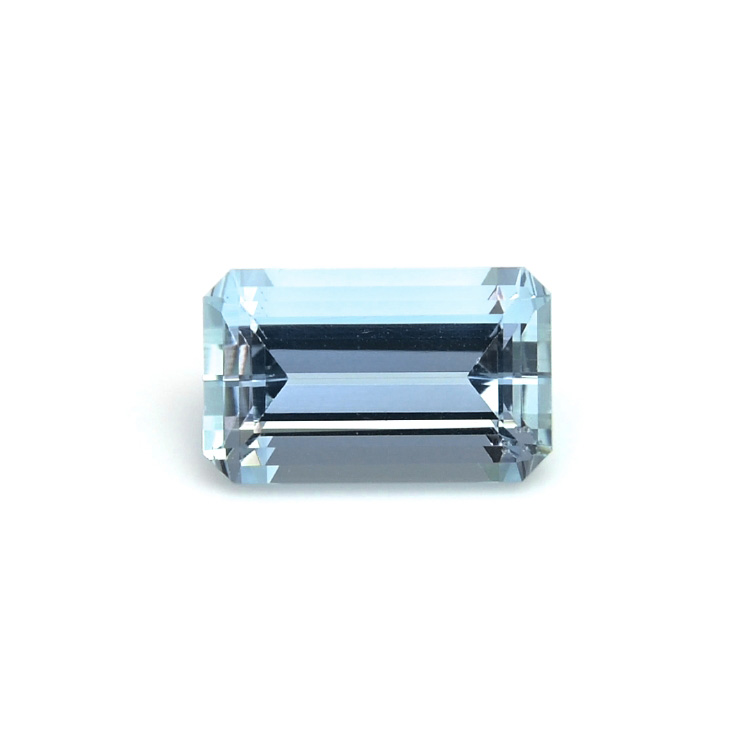
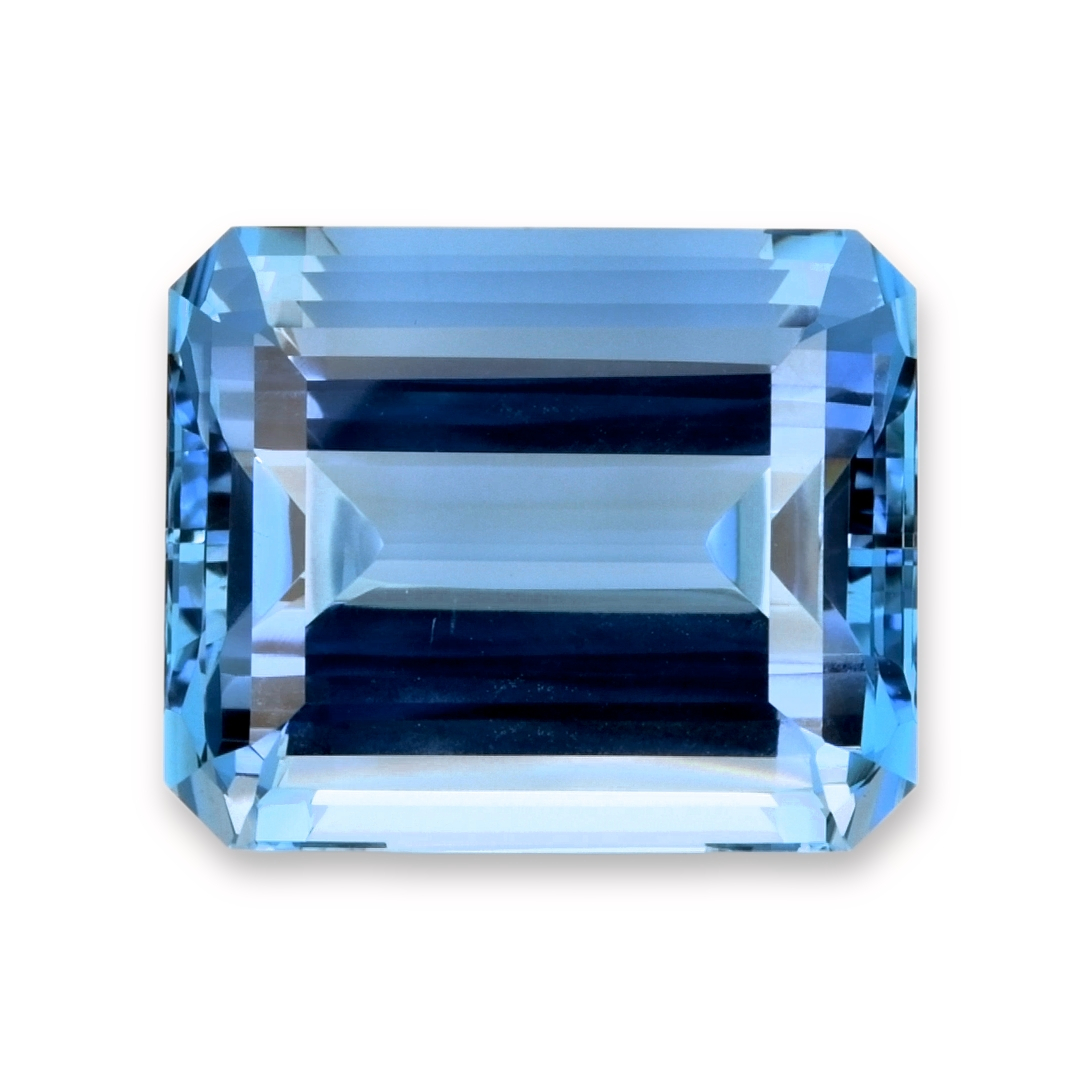
- March: the 1.11 ct Mozambique aquamarine K10572.
- May: the 2.58 ct Zambian emerald E6192.
- June: the 3.50 ct Madagascar alexandrite K13217 or the 10.38 ct Madagascar rainbow moonstone K12058.
- July: the 1.08 ct Mozambique ruby R14772.
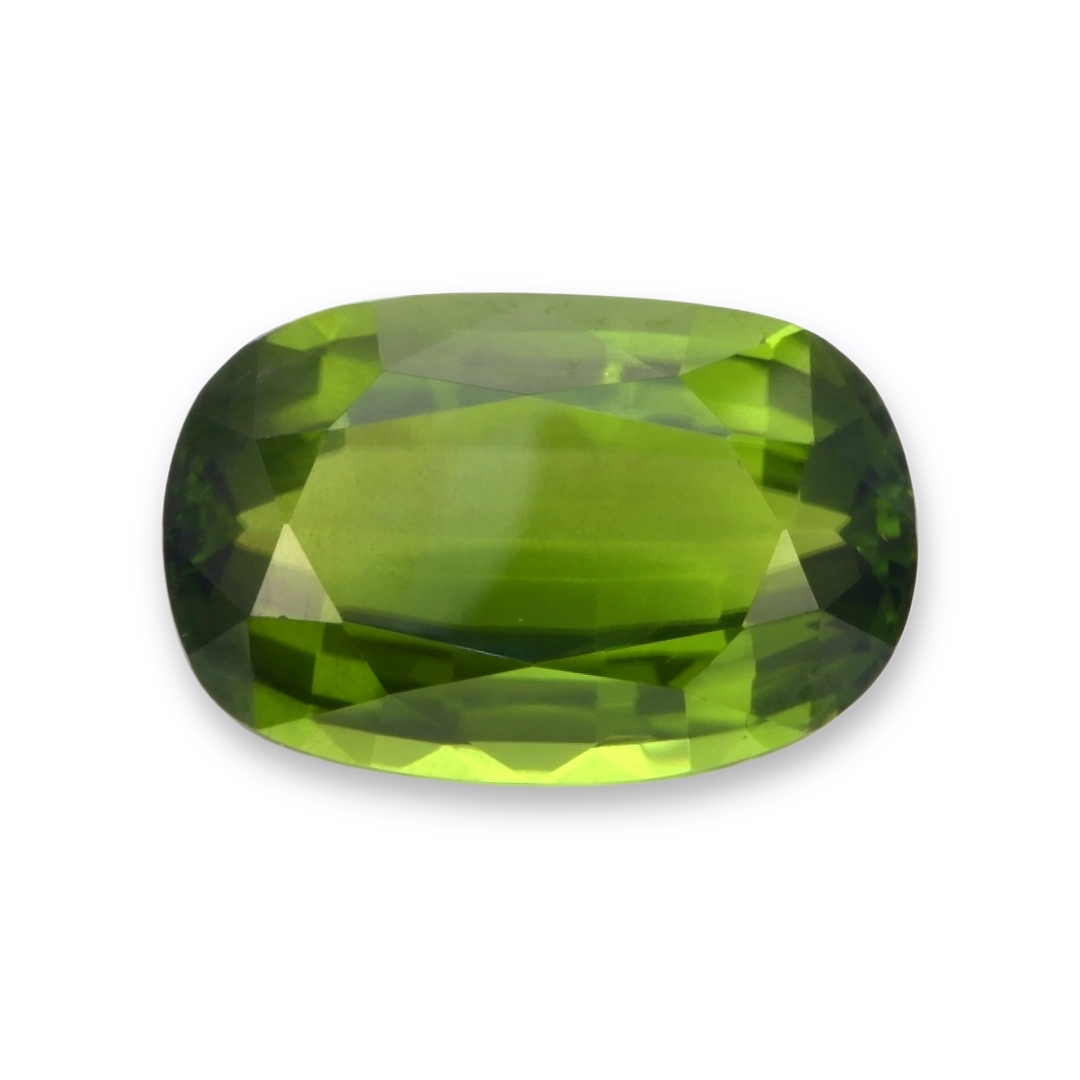
- August: the 0.99 ct Ceylon peridot K12991.
- September: the 1.56 ct Ceylon blue sapphire S11898.
- October: the 16.93 ct Australian boulder opal K12750 or the 7.04 ct Australian crystal opal K11580.
- November: the 5.10 ct Brazilian citrine K12681.
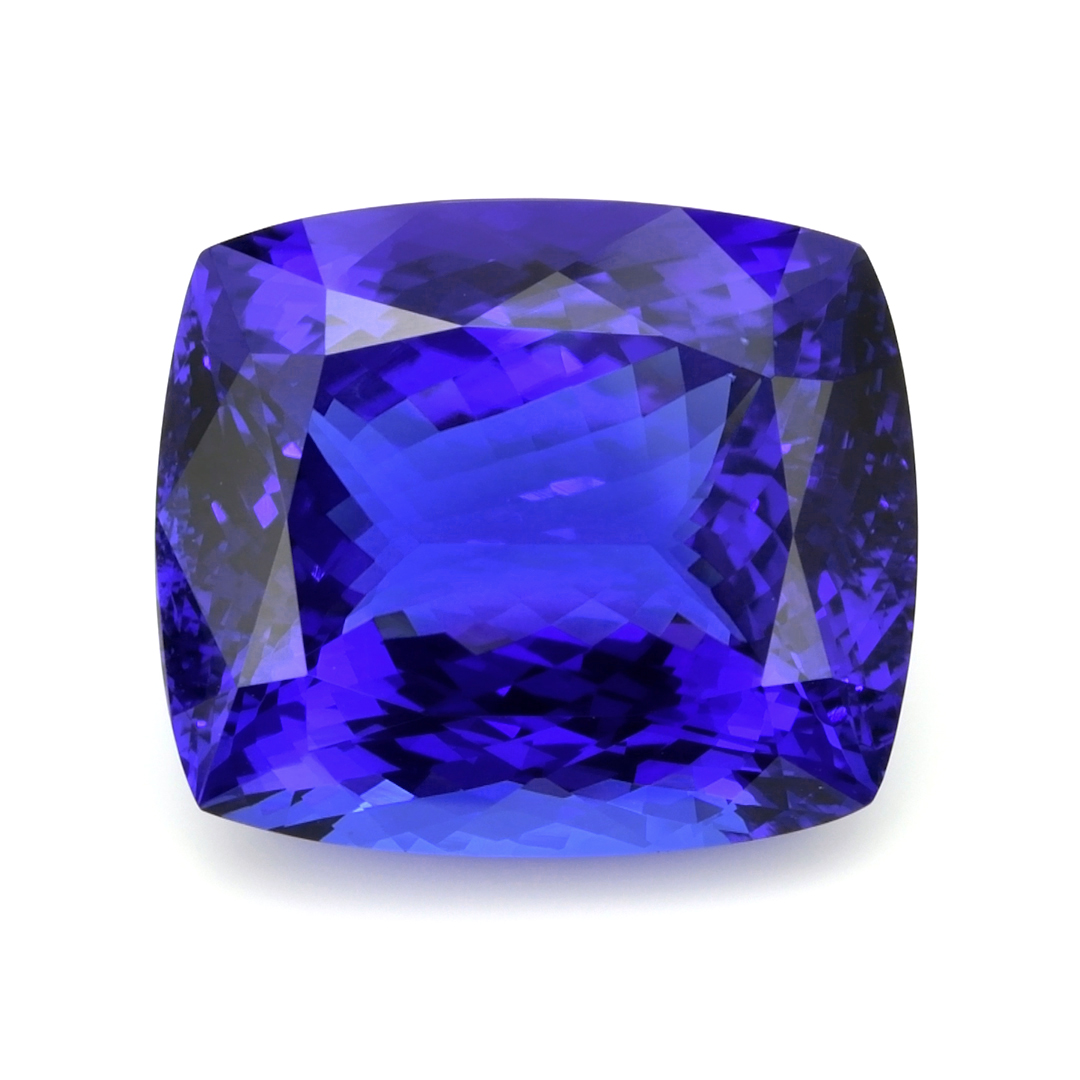
- December: the 2.46 ct Tanzanian bi-color tanzanite K11736.
We have not listed a diamond for April here.
For the stories behind some of these stones, see The Hidden Secrets of Moonstone, The Duchess of Windsor’s Amethyst Necklace and Queen Camilla’s Show-Stopping Amethyst Necklace.
Birthstones in Hand: Handheld Videos
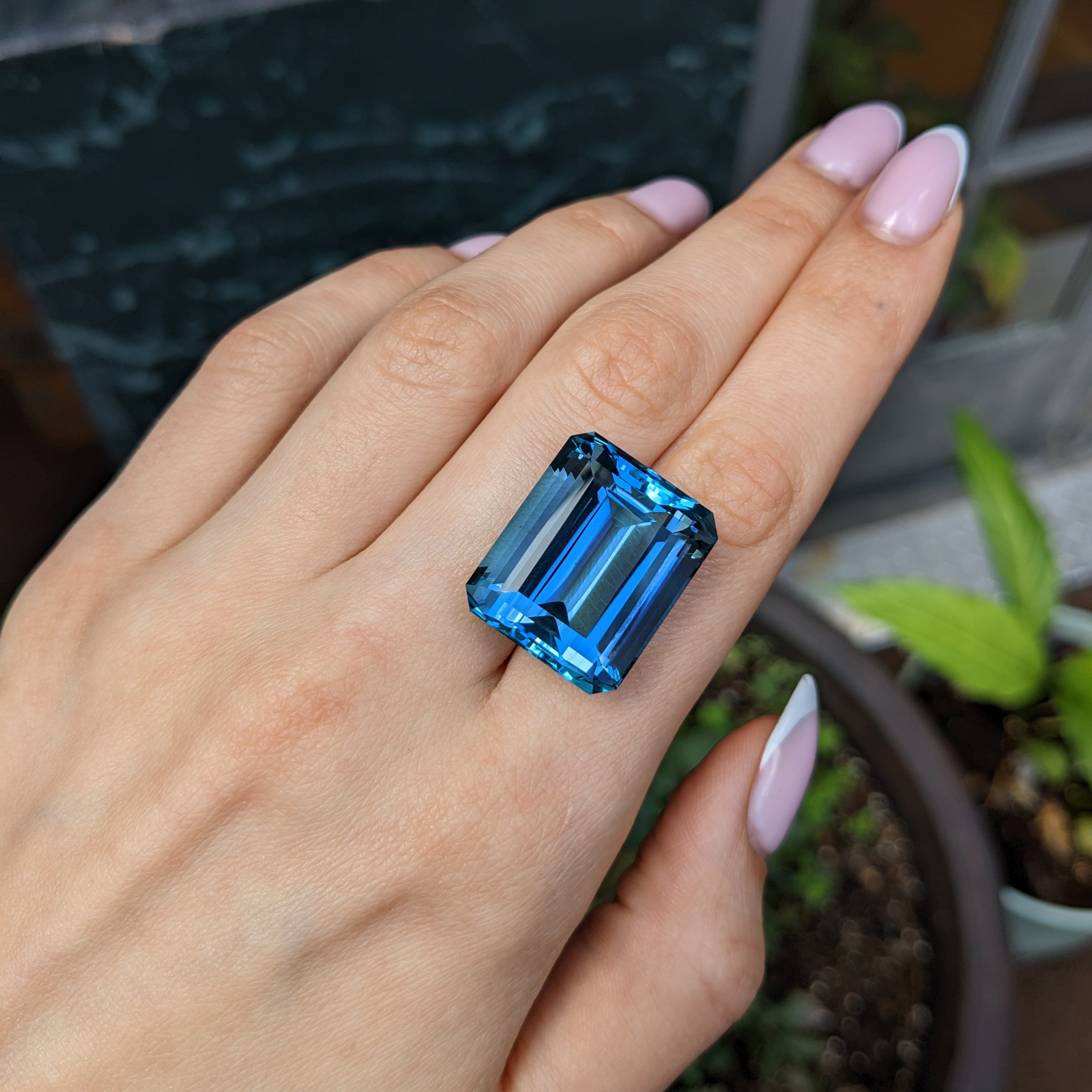
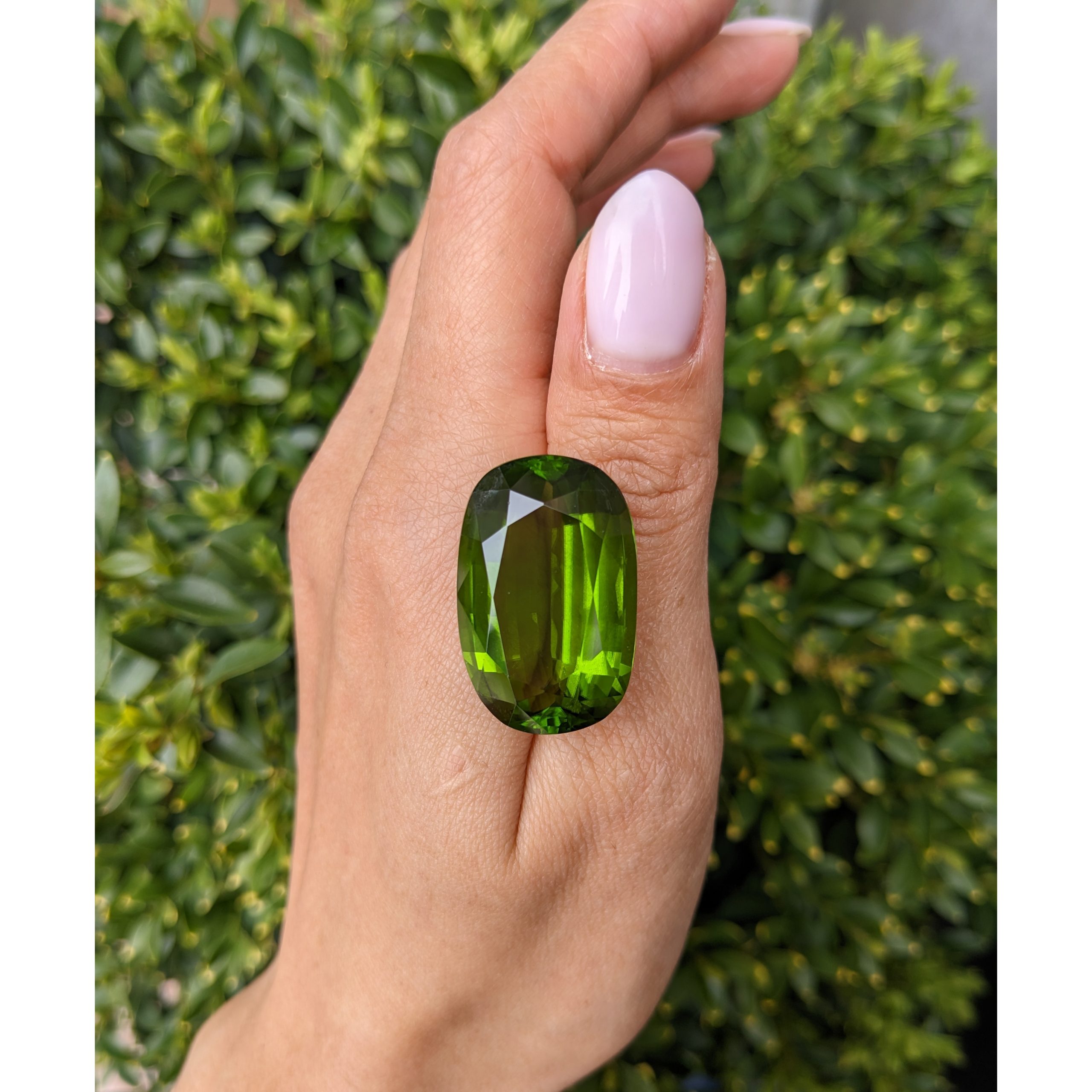
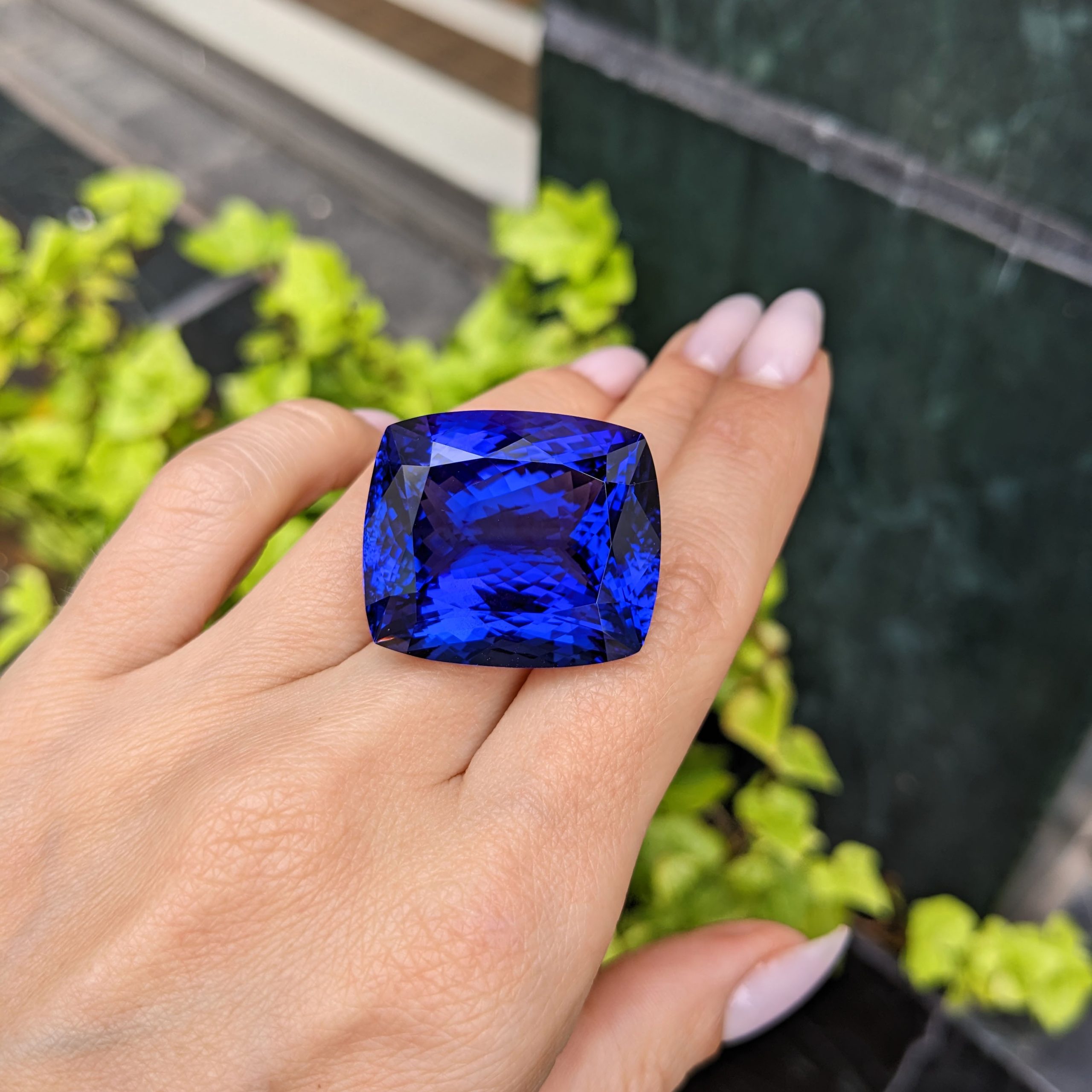
An aquamarine, a peridot and a tanzanite from our inventory, three stones that stand for March, August and December, turning in the hand.
Why Birthstones Feel So Personal
The appeal of birthstones is not about science; it is about meaning. Several familiar human tendencies help explain why these gems feel significant.
Identity and Belonging
People often enjoy markers that say something about who they are, such as names, hometowns, or traditions. A birthstone is a ready-made symbol tied to the moment someone entered the world. Wearing it can feel like wearing a small piece of personal identity.
A Sense of Story
Humans naturally find meaning in stories and symbols. Birthstones come with lore: ruby linked with passion, sapphire with wisdom, emerald with renewal. Whether or not someone takes these meanings literally, they add a narrative layer that makes a gem more than an object.
Connection to Others
Birthstones are often chosen as gifts. A mother’s ring set with her children’s birthstones, or a pendant for a partner’s birth month, connects the gem to a relationship. The stone becomes a reminder of a person, and that emotional link can make it treasured for decades.
Marking Milestones
Birthdays mark the passage of time. A birthstone gift on a significant birthday, graduation, or anniversary helps anchor that milestone in a lasting, physical form. Jewelry can become a way of remembering.
Color and Emotion
Many people find that colors evoke feelings: blues can feel calm, reds energetic, greens fresh. These associations vary between cultures and individuals, so there is no universal rule. Still, some people find that their birthstone’s color genuinely suits their personality or wardrobe, which reinforces their sense of connection. Others discover they prefer a different stone entirely, and that is perfectly fine.
When Your Birthstone Is Not Your Favorite
Not everyone loves their birthstone. Some people prefer a different color, or find that a particular gem does not suit their lifestyle. There are several options:
- Choose an alternative birthstone where lists offer more than one option.
- Explore traditional or cultural lists, which may assign different gems to your month.
- Pick a stone with personal meaning, such as a loved one’s birthstone, an anniversary stone, or simply a favorite color.
- Combine stones, pairing your birthstone with another gem you love.
Practical Considerations for Birthstone Jewelry
Birthstones vary greatly in hardness and durability, so consider how the piece will be worn. Diamond, ruby and sapphire are very hard and tough, most others suit jewelry with sensible care, and pearl, opal and turquoise are softer and benefit from protective settings. We explain how to match a setting to a gem in How Settings Change Gemstone Appearance, and how size and quality trade off in Choosing Between Gemstone Size and Quality.
Choosing a Birthstone You Will Treasure
Because a birthstone often carries emotional weight, it is worth choosing one with care. Look for color you genuinely enjoy, since that is what you will see every day. Ask for clear disclosure of any treatment, which is common for many gems, and check that the stone is natural if that matters to you. A well-cut, durable stone in a thoughtful setting is more likely to become the kind of piece that is worn often and, one day, passed on with its story intact.
Birthstones as Heirlooms
Birthstone jewelry is often passed between generations, and in the process it gains new layers of meaning. A ring that once marked a parent’s birth month may later remind a child of that parent. Some families add stones over time as new members arrive. If you hope a piece will become an heirloom, keep a simple record with it: who it was made for, the occasion, and any documentation about the stone. That small effort helps preserve the story along with the gem.
Birthstones From Our Inventory
Photographs of the aquamarine, peridot and tanzanite above, on white and on the hand. Use the links for current details.
Frequently Asked Questions
Who decided the modern birthstone list?
The modern list most widely used in the United States was standardized in 1912 by the American National Retail Jewelers Association, now Jewelers of America, and has been updated since.
Why do some months have more than one birthstone?
Alternatives have been added over time to offer different colors, price points, or durability. Different traditions also assign different stones.
Do birthstones have real powers?
Beliefs about gemstone powers are part of folklore and tradition, not established science. Many people simply value the symbolism and personal meaning.
Can I wear a birthstone that is not mine?
Absolutely. Many people wear a loved one’s birthstone, or simply choose gems they love.
Which birthstone is best for everyday wear?
Ruby (July), sapphire (September) and diamond (April) are very hard and tough, so they suit everyday rings. Softer birthstones such as opal (October) are better in protective settings; see How Settings Change Gemstone Appearance.
Conclusion
The psychology of birthstones is really about connection: to identity, to stories, to the people we love, and to the moments that matter. Whether you wear your own birthstone or choose a gem with a different meaning, the personal story it carries is what makes it special.
If you would like help choosing a birthstone gift or designing a piece that tells your story, our team at The Natural Gemstone Company is happy to help. Explore our collection at naturalgemstones.com.