
Effects of Light
The Phenomenon of Photo-sensitivity in Gemstones
Under the vast umbrella of gemological wonders, the effects of light on gemstones hold a significant place, revealing not only the sheer beauty of these natural treasures but also their delicate interaction with their environment. One such fascinating aspect is photo-sensitivity, where certain gemstones exhibit changes in color or even fade upon prolonged exposure to sunlight.
Understanding Photo-sensitivity
Photo-sensitivity is a noteworthy phenomenon often observed in the world of precious stones, referring to the response of certain gem materials to the ultraviolet (UV) rays present in daylight. Some gems can absorb energy from sunlight, leading to an alteration in their coloration or overall appearance. While this change can be a charming curiosity, it also underscores the need for protective measures to preserve a gemstone’s original allure.
The Phenomenon of Photo-sensitivity in Gemstones
Under the vast umbrella of gemological wonders, the effects of light on gemstones hold a significant place, revealing not only the sheer beauty of these natural treasures but also their delicate interaction with their environment. One such fascinating aspect is photo-sensitivity, where certain gemstones exhibit changes in color or even fade upon prolonged exposure to sunlight.
Understanding Photo-sensitivity
Photo-sensitivity is a noteworthy phenomenon often observed in the world of precious stones, referring to the response of certain gem materials to the ultraviolet (UV) rays present in daylight. Some gems can absorb energy from sunlight, leading to an alteration in their coloration or overall appearance. While this change can be a charming curiosity, it also underscores the need for protective measures to preserve a gemstone’s original allure.
Gemstones Prone to Fading or Color Change
Among the array of gems available, several are known for their susceptibility to changes when basked in sunlight for extended periods. These include, but are not limited to:
- Amethyst: The rich, violet hues of amethyst can fade under the sun, losing their intense coloration over time, which is particularly noticeable in lighter-colored specimens.
- Kunzite: Famous for its delicate pink to violet shades, kunzite is highly prone to fading, and its color intensity might diminish when subjected to prolonged sunlight exposure.
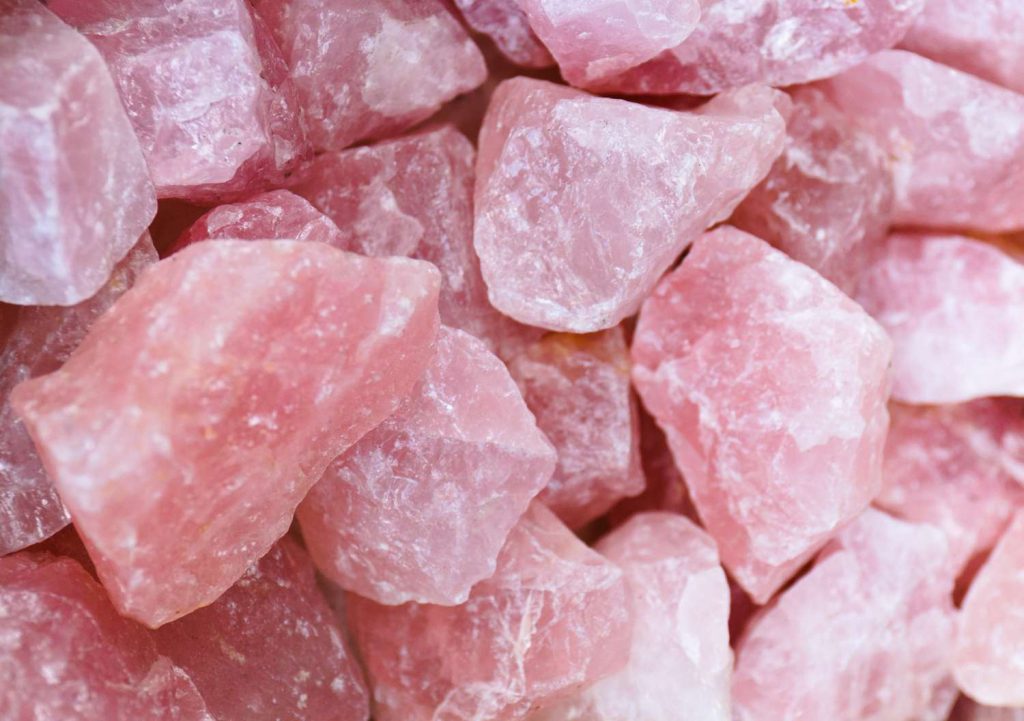
- Rose Quartz: This universally loved, pink-hued quartz variety can lose some of its color and become paler if left in direct sunlight for too long.
- Topaz: Certain types of colored topazes, especially pink and other light shades, can fade or change color upon exposure to UV light over extended periods.
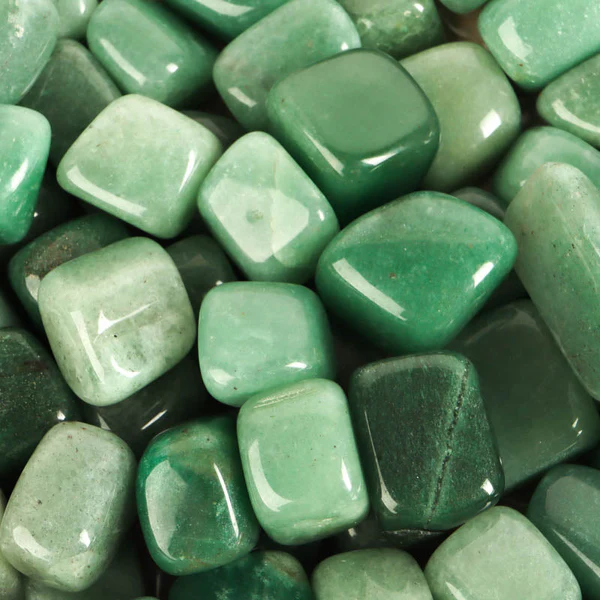
- Aventurine: Known for its shimmering iridescence, aventurine can undergo a reduction in intensity of its color with prolonged exposure to sunlight.
- Fluorite: Available in a rainbow of colors, fluorite requires protection from sunlight to prevent the fading of its vibrant hues.

Protecting Your Gemstones
Understanding photo-sensitivity is crucial for gem enthusiasts, collectors, and jewelers in maintaining the optimal beauty and value of these natural pieces of art. To preserve the vibrancy and saturation of susceptible gemstones, consider these precautions:
- Limit their exposure to direct sunlight, especially for extended periods.
- Store them in a dark, cool environment, such as a lined box, away from windows or other sources of UV light.
- Opt for protective settings or UV-resistant display cases for gems integrated into jewelry or showcased in collections.
- Regularly inspect the coloration of known photo-sensitive gemstones to catch any changes early, allowing for timely intervention.
By recognizing the delicate balance between gemstones and their environment, including the effects of light, enthusiasts and collectors can ensure these geological marvels continue to capture eyes and hearts with their unchanged, vivid beauty for generations to come. The phenomenon of photo-sensitivity, one of the key effects of light on gemstones, not only accentuates the need for informed care but also deepens our appreciation for the dynamic nature of the earth’s subterranean splendor.
Effects of Light – Fluorescence and Phosphorescence in Gemstones
In the captivating realm of gemology, light plays a pivotal role, not only revealing the innate splendor of gemstones but also influencing their character in profound ways. Beyond the brilliance and color displayed under normal light conditions, certain gemstones possess a mesmerizing secret: the ability to glow under ultraviolet (UV) light. This phenomenon, known as fluorescence and, in rarer cases, phosphorescence, significantly impacts both the appearance and value of these natural wonders.
Unveiling Fluorescence and Phosphorescence
Fluorescence in gemstones is the emission of visible light stimulated by the absorption of UV light, an invisible form of energy often found in sunlight and specific artificial light sources. When the UV light source is removed, gems demonstrating fluorescence immediately cease to glow. However, when gemstones continue to glow after the light source is removed, they exhibit a phenomenon called phosphorescence. This afterglow can last from a few seconds to several minutes, depending on the stone’s chemical makeup.
Gems that Come Alive Under UV Light
Various gemstones are known for their fluorescent and phosphorescent qualities, which can range from faint to vividly dramatic. Some notable examples include:
- Diamond: Perhaps the most well-known fluorescent gemstone, some diamonds can emit a blue glow under UV light. The presence of fluorescence can lower a diamond’s value, particularly if it’s strong enough to make the stone appear hazy in natural light.
- Ruby: Certain rubies exhibit a strong red fluorescence, which intensifies their red color under sunlight, making them exceptionally prized. This phenomenon is often so integral that it contributes to the gem’s overall value.
- Sapphire: While not as common, some sapphires can fluoresce, their most typical glow being orange or red under UV light. This characteristic doesn’t generally impact their value significantly.
- Opal: Renowned for their play-of-color, certain opals also fluoresce, often emitting a greenish glow that does not typically affect the stone’s value but contributes to its unique beauty.
Implications for Value and Appearance
Fluorescence can influence a gemstone’s color perception, and subsequently, its value. In diamonds, particularly, strong fluorescence can either be seen as a defect or a unique quality, depending on market preferences. For colored gemstones like rubies, fluorescence can enhance the color, thereby increasing the gem’s desirability.
When purchasing or evaluating fluorescent gems, enthusiasts and collectors should consider how different lighting conditions affect their appearance. For instance, a fluorescent diamond might appear differently in daylight compared to standard indoor lighting, which lacks UV rays.
Furthermore, phosphorescence, although less common, can be a fascinating feature for collectors, adding a novel aspect to the gemstone. It rarely impacts the value but can enhance interest in the piece.
Caring for Fluorescent and Phosphorescent Gemstones
While fluorescence and phosphorescence do not generally require special care, it’s important to consider these traits when storing, displaying, or using these gemstones in jewelry. Awareness of these properties is also crucial during appraisal or purchase, as they can affect how the gemstone interacts with light and, consequently, its appearance.
The phenomena of fluorescence and phosphorescence serve as compelling reminders of the dynamic interplay between light and gemstones. These hidden glows reveal mysterious, often overlooked aspects of well-known gems, inviting us to explore beyond the surface and appreciate the complex beauty nature has crystallized in these remarkable structures.