
Environmental Factors
Environmental Factors Affecting Gemstones: The Impact of Saltwater Exposure
Introduction:
When discussing environmental factors that can affect the longevity, beauty, and preservation of precious gemstones, it’s essential to consider various elements. These gems, though often robust, are also incredibly delicate concerning their reactions to the surrounding environment. One significant environmental aspect that gem enthusiasts, collectors, and even everyday wearers often overlook is the effect of saltwater on these precious stones. Understanding these impacts is particularly crucial for those who may frequently engage in activities such as swimming in the ocean, where gemstone exposure to saltwater is inevitable.
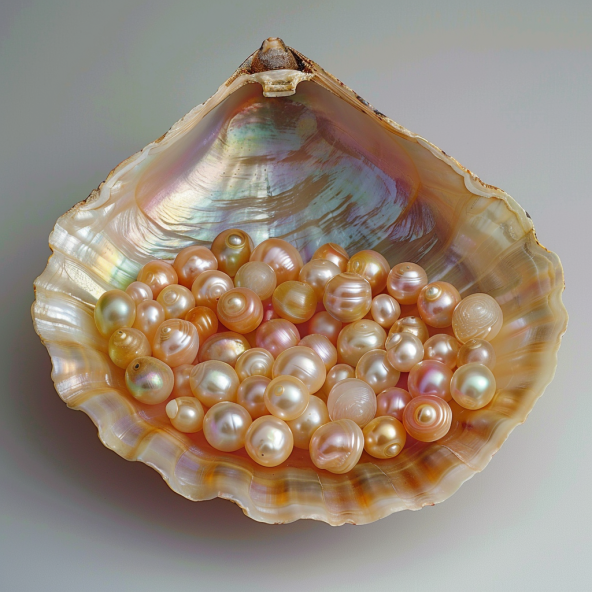
Effects of Saltwater on Different Gemstones:
Saltwater, especially from the ocean, is a complex solution of mineral salts and varied substances, often under differing environmental conditions like pH, salinity, and water hardness. These variables can significantly impact how a gemstone reacts during exposure. Below, we delve into the specifics of these interactions.
- Physical Impact: The abrasive nature of salt can affect the luster and surface of gemstones, especially softer stones on the Mohs hardness scale. Gems like opals, pearls, and turquoise are highly susceptible to scratches from saltwater exposure, leading to a loss of surface sheen and smoothness. On the other hand, harder stones like diamonds, rubies, and sapphires are more resistant to these physical effects, though prolonged exposure is not advisable.
- Chemical Reaction: Saltwater can be detrimental to stones like pearls and amber by causing a chemical reaction that might compromise the integrity of the gems. The saline solution can react with the materials in these gemstones, leading to disintegration or color changes. For instance, pearls can lose their iconic iridescence, becoming dull and lackluster.
- Metal Deterioration: Very often, the impact on the gemstone isn’t direct. Saltwater is notorious for affecting the metal settings of jewelry. It can cause corrosion, especially in silver settings, and less so in higher karat gold settings and platinum. As the metal deteriorates, the gemstones can become loose or, in extreme cases, fall out altogether.
- Sediment Deposition: Another indirect effect of saltwater is the potential deposition of sediments onto the gemstones, particularly in areas with high mineral content in local seawater. Over time, these deposits can lead to layers of material building upon the gem’s surface, affecting its optical properties and overall appearance.
Preventive Measures and Maintenance:
- Avoidance and Precaution: The first step in protecting your gemstones is prevention. If possible, avoid wearing gemstone jewelry while swimming in the ocean or saltwater pools. If swimming with gemstones cannot be avoided, it’s advisable to clean them immediately afterward.
- Regular Cleaning: Proper cleaning post-exposure is crucial. Use clean, fresh water and a soft cloth or brush to gently clean the gemstone and its setting. For more stubborn residues, mild soap with lukewarm water is advisable, ensuring the soap is thoroughly rinsed off.
- Professional Inspection: Regular check-ups with a professional jeweler are advisable to inspect the integrity of the setting and the gemstone’s condition. They can also provide a deep clean, if necessary, to restore the gem’s original brilliance.
The beauty and preservation of gemstones are contingent upon the care they receive. While they are often integral to some of our most cherished memories by the seaside, understanding and preventing potential harm from saltwater exposure is key to maintaining their luster and value. Through careful attention and committed care, your precious stones can continue to shine brightly and hold their esteemed place in your collection.
Environmental Factors Affecting Gemstones: Humidity and Moisture Concerns
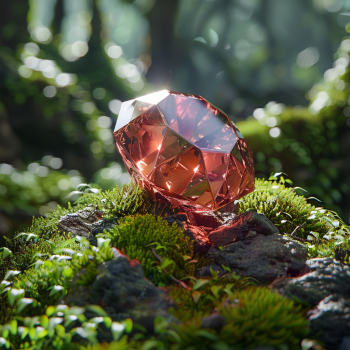
Introduction:
Within the spectrum of environmental factors that influence the condition and longevity of gemstones, humidity and moisture stand out as silent yet potent factors. These elements are often underestimated in their ability to alter and potentially damage precious gemstones. Whether these jewels are stored as part of a collection, set in jewelry, or kept as investments, understanding the implications of moisture and humidity is crucial for anyone looking to preserve their beauty and value.
Effects of Humidity and Moisture on Gemstones:
- Physical Alteration: High humidity levels can be particularly detrimental to certain gemstones, causing them to absorb water and potentially alter their physical properties. Some gems might expand, become cloudy, or lose their luster. Organic gemstones like pearls, coral, and amber are incredibly sensitive to these conditions, with the excess moisture affecting their color and structural integrity.
- Chemical Corrosion: Beyond physical changes, humidity and moisture can create an environment for chemical reactions on the surface of certain gemstones. This is particularly evident in metallic minerals or gems with metallic inclusions, leading to rust or tarnishing. For instance, pyrite, commonly known as “fool’s gold,” can oxidize and disintegrate over time in a moist environment.
- Mold and Mildew: In areas with poor ventilation and high humidity, there’s a risk of mold and mildew forming, especially on organic gemstones. These fungal growths can cause surface damage, unpleasant odors, and color alterations, often irreversibly damaging the gemstone’s aesthetic value.
- Setting Deterioration: For gemstones set in jewelry, persistent moisture can cause deterioration of the setting, particularly if it’s made of a less resistant material like silver or low-karat gold. This process can lead to gemstones coming loose or, in severe cases, falling out and getting lost.
Storage Considerations and Preventive Measures:
- Controlled Environment: Store your gemstones in a controlled environment with stable humidity levels. Investing in a good quality dehumidifier can help in maintaining the optimal atmosphere, especially in naturally humid areas. Keeping silica gel packets in the storage area can also absorb excess moisture.
- Individual Storage: To prevent gems from scratching each other and to avoid any potential chemical interactions from close proximity, store them individually. Soft pouches, jeweler’s tissue, or padded boxes can provide a safe, isolated environment for each piece.
- Regular Inspection and Cleaning: Frequently inspect your gemstones for any signs of moisture damage, such as cloudiness, surface spots, or mildew formation. Regularly cleaning the gems can help prevent the buildup of substances that may attract moisture. Use appropriate cleaning methods specific to each gemstone type, as some may require professional cleaning techniques.
- Avoid Direct Contact: When handling your gemstones, it’s advisable to wear gloves or use a soft cloth. Oils and moisture from your skin can adhere to the surface of the stones, potentially attracting more moisture from the air and leading to issues associated with high humidity.
Humidity and moisture are formidable adversaries in preserving the pristine condition of your gemstones. Recognizing the need for diligent care and appropriate storage solutions will help in mitigating potential risks associated with these environmental factors. As you cherish and seek to protect your precious gemstones, understanding and implementing these precautions will ensure they endure, sparkling through the ages.
Environmental Factors Affecting Gemstones: Understanding Abrasion and Wear
Gemstones, revered for their beauty and durability, are not impervious to the rigors of the environment and everyday activities. While these natural treasures are formed over countless years under intense pressure and heat, they can be susceptible to surface damage through abrasion and wear. This aspect of environmental impact is crucial for gem owners to understand, ensuring that these precious items are enjoyed and treasured for generations.
The Reality of Abrasion and Wear:
- Everyday Exposure: Daily activities can expose gemstones to various abrasive materials that cause wear. Common household dust contains quartz, which, with a Mohs hardness of 7, can scratch anything less hard. For gemstones worn regularly, like engagement rings or daily-wear jewelry, the risk is compounded through constant exposure to numerous substances in our environment, including harder gemstones.
- Variable Hardness: Gemstones vary significantly in hardness, which affects their resistance to scratching and abrasion. For instance, diamonds, ranking at 10 on the Mohs hardness scale, are significantly more resistant to scratching than talc at 1. Gemstones like fluorite, apatite, or even iconic ones like opal and pearl (below 7 on the Mohs scale) are easily susceptible to scratches and abrasion.
- Facet Wear: The facets on gemstones, especially those on rings, are subject to continuous wear. These polished surfaces can become dull over time as minute scratches accumulate, particularly on the facet edges. This type of wear, known as “facet junction abrasion,” results in less brilliant and lively gemstones.
- Structural Compromise: Beyond superficial scratches, abrasion can lead to chipping or even structural fracturing, particularly along natural inclusions or weak points in the crystal structure. This is especially critical for gemstones with cleavage planes, like diamonds, where a well-placed knock or continued abrasion can cause a piece to cleave off.
Proactive Care and Preventive Measures:
- Conscious Wear: Being mindful of your gemstone’s exposure is the first step toward its protection. Try to avoid wearing gemstone jewelry during activities that expose it to abrasion, like gardening, sports, or even household chores involving harsh chemicals.
- Appropriate Storage: When not in use, store your gemstones in a soft, lined case. Each piece should be stored separately to prevent harder stones from scratching softer ones. Cloth pouches or separate compartments in a jewelry box can help avoid contact and abrasion.
- Regular Cleaning and Inspection: Dirt and other residues can increase the risk of abrasion by acting as an abrasive or by concealing existing damage. Regular cleaning can help mitigate this risk, and routine inspections—either at home or by a professional—can catch any damage early before it worsens.
- Protective Settings: For those who prefer to wear their gemstones regularly, considering protective jewelry settings like bezel settings can shield edges and reduce the risk of chipping and abrasion. Such precautions are especially valuable for gemstones with significant sentimental or financial value.
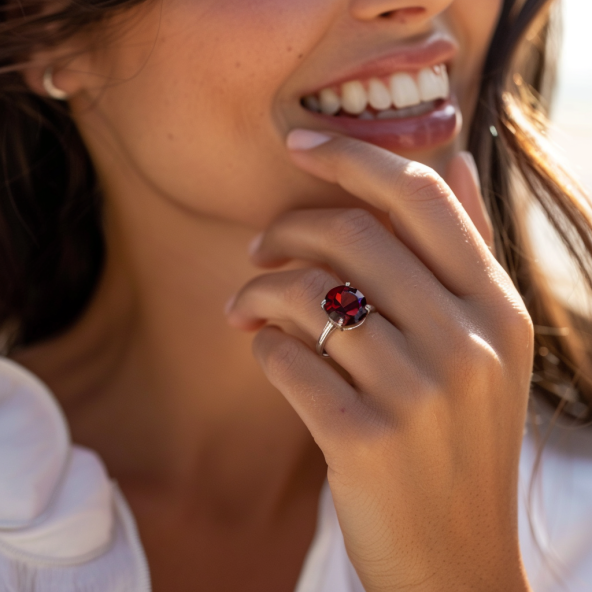
The environmental factors of abrasion and wear are ever-present, but understanding and mitigating these risks allows for the enjoyment of your gemstones without the cost of deterioration.
By adopting conscientious practices in both wearing and caring for your gemstones, their captivating brilliance and sentimental legacy can gracefully endure the test of time.