
FAQs on Rhodolite Garnet Treatments
Rhodolite Garnet is a gemstone that captivates with its natural beauty and vibrant hues. While this gemstone is often left untreated, there are still some common questions buyers may have regarding the potential treatments and enhancements that can be applied. In this blog, we will address some of the most frequently asked questions in our FAQs on Rhodolite Garnet Treatments to help you make an informed decision when purchasing this stunning gemstone.
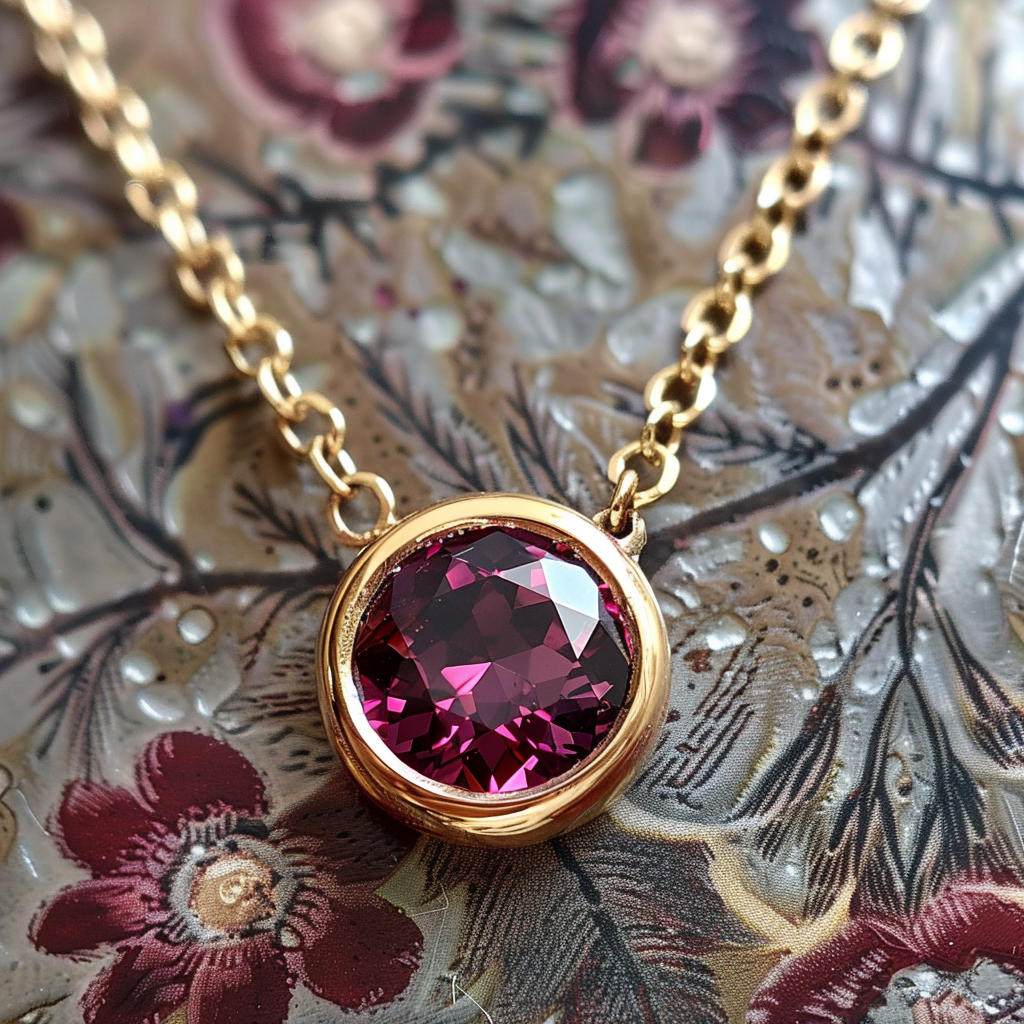
1. Are Rhodolite Garnets commonly treated?
One of the most common FAQs on Rhodolite Garnet treatments is whether these gemstones are typically treated. The good news is that Rhodolite Garnet is rarely treated because it naturally exhibits excellent color and clarity. Most Rhodolite Garnets are sold in their untreated state, which is one of the reasons they are highly valued by collectors and jewelry enthusiasts.
2. What treatments might be applied to Rhodolite Garnet?
While treatments are uncommon, there are a few that could potentially be applied to Rhodolite Garnet. These include heat treatment to enhance color, fracture filling to improve clarity, and coating to enhance surface appearance. However, these treatments are rarely used on Rhodolite Garnet, and when they are, it’s essential for sellers to disclose this information.
K911| play | medium| middle| “0.88 Ct. Rhodolite Garnet from Tanzania”
3. Does heat treatment affect the value of Rhodolite Garnet?
Heat treatment is a common question in the FAQs on Rhodolite Garnet treatments. Although heat treatment can enhance the color of some gemstones, it is not commonly applied to Rhodolite Garnet. When it is used, it may have a minor impact on the gemstone’s value, depending on the extent of the enhancement and the overall quality of the stone. Generally, untreated stones are more highly prized.
4. Is fracture filling a concern for Rhodolite Garnet?
Fracture filling is another treatment that is often addressed in the FAQs on Rhodolite Garnet treatments. This technique involves filling surface-reaching fractures with a clear substance to improve clarity. While fracture filling is not common in Rhodolite Garnet, it can occur in stones with significant inclusions. Buyers should be aware that fracture-filled stones may require special care to maintain their appearance.
5. How can I tell if a Rhodolite Garnet has been treated?
One of the most important FAQs on Rhodolite Garnet treatments is how to identify if a gemstone has been treated. The best way to determine whether a Rhodolite Garnet has undergone any treatment is by requesting a certificate from a reputable gemological laboratory. This certification will provide detailed information about any treatments or enhancements the gemstone may have received.
K6053| play | medium| middle| “9.87 Ct. Rhodolite Garnet from Ceylon”
6. Are treated Rhodolite Garnets less durable?
Treated Rhodolite Garnets, particularly those that have undergone fracture filling or coating, may be slightly less durable than untreated stones. This is because the filling material or coating can be more susceptible to damage. It’s important to handle these stones with care and avoid exposing them to harsh chemicals or extreme temperatures.
7. Should I avoid treated Rhodolite Garnets?
Whether or not to avoid treated Rhodolite Garnets is a common concern in the FAQs on Rhodolite Garnet treatments. The decision ultimately depends on your personal preference. Some buyers prefer untreated stones for their natural beauty and value, while others may be open to treated stones if the enhancements improve the gemstone’s appearance and are disclosed by the seller.
8. What are the benefits of buying an untreated Rhodolite Garnet?
Untreated Rhodolite Garnets are often more valuable because they showcase the gemstone’s natural beauty without any artificial enhancements. For many collectors, the appeal of an untreated gemstone lies in its authenticity and the fact that it has not been altered. This is why untreated Rhodolite Garnets are particularly prized in the gemstone market.
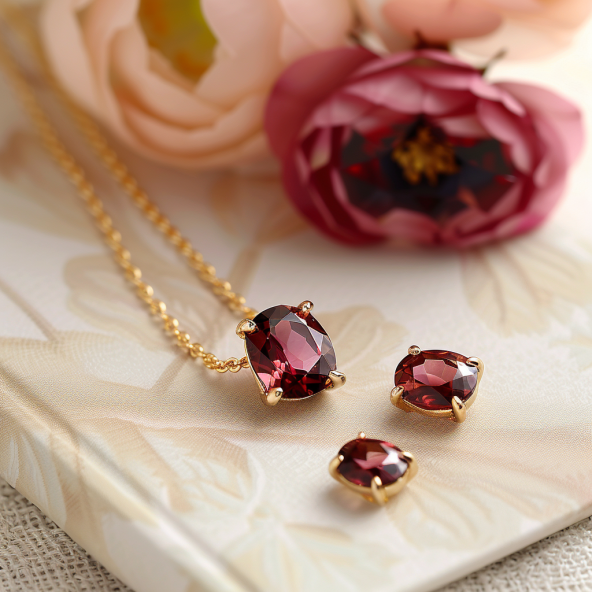
9. How do I care for a treated Rhodolite Garnet?
If you purchase a treated Rhodolite Garnet, especially one that has been fracture-filled or coated, it’s important to take extra care of the gemstone. Avoid exposure to harsh chemicals, ultrasonic cleaners, and extreme temperatures, as these can damage the treatment. Clean the gemstone gently with warm soapy water and a soft brush to maintain its beauty.
10. Is there a significant price difference between treated and untreated Rhodolite Garnets?
The price difference between treated and untreated Rhodolite Garnets is a common topic in the FAQs on Rhodolite Garnet treatments. Untreated stones generally command higher prices due to their natural, unaltered state. Treated stones may be more affordable, but the type and quality of the treatment can also influence the price.
Conclusion
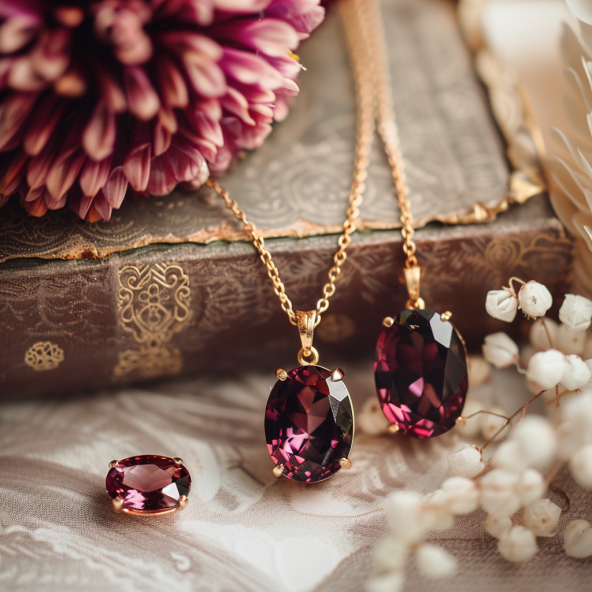
Understanding the FAQs on Rhodolite Garnet treatments is essential for anyone looking to purchase this beautiful gemstone. While treatments are rare, knowing what to look for and how treatments can affect value and care will help you make a more informed decision. Whether you prefer natural stones or are open to treated gems, this knowledge ensures that you can choose a Rhodolite Garnet that meets your needs and expectations.
Discover the fascinating techniques behind Rhodolite Garnet Treatments and Enhancements that elevate its natural beauty.