
Interesting Facts about Rutilated Quartz
Interesting Facts about Rutilated Quartz
Rutilated quartz is more than just a visually captivating gemstone. Known for its unique inclusions of rutile, this gemstone holds a fascinating history, a wide range of uses, and an undeniable charm that appeals to gem enthusiasts and collectors alike. Below, we delve into some of the most interesting facts about rutilated quartz, showcasing why it stands out among other gemstones.
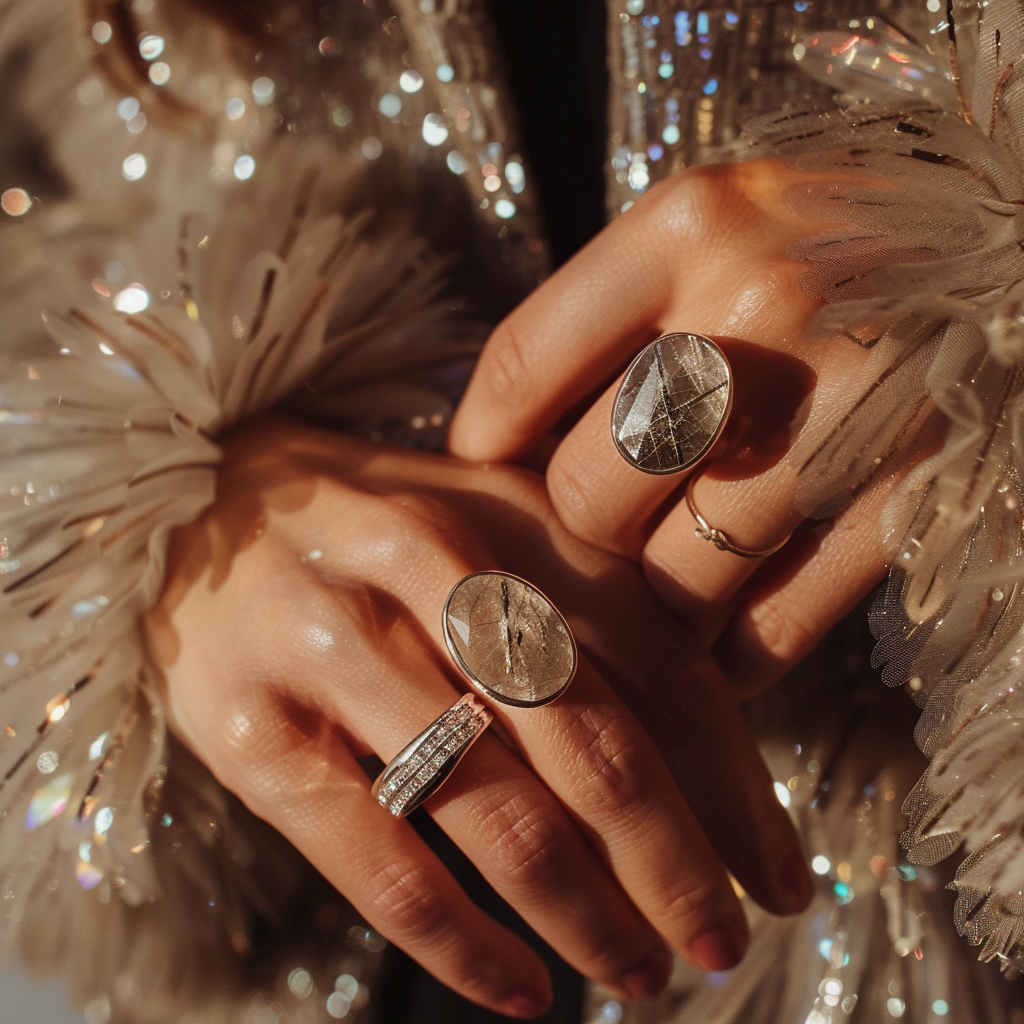
1. A Natural Work of Art
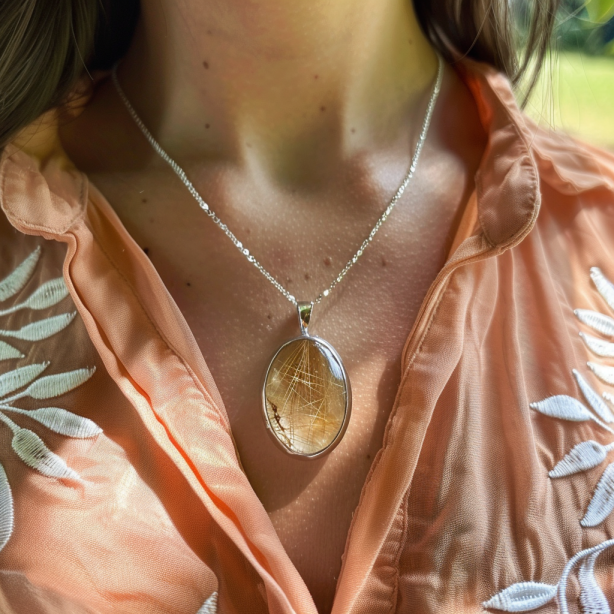
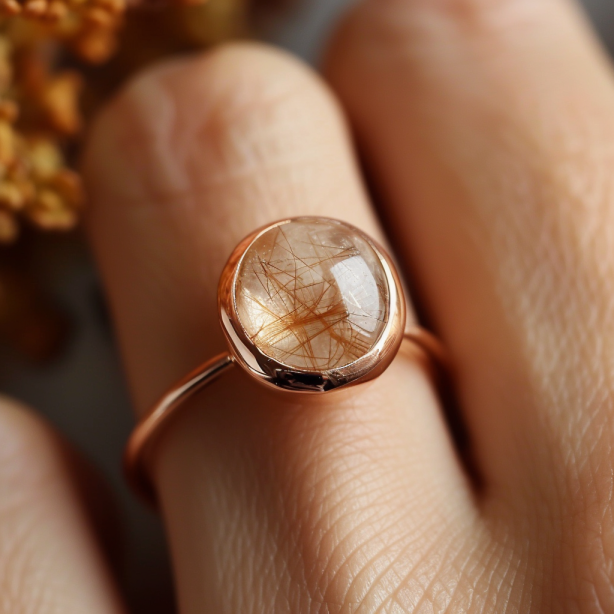
Rutilated quartz is often referred to as a “natural work of art” due to its needle-like rutile inclusions. These inclusions form in an array of patterns, from delicate threads to bold, intersecting lines. Each stone is entirely unique, making it a favorite for collectors and designers who value individuality in gemstones.
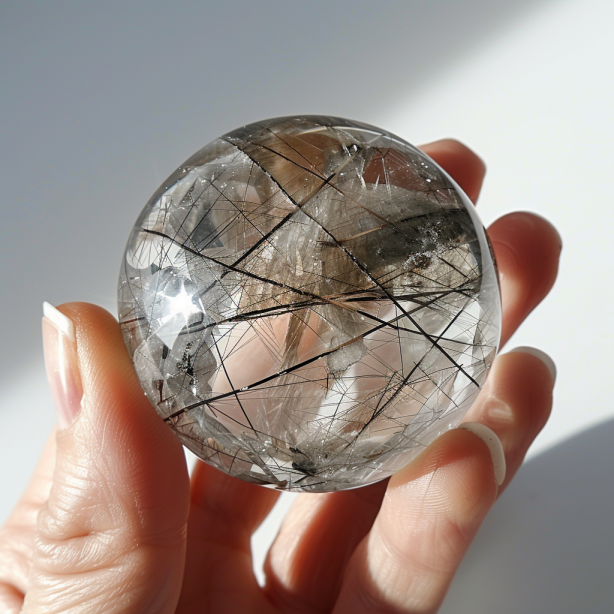
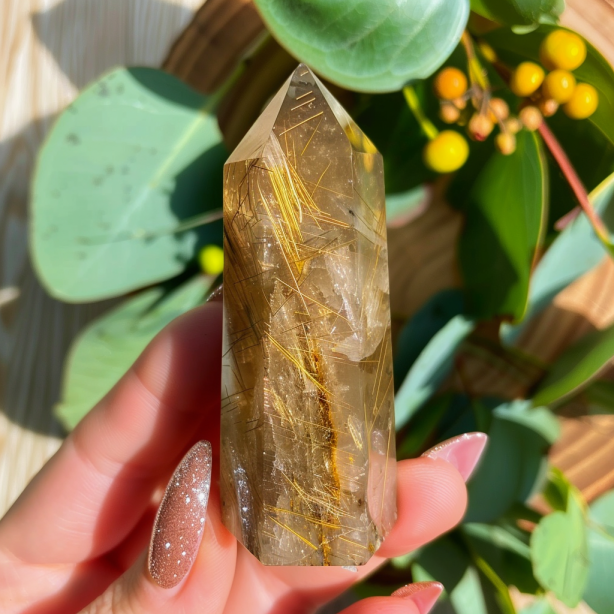
2. Golden “Venus Hair”
Golden rutilated quartz is sometimes called “Venus hair stone” because its fine, golden rutile inclusions resemble strands of golden hair. Ancient legends associate these golden threads with divine connections, believing the stone to be a gift from the gods.
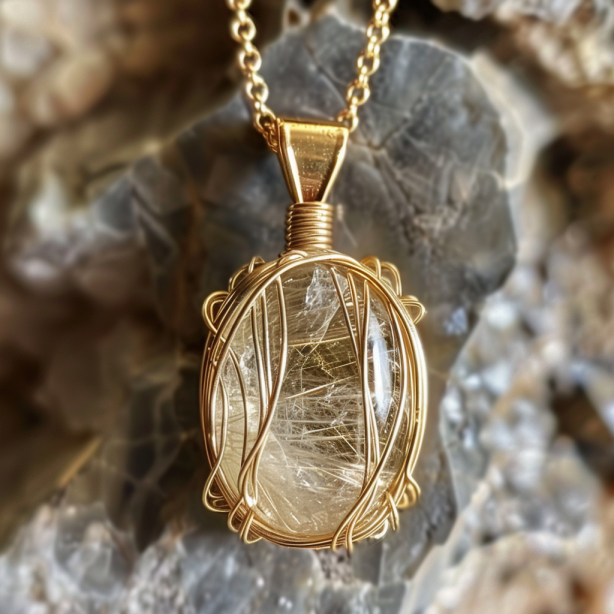
3. A Gemstone with Global Origins
Rutilated quartz is found in various parts of the world, with notable sources in Brazil, Madagascar, and India. Each region produces stones with distinct characteristics. For instance, Brazilian rutilated quartz often features vibrant golden or coppery inclusions, while Madagascar is known for producing stones with bold, dramatic patterns.
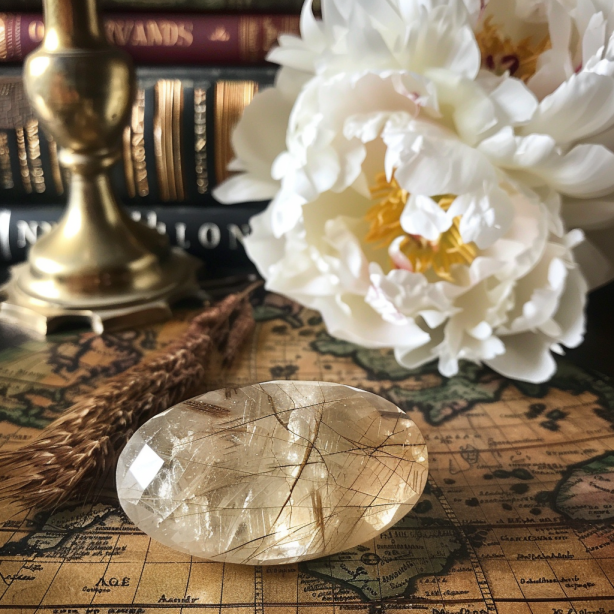
4. Metaphysical Powerhouse
In metaphysical circles, rutilated quartz is considered a powerful amplifier of energy. It is believed to promote spiritual growth, enhance intuition, and aid in manifesting intentions. Many use it as a meditation tool or a talisman to attract positivity and clarity in life.
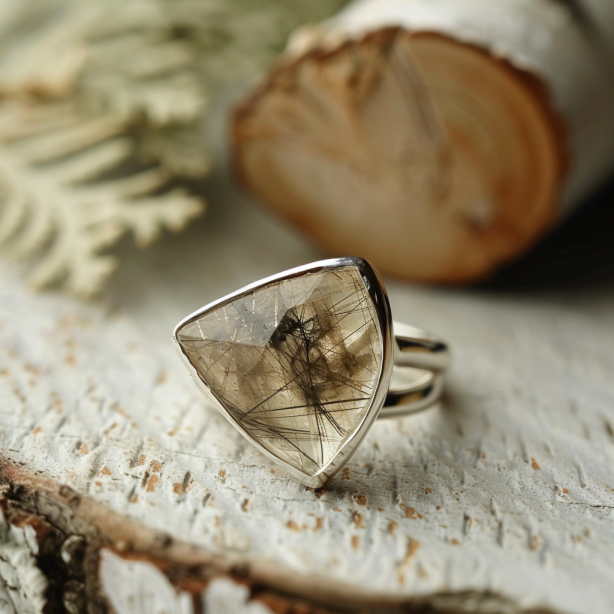
5. A Favorite for Custom Jewelry
The unique inclusions of rutilated quartz make it an ideal choice for custom jewelry. Designers often create bespoke pieces that highlight the stone’s natural patterns. Whether set in rings, pendants, or earrings, rutilated quartz adds a touch of individuality and elegance to any piece.
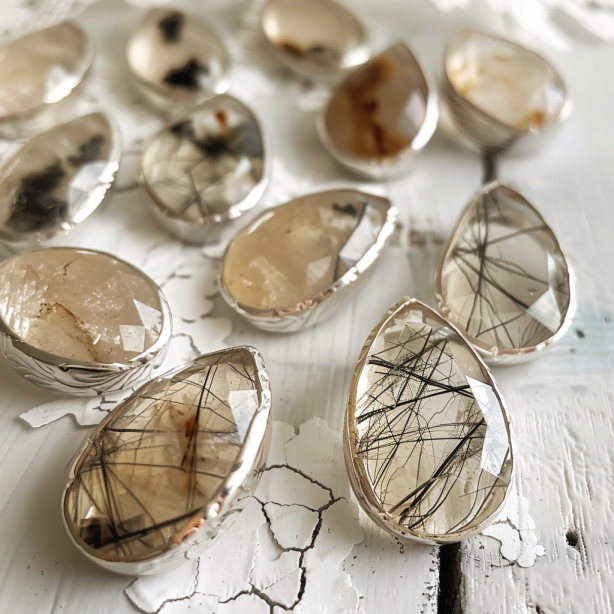
6. Inclusions as a Mark of Authenticity
Unlike most gemstones where clarity is paramount, the inclusions in rutilated quartz are not considered flaws but features. They are a testament to the stone’s natural formation. Each inclusion is unique, providing an easy way to identify genuine rutilated quartz.
7. A Historical Symbol of Wealth and Power
In ancient times, rutilated quartz was often associated with wealth and power. Royalty and nobility valued it for its striking appearance and believed it brought good fortune. It was also used in rituals and ceremonies as a symbol of divine protection.
8. A Variety of Colors
Rutile inclusions in quartz can appear in various colors, including golden, coppery, black, red, and even silver. Each color offers a different aesthetic, with golden and coppery hues being the most sought after. This variety adds to the gemstone’s versatility and appeal.
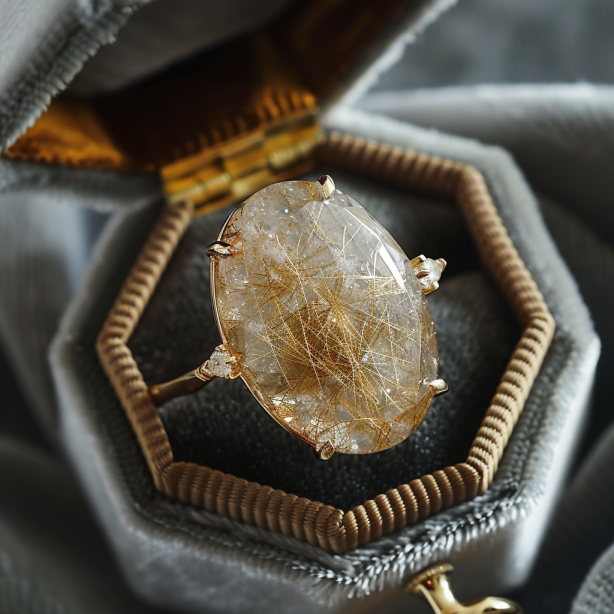
9. Durability and Versatility
With a Mohs hardness of 6 to 7, rutilated quartz is durable enough for everyday wear yet versatile for various jewelry applications. Its unique patterns allow it to fit seamlessly into both contemporary and vintage-inspired designs.
10. A Stone of Positivity and Creativity
Rutilated quartz is often called the “illuminator” for its ability to bring positivity and creativity to its wearer. Many believe that the stone encourages clarity of thought and helps overcome feelings of doubt or fear. This makes it a popular choice for artists, writers, and those seeking inspiration.
Conclusion
Rutilated quartz is more than a gemstone; it’s a treasure of nature with artistic inclusions, a rich history, and significant metaphysical properties. Whether you’re drawn to its aesthetic appeal, intrigued by its historical significance, or inspired by its energy, rutilated quartz offers something for everyone. Its unique blend of beauty, rarity, and versatility ensures its place as a beloved gemstone in the world of jewelry and beyond.
Discover how much this stunning gemstone is worth with our comprehensive Pricing Chart of Rutilated Quartz.