
Reactions to Cleaning Processes
Reactions to Cleaning Processes: Navigating the Do’s and Don’ts of Ultrasonic Cleaning for Gemstones
Under the umbrella of our main topic “Reactions to Cleaning Processes,” we delve into the intricacies of one of the most advanced cleaning methods used for jewelry today – ultrasonic cleaning. While ultrasonic cleaning is revered for its ability to rid gemstones and jewelry settings of stubborn dirt and grime, it is not a one-size-fits-all solution. Certain gemstones respond well to these high-frequency sound waves, while others are vulnerable to damage. It’s crucial for jewelers and gem enthusiasts to understand which gems are safe and which are at risk during ultrasonic cleaning.
Ultrasonic Cleaning: A Closer Look
Ultrasonic cleaners generate high-frequency sound waves via ultrasonic energy, producing microscopic bubbles in a specialized cleaning solution. These bubbles agitate the solution, creating a process known as cavitation, which safely dislodges foreign particles on items submerged in the liquid. Though efficient, this process can sometimes be too vigorous for certain gemstones, leading to internal strain, cracking, or other damage.
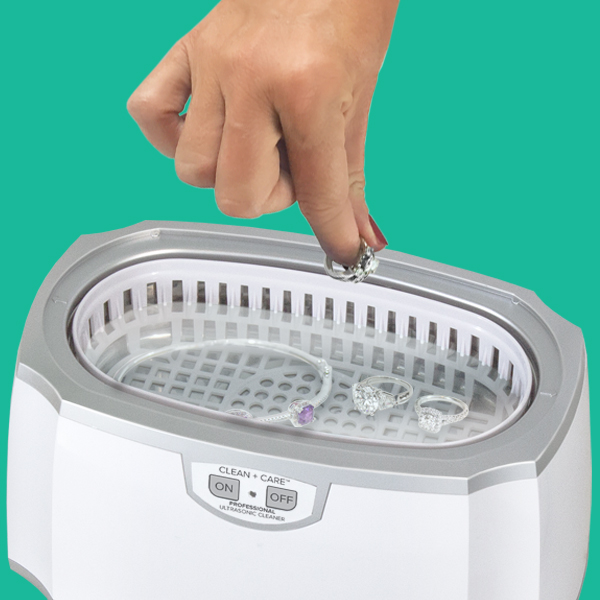
Gems Safe for Ultrasonic Cleaning:
- Diamonds: Renowned for their hardness, diamonds generally withstand ultrasonic cleaning. However, if a diamond has significant internal flaws (inclusions), there’s a risk even here.
- Ruby and Sapphire: These gems, members of the corundum family, are usually safe in the ultrasonic cleaner due to their hardness, unless they have been fracture-filled.
- Amethyst: Typically, this type of quartz responds well to ultrasonic methods, though the quality and any treatments should be considered beforehand.
Gems at Risk During Ultrasonic Cleaning:
- Emeralds: Traditionally oiled to enhance clarity, emeralds are notoriously risky for ultrasonic cleaning, which can remove the oil, creating a ‘frosty’ appearance and potentially exposing cracks.
- Opals: Known for their water content, opals are vulnerable to temperature changes and vibration, making ultrasonic cleaning a hazard that can result in cracking or crazing.
- Pearls: Whether natural or cultured, pearls’ delicate nature makes them highly susceptible to damage from the vibrations and heat generated during ultrasonic cleaning.
- Tanzanite, Peridot, Turquoise, and other soft or treated stones: These gems either have a lower hardness, internal cleavage planes, or enhanced treatments that make them particularly vulnerable to ultrasonic methods.
Proceed with Caution:
While ultrasonic cleaning is advantageous for its thoroughness and ability to clean intricate jewelry settings, caution is paramount. Always consult a professional gemologist or jeweler before deciding on the best cleaning method for your precious pieces. Understanding each gemstone’s properties and vulnerabilities is crucial in preserving their beauty and integrity. Whether you’re a jewelry enthusiast or professional, staying informed about these reactions to cleaning processes ensures the longevity and sparkle of your cherished collection.
K1616|Play|middle
Reactions to Cleaning Processes: Steam Cleaning Gemstones – A Delicate Balance of Efficacy and Caution
In our comprehensive guide on “Reactions to Cleaning Processes,” we turn our attention to another widely used technique in jewelry upkeep: steam cleaning. Utilizing the power of vaporized water to eradicate residual oils, accumulated dirt, and contaminants, steam cleaning presents a compelling solution for restoring the original luster of various gemstones and jewelry pieces. However, this method, like others, is not universally applicable. Certain gemstones embrace the purification that steam cleaning offers, while others might succumb to irreparable harm due to their intrinsic properties and susceptibilities.
Understanding Steam Cleaning:
Steam cleaners operate by heating water to an extremely high temperature, producing a directed stream of steam. The force and heat of this steam dislodge grime and sanitize the item in question. Despite its effectiveness in certain applications, the intense heat and moisture can be detrimental to some gemstones, causing thermal shock or other damage.

Ideal Candidates for Steam Cleaning:
- Diamonds: The robust nature of diamonds permits the use of steam cleaning, often leading to sparkling results. This method effectively removes oils and dirt, particularly from hard-to-reach areas.
- Sapphires and Rubies: As members of the corundum family, these gemstones’ inherent hardness and resistance to heat make them suitable for steam cleaning, barring any fracture-filling treatments.
- Metals and Setting: Beyond gemstones, steam cleaning is highly effective for the metal parts of jewelry, aiding in restoring the shine and removing tarnish, especially in intricate settings.
Gemstones Vulnerable to Steam Cleaning:
- Emerald: The presence of oils and fillers used to enhance emeralds’ clarity and appearance are susceptible to deterioration under steam cleaning, potentially leading to a dull and lackluster surface.
- Opal: Given their non-crystalline structure and water content, opals are prone to cracking or crazing due to rapid temperature changes experienced during steam cleaning.
- Pearls: The organic composition of pearls makes them extremely sensitive to any form of cleaning involving heat or chemicals, and steam cleaning is no exception.
- Gems with significant inclusions or existing fractures: Stones such as tanzanite, peridot, and others with internal weaknesses can suffer from thermal shock, potentially worsening these flaws or creating new ones.
Exercising Prudence:
The decision to use steam cleaning should be made with an understanding of the gemstone’s individual characteristics and treatment history. If uncertain, consulting with a certified gemologist or a professional jeweler is a prudent way to prevent potential damage. They can provide insights into safer alternatives like gentle soap solutions or professional cleaning services tailored to your gemstone’s needs. In our continued commitment to ensuring the brilliance and longevity of your treasured gemstones, recognizing the appropriate reactions to cleaning processes is paramount. By navigating these methods with knowledge and care, your gemstones will continue to captivate and enchant for generations to come.
Reactions to Cleaning Processes: Navigating the World of Chemical Cleaning Agents for Gemstones
In our ongoing exploration of “Reactions to Cleaning Processes,” we now investigate the domain of chemical cleaning agents, a realm that requires considerable caution and understanding. Chemical agents, while powerful in battling dirt, oils, and tarnish, can also be surprisingly treacherous when used on certain gemstones. The reactions between various chemicals and the mineral compositions of these natural wonders can range from benign to devastating. Here, we provide insights into safe practices and suitable agents for cleaning your precious gemstones, ensuring they remain as dazzling as the day they were crafted.
Understanding Chemical Cleaning:
Chemical cleaning involves using solvents, acids, bases, or other solutions to restore the beauty of gemstones and jewelry. The process can vary from simple immersion in a solution to more complex methods involving chemical reactions to eliminate specific residues. However, each gemstone is unique in its chemical makeup and structural integrity, influencing its interaction with different chemical agents.
Safe Practices in Chemical Cleaning:
- Know Your Gemstone: Understanding your gemstone’s properties, including hardness, porosity, and any treatments it has undergone, is fundamental. For instance, diamonds, rubies, and sapphires, known for their hardness, usually withstand chemical cleaning agents well. In contrast, gemstones like pearls, amber, or turquoise are porous or organic and could become discolored or damaged when exposed to harsh chemicals.
- Use Mild Detergents for General Cleaning: For routine cleaning, a mild solution of warm water and dish soap, with a soft-bristled brush, is often sufficient for many gemstones and jewelry pieces. This gentle approach is less likely to cause damage while being effective for removing oils and everyday dirt.
- Avoiding Harsh Chemicals: Strong acids or alkalis and abrasive substances should generally be avoided. Chlorine, bleach, and acetone can be particularly harmful, causing discoloration, surface damage, or even structural compromise to certain gemstones.
- Special Care for Treated Stones: Gems that have undergone treatments such as heat treatment, dyeing, or fracture filling may react unpredictably to chemicals. For these, it is always best to consult a professional before any cleaning attempt.
- Professional Advice and Assistance: When in doubt, seeking the guidance of a certified gemologist or professional jeweler is the safest course of action. They can provide information tailored to your specific gemstone or jewelry piece and often have the right facilities for safe and thorough cleaning.
Please visit the link to learn more about Your Stones!
K3528|Play|Middle
Emphasizing Caution and Safety:
The world of gemstones is as diverse as it is enchanting. While chemical cleaning agents offer a path to restoring brilliance, they also pose risks that can be as permanent as they are immediate. As stewards of these earthly treasures, we must respect each gemstone’s unique characteristics, ensuring our cleaning efforts result in rejuvenation rather than ruin.
In this journey through “Reactions to Cleaning Processes,” safe and informed practices are our most trusted allies. By committing to understand the delicate balance required in the use of chemical cleaning agents, we safeguard the legacy of both natural beauty and human craftsmanship for the delight of generations to come.